A wave of transformation is sweeping through the Tana River agricultural sector, thanks to the combined efforts of the World Food Programme (WFP) and its partners.
Through innovative approaches and hands-on support, WFP is equipping farmers and pastoralists with modern agricultural skills that are yielding measurable results in food production, business growth, and community development.
From training on bookkeeping and business plan development to promoting value addition, organising benchmarking visits, and providing critical financial linkages, the initiatives have brought a significant paradigm shift in the way agriculture is practiced in Tana River County.
“This effort by WFP has really helped us. We now have a steady market for our orange-fleshed sweet potatoes. We deliver them directly to schools, and that has made a big difference for us,” said John Macharia, a farmer from Bura.
The orange-fleshed sweet potato project, introduced by WFP last year, has become a game-changer in the community. One of its notable successes is seen in the education sector. Local schools like Kalkacha Integrated School in Galole Sub-County have witnessed a surge in student enrollment.
“In fact, our enrollment for this year has greatly increased, and our children don’t fall sick as often,” affirmed the school’s head teacher Florence Galana, attributing the improvement to better nutrition provided by the sweet potatoes.
Beyond improving health and education, the project has been instrumental in addressing unemployment among youth and women. The skills acquired through the agricultural training have empowered many to expand their farms and venture into agribusiness.
“Due to this agricultural training, I took a bold step and increased my farmland. I got good yields and was able to clear my university fees and finally receive my certificates. Thanks to WFP and the county government, I now see a future in farming,” said Shadrack Bonaya, a young farmer.
Women, too, are benefitting. Small-scale female farmers in villages such as Makere, Bura, Wayu, and Ngao have shared testimonies of how the program has improved their livelihoods.
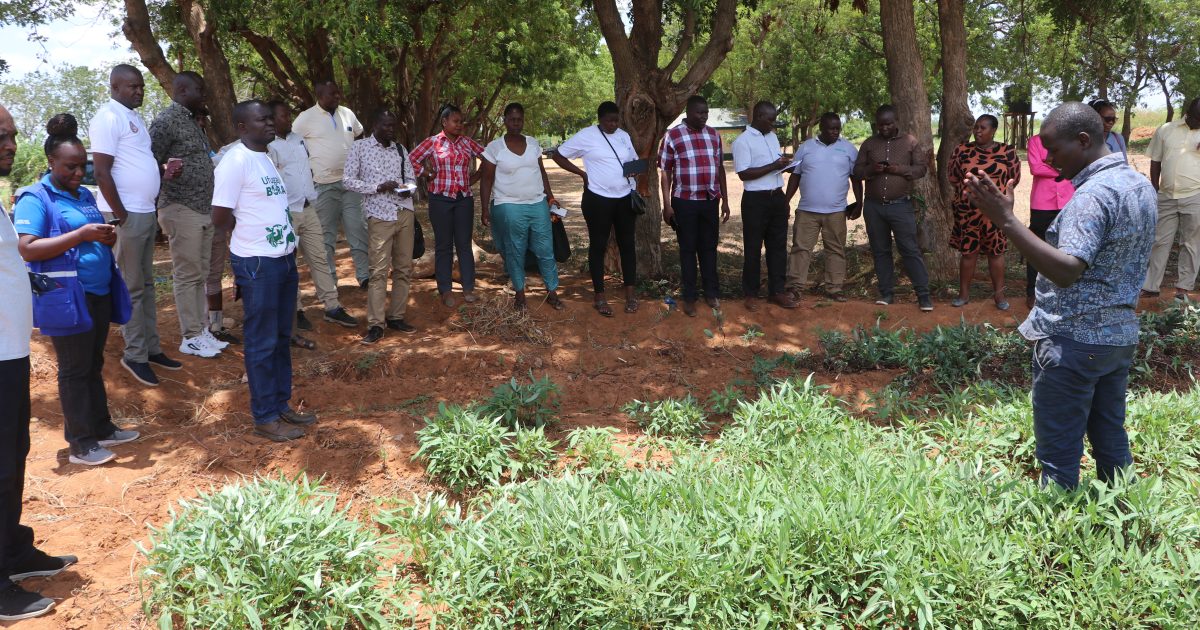
“We started with four farmers doing the orange-fleshed sweet potatoes; now we have over 100 farmers. The project is not only about growing food. It’s about building resilience in communities and reducing hunger in a sustainable way,” explained Phillip Looniyo, WFP Project Officer, during a visit to the project areas.
By Sadik Hassan