The Intergovernmental Authority on Development (IGAD), through its Land Governance Unit, has convened a Regional Dialogue with Women Parliamentarians on Gender, Land and Climate Resilience.
The dialogue which is aimed at promoting inclusive policy dialogue and regional collaboration to accelerate secure land rights and gender-responsive climate action brought together women parliamentarians, duty bearers, policymakers, technical experts, and development partners from IGAD Member States to deliberate on the critical intersections between gender equality, land governance, and climate resilience.
Further, the Regional Dialogue, which is the culmination of a series of six national dialogue meetings conducted across Djibouti, Ethiopia, Kenya, Somalia, South Sudan, and Uganda, aimed to strengthen the capacity of women parliamentarians to effectively champion gender issues within their legislative and oversight roles, particularly in the context of land governance and climate resilience.
These national-level consultations brought together women parliamentary leaders, including members of key parliamentary committees on land, natural resources, climate change, and agriculture, as well as representatives from Women Parliamentarians’ Associations and national land institutions.
Through these engagements, participants identified priority policy issues, highlighted persistent challenges, and proposed actionable points.
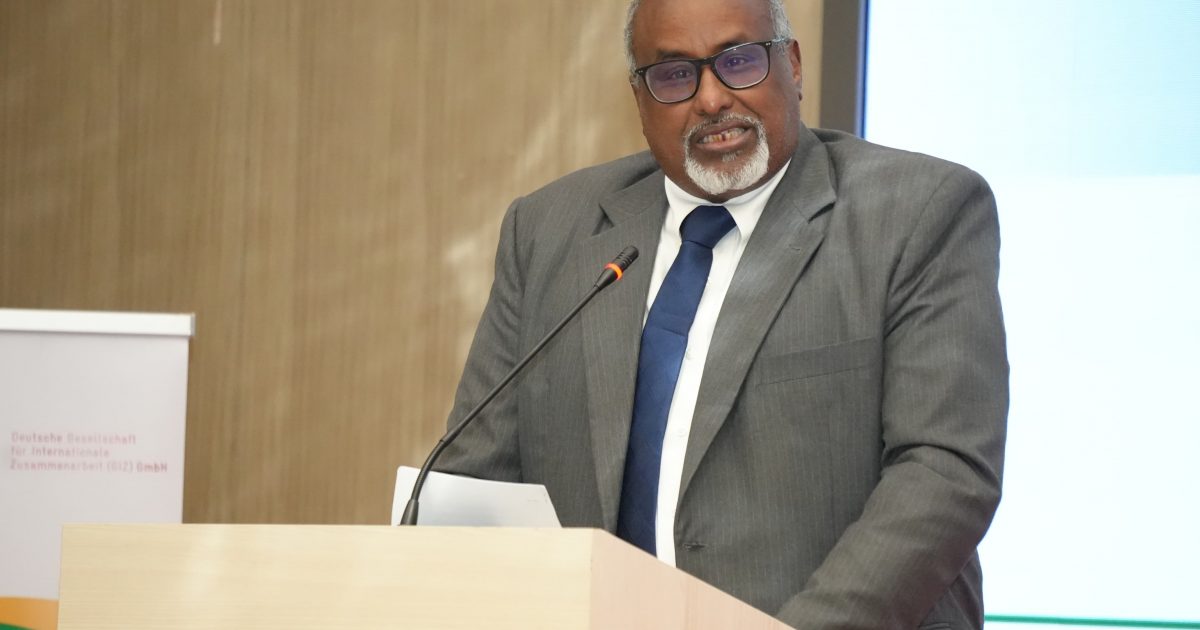
Speaking at the event, IGAD Deputy Executive Secretary Mohamed Abdi Ware acknowledged the plight of women regarding land injustices and called on stakeholders to face the reality of the dire situation.
Citing the mathematics of injustice, Ware noted that women produce 70 per cent of Africa’s food but own less than 20 per cent of the land.
Also, making reference to the IGAD region, he claimed that while 70 to 90 per cent of all wealth flows from land, less than 10 per cent belongs to women.
“This isn’t just unfair; it’s economically devastating,” expressed Ware, adding that when climate shocks hit, which are usually harder and more frequent, women bear the heaviest burden.
He lamented how women walk the furthest for water and watch their daughters leave school to help struggling families, yet according to research, which proves that if society gave women equal access to land and resources, they could increase farm yields by 20-30 per cent and reduce global hunger by up to 17 per cent.
However, the Deputy Secretary insisted that solutions are within sight from aspirations to actions, noting that since 2021, the IGAD Women’s Land Rights Agenda has moved from paper to practice.
“This year alone, through national dialogues across six countries, we’ve engaged 260 parliamentarians like yourselves,” revealed Ware, adding that in Uganda, the work has already produced six national policy briefs and established cross-border collaboration networks.
Stressing that the problem needs not only policies but champions, Ware persuaded the women parliamentarians, who he viewed as not just legislators but architects of the future, to believe that their votes can shatter centuries-old barriers, their budgets can prioritize justice, and their voices can amplify millions who have been silenced for too long.
He exemplified that in Uganda, the Parliamentary Forum on Land Management transformed women’s land rights from a side issue to a central priority, urging the rest to do the same in their own countries.
Further, Ware called on all the respective government representatives not to perceive Gender-responsive land policies as costs but to regard them as investments that pay dividends in food security, economic growth, and climate resilience.
“To our development partners: We need you to amplify grassroots innovations and hold us accountable to our promises,” he emphasised.
Ware observed that the three-day dialogue will forge two concrete outcomes: firstly, a permanent Regional Platform for Women Parliamentarians, that will outlast political cycles and secondly, actionable policy roadmaps, which stakeholders can implement immediately when they return home.
He urged participants not to let the dialogue become another beautiful document gathering dust on a shelf as women across the region continue suffering.
Meanwhile, the IGAD region remains highly vulnerable to climate change impacts such as prolonged droughts, floods, desertification, and environmental degradation, as these challenges disproportionately affect rural communities and exacerbate inequalities in land access, tenure security, and natural resource governance.
Women, who play central roles in agriculture, water management, and community adaptation, are often excluded from land ownership and decision-making processes.
In addition, weak land governance systems, customary norms, and policy gaps continue to undermine their capacity to adapt and lead climate-resilient livelihoods.
IGAD, through its Land Governance Programme, has championed efforts to strengthen land administration, support inclusive natural resource governance, and enhance community resilience—particularly for women and vulnerable groups.
The Nairobi Dialogue is part of IGAD’s ongoing initiative to align regional strategies, foster political will, and catalyse transformative actions that secure equitable land rights and sustainable climate responses.
By Michael Omondi