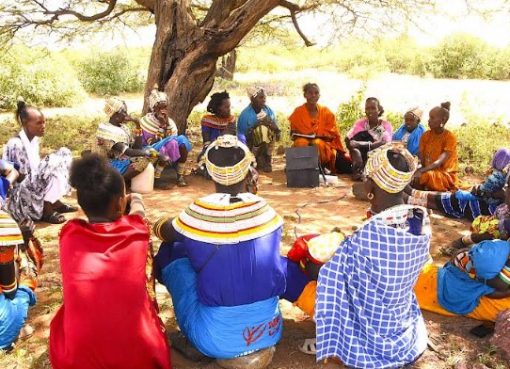
In Kaplangau village, located in West Marakwet Sub-county, Elgeyo -Marakwet County, youth-led horticultural farming is gaining traction as a viable economic alternative in rural development.
Leveraging small-scale irrigation, high-yield seed varieties, and market-driven production, young farmers like Christine Jepchumba are redefining the role of youth in Kenya’s agri-food systems.
At just 25 years old, Christine has made a name for herself as one of the young people driving rural economic development through modern vegetable farming.
A diploma graduate in Business Management from Eldoret Technical College, Christine ventured into farming in 2022 after months of unsuccessfully searching for employment. She began with a capital of Ksh 5,000, given to her by her mother, which she used to buy kale, spinach, and tomato seeds, along with basic irrigation tools.
“I decided to start with a quarter-acre plot behind our house. With a bucket, a hoe, and big dreams, I began planting vegetables that my family consumed. After the first harvest, I made over Ksh 12,000 from customers at the Kapsowar market,” Christine says with a smile.
Today, Christine manages a one-acre vegetable farm that supplies produce to three hotels in Iten town, two primary schools, and several wholesale shops. She has also employed two youths from a neighbouring village to help her on the farm.
Beyond business, Christine is now a youth agriculture ambassador through the Koibarak Youth Growers group, which brings together young people to learn improved farming techniques, especially organic farming and the use of manure-based fertilisers.
Using simple technologies like drip irrigation, quality seed varieties, and direct marketing, these young farmers are transforming the agricultural landscape in the area.
While many youths across the country continue to migrate to urban areas in search of a better life, the situation is different for some young people in Koibarak Ward. Here, vegetable farming has become a beacon of hope for those choosing to stay home and build a better life through agriculture.
Christine Jepchumba is among the youth opting to remain in their villages and invest in vegetable farming as a source of income and a way to improve their families’ livelihoods.
Elgeyo Marakwet County Government, through its Department of Agriculture, has initiated various training programs, distributed quality vegetable seedlings, and connected farmers to markets.
“We’ve seen that when youths benefit from farming, they stop moving to towns,” says Raymond Cheboi, West Marakwet Sub-County Agricultural Officer. “They invest at home and help build our rural economy.”
Youth groups like Koibarak Youth Growers have become models of success, encouraging other young people to venture into agriculture collectively, learn practically, and sell their produce in bulk through cooperative models.
However, challenges such as lack of affordable credit, climate change, and unpredictable prices remain hurdles. But for youths like Christine, farming is a business that requires planning. “When you plan, record your expenses, and sell properly, farming pays,” she says.
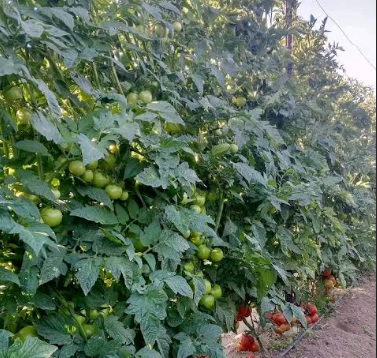
The vegetables grown by the youth in this group include kale, spinach, tomatoes, onions, bell peppers, and indigenous greens. These not only boost income but also improve community nutrition.
Various leaders have praised the youth’s efforts, noting that agriculture is a major driver of rural development. These young people are not just farmers – they are development partners in their communities.
As vegetable gardens continue to flourish across the fields, so do the hopes and new direction of youth development in Elgeyo Marakwet. For them, dreams of success are no longer found in the cities but in the village soil, where every plant represents hope and transformation.
By Rennish Okong’o