A new wave of cotton farming is sweeping across Taita Taveta County, offering hope to jobless youth and reviving a crop once dismissed as dead.
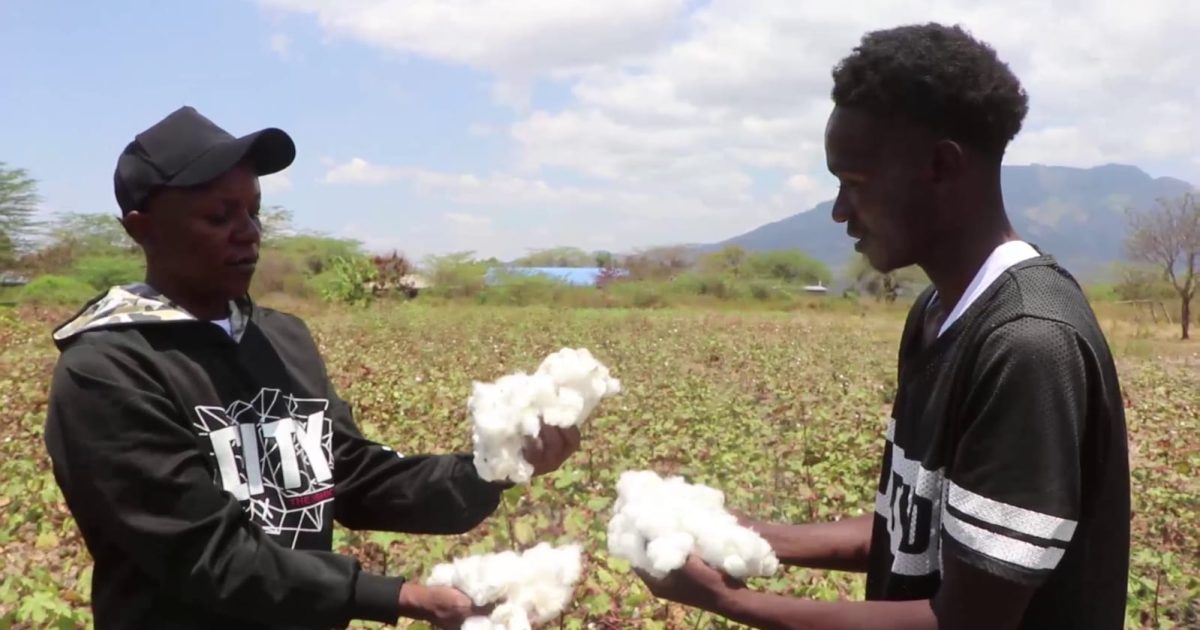
Among those riding this wave is 21-year-old Paul Rukwaro, a Form Four leaver from Marondo village in Taveta sub-county. Determined to pursue his dream of becoming a teacher, Rukwaro has embraced cotton farming to raise money for university fees.
The young farmer, who scored a C+ in KCSE, hopes to join one of the universities in Kiambu County to pursue a Bachelor of Education degree. However, poverty has stood in his way. With his parents unable to pay his tuition, his father gave him a rare gift, a two-acre piece of land to farm.
“I want to go to university and train as a teacher, but my parents cannot afford the fees. My father gave me land so I could farm and raise the money myself,” he explained, packing his first harvest into sacks, his hands roughened by farm work but full of hope.
Rukwaro’s story mirrors a wider shift in Taita Taveta, where more than 100 young people have turned to cotton farming in recent months. The revival has been fueled by the government’s decision to raise the buying price from Sh52 to Sh72 per kilo, a change that has injected fresh energy into the sector.
For years, cotton farming was dominated by elderly farmers, but the new incentives have attracted youth eager to earn a living and secure their futures.
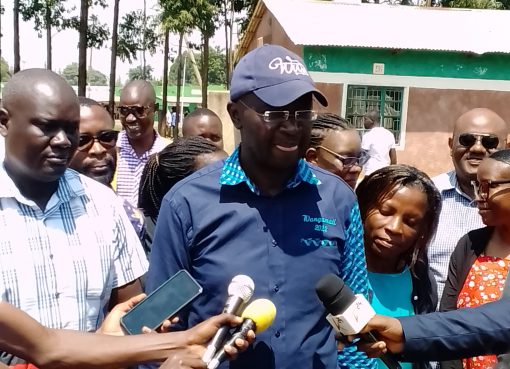
Thika Cloth Mills (TCM) Development Manager, Hesmond Olweny, who recently toured the county, praised the young farmers. “It is encouraging to see youth take up cotton farming. For years, it was dominated by older generations, but this shift is the future of textile industry revival in Kenya,” he said.
Olweny assured farmers that TCM would buy all the cotton produced and highlighted the company’s support to farmers through subsidized seeds and fertilizers.
The transformation is also visible in farmers’ groups. Chausiku Ramadhani, chairperson of the Pamba ni Mali Cotton Farmers’ Cooperative, said youth now form a significant part of her membership.
“Out of our 300 members, more than 100 are young people. They are leading the way, thanks to better prices, free seeds, and the introduction of BT cotton, which matures in three months and resists pests,” she noted.
Traditionally, cultural practices discouraged fathers from giving land to their sons, locking many out of farming. That tide is now turning, with parents increasingly handing over land to their children and opening up opportunities for youth to venture into agriculture.
Though Rukwaro admits that his first harvest may not fully cover his university tuition, he remains optimistic. “I appeal to well-wishers to support me so I can join my classmates in university. I want to graduate and return to teach the children of Taita Taveta. That is my dream,” he said.
For him, each fluffy ball of cotton is more than just a harvest. It is a step closer to fulfilling his ambition of standing in a classroom, not as a student, but as a teacher shaping the future of others.
By Muoki Charles