Youths in Molo sub-county have been urged to apply for the Climate Resilience Service Program (CRSP) and utilize the opportunity to better their lives.
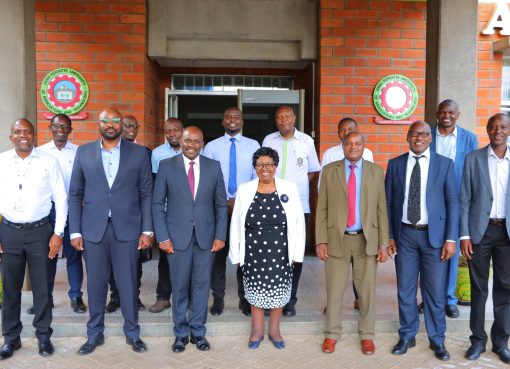
Speaking during Molo sub-county implementation committee meeting, the area Deputy County Commissioner (DCC), Jackson Olechuta said that the beneficiaries of this program, will be earning weekly wages, which they can use it to start small businesses and meeting other needs as well.
CRSP is a program initiated by the national government to help bridge unemployment gaps amongst the youths.
Olechuta said this programme will help stimulate economic growth across the country, while giving a decent life to the youths.
The youths across all 47 counties are invited to apply through the online portal WWW.CRSP.go.ke that is scheduled to end on 13th June of this year.
Molo sub-county is expected to recruit 330 youths and 11 supervisors.
Molo and Elburgon will each recruit 90 youths, while Turi, Sachangwan and Marioshoni will each recruit 50 of them.
The tally in other s-counties within Nakuru county include Nakuru East 495 slots and 17 supervisor slots, Nakuru West (480) youths and 16 supervisors, Nakuru North (240) youths and 8 supervisors, Subukia and Njoro have each been allocated 210 youth slots and 10 supervisors and 11 supervisors respectively, while Gilgil and Naivasha have each 310 slots and 11 supervisors.
The program aims at empowering young youths by providing them with skills and resources needed to succeed in their endeavors, ultimately contributing to the development of their communities and the nation as a whole.
The applicants for the program should possess a national identification card and have an M-pesa line where their weekly wages will be channeled to.
Among the activities the youths will engage in include working together with the Kenya Forest Service (KFS) on tree planting exercise along the highways and riparian land, maintenance of roads and housing and urban development.
The DCC also mentioned that sub-county implementation committees have been established to monitor the program’s progress, expected to run for a period of six months.
After this period, youths will be required to reapply to continue with their involvement for another six months.
The program will prioritize youths from the informal settlement; those living with disabilities and aims to maintain a gender balance among the beneficiaries.
The stakeholders of the program include Kenya Rural Roads Authority (KeRRA), Kenya Urban Roads Authority (KURA), National Environment Management Authority (NEMA), the county government, youth officers, environment officers and the local administration among others.
By Emily Kadzo