A Non-Governmental organization dubbed ZanaAfrica has launched a large-scale study to investigate the growing prevalence of menstrual irregularities among Kenyan women and adolescent girls.
This comes after a surge in distress calls reporting severe menstrual pain, heavy bleeding and prolonged periods.
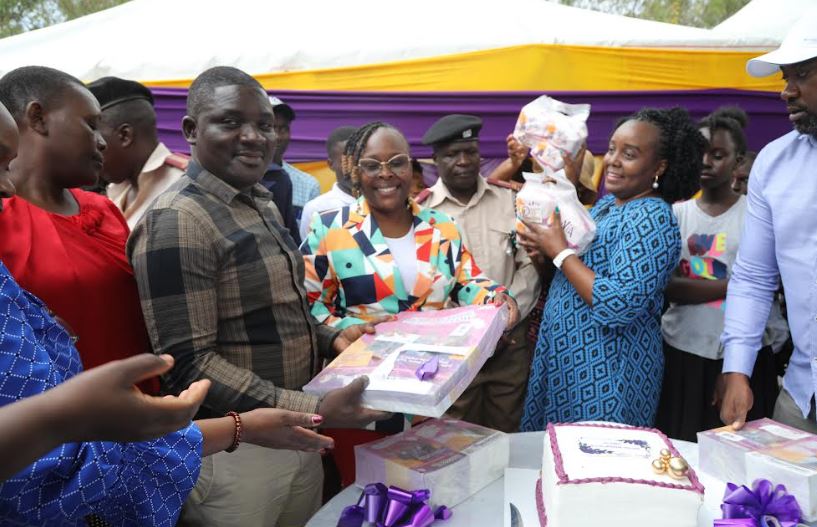
Speaking during the launch at Otaro Primary School in Rachuonyo North, ZanaAfrica Executive Director Beatrice Wanjiku Jane reiterated the organisation’s hotline has been receiving increasing reports of symptoms that fall outside the range of a normal menstrual cycle.
“A normal mensural period runs between 21 and 35 days and should not involve extreme pain or excessive bleeding. When periods last more than seven days, come with unusually heavy bleeding, or the pain becomes intense, that signals a health problem that requires medical attention,” Jane said.
The study, being conducted in partnership with the Population Council, Ilara Health, and seven county government’s aims to assess the prevalence of menstrual disorders and understand how women currently manage these symptoms.
It targets 10,000 women and girls aged 15 to 49, in line with Ministry of Health’s reproductive age guidelines.
Following the initial screening, at least 500 participants will undergo detailed clinical investigations to determine the cause of irregular cycles, severe cramps, prolonged menstruation and other menstrual complaints.
Findings from the study will help shape reproductive health policies, strengthen community education, and improve access to menstrual health services for thousands of women and girls.
Jane noted that many women and girls suffer in silence, often resorting to over-the-counter painkillers that provide little to no relief. “There is very limited literature on how women manage heavy bleeding or severe pains. This study will provide evidence to support policy changes and help us develop materials that encourage timely health-seeking behaviour,” she said.
ZanaAfrica Programme Manager Alice Onsarigo said the project aims to identify the most common menstrual irregularities in the country and explore how they can be used as early indicators of broader health problems.
The organisation also plans to develop learning materials and content that women can use to manage and overcome the challenges they face.
Onsarigo urged women to seek medical attention if they experience menstrual disorder and described menstrual irregularities as a public health concern that should not be normalized.
Health experts at the event warned that menstrual irregularities should never be ignored. They echoed that menstrual disorders may be triggered by hormonal changes, environmental factors such as changes in climate, or the use of some family planning methods.
Homa Bay County Health Director Dr Adel Ottoman reiterated that some family planning methods can affect a woman’s menstrual cycle, sometimes leading to excessive bleeding or prolonged periods.
Dr Ottoman said menstruation, though natural, can come with discomfort for some women, but persistent pain, heavy bleeding, or cycles that last longer than seven days may be signs of underlying health issues.
Left untreated, he warned, such conditions can escalate and affect a woman’s physical and mental wellbeing.
Dr Ottoman informed that the study will play a critical role in helping women understand their bodies and seek timely medical care, enabling them to return to healthy, productive lives.
By Sitna Omar