The State Department for Cooperatives has released Sh20 million to upgrade Luanda Ginnery in Busia County in a bid to revitalize the cotton value chain and spur rural industrial growth.
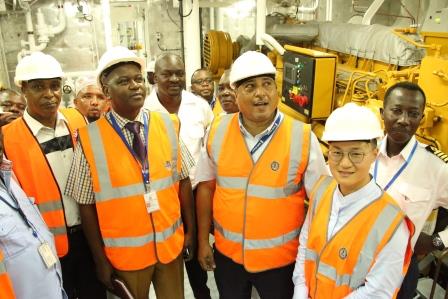
Earmarked for Phase II of the ginnery’s modernization, the funds will facilitate the installation of two new ginning machines, a cotton drying unit, and critical spare parts to support continuous operations.
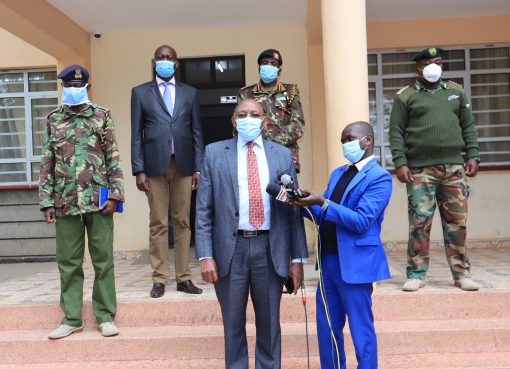
Presiding over the official handover to the contractor, Secretary Administration in the State Department for Cooperatives Amos Mariba said the initiative was part of the government’s Bottom-Up Economic Transformation Agenda (BETA), which prioritizes value addition and rural enterprise development.
Mariba said Luanda Cooperative Society Ginnery, located in Samia Sub-County, was the only functioning ginnery in Busia County and serves cotton farmers across parts of neighbouring Siaya County, terming the investment as a major milestone in the cotton farming revival.
“Upgrading this facility is about more than machinery—it’s about creating jobs, supporting our farmers, and reviving the local economy. We are committed to empowering cooperative societies to be the backbone of Kenya’s industrial growth,” he said.
The move comes after the successful completion of Phase I of the project, which saw an earlier allocation of Sh80 million used to refurbish existing infrastructure and procure foundational equipment, he added.
Mariba further said that the contractor has been given a three-month deadline to complete the installation and commissioning of the new machinery, expected to significantly boost processing capacity ahead of the next harvest season.
He also revealed that the State Department for Cooperatives was pushing forward with legislative reforms targeting the cotton and cooperative sectors and that the key proposals which were before the Senate were targeted at repositioning cooperative societies at the heart of production, processing, and marketing.
“These reforms are designed to unlock value at every stage—from the farm to the factory floor. With the right policies and infrastructure, we can turn cotton into a driver of rural transformation,” Mariba noted.
He added that since cooperatives were a devolved function, the legislative frameworks look at ways of integrating the County Cooperatives Officers into the broader national government agenda to revive the sector for the benefit of the whole country.
Luanda Cooperative Society Secretary David Ogea lauded the national government for the support in reviving the ginnery.
“I want to thank the national government sincerely for this initiative. This ginnery had collapsed but through the support, we have resumed operations,” he said.
He further asked farmers, particularly the youth within the ginnery’s catchment, to take advantage of the renewed commitment by the government on the crop and plant cotton.
“The biggest challenge we have here now is the supplies. Most of our members are elderly; that is why we want the youth to actively take up cotton farming so that they can carry on with the ginnery’s operations,” he said.
He noted that cotton farming was very profitable and that with the reopening of the ginnery, a kilogramme of cotton was going at Sh72 with the society making payments on delivery.
By Chris Mahandara