Employers in both public and private sectors have been urged to conduct regular gender audits to identify gender disparities in policies, practices, and organizational culture towards enhancing equity in the workplaces.
Egerton University’s Institute of Gender, Women and Development Studies (IGWDS) Director Dr Lilian Chesikaw said that equality and empowerment of all employees at work stations were essential components of human development and basic human rights and called for greater visibility, professionalism and value-based leadership for all workers.
Dr. Chesikaw argued that demonstrating a commitment to gender equality through gender audits would not only improve employee morale but would also enhance the reputation of an organization.
She elaborated that a more equitable and inclusive workplace environment could lead to increased productivity, innovation, and overall organizational success.
Dr. Chesikaw went on to say that gender audits help uncover hidden biases and inequalities in recruitment, promotion, pay, and other workplace practices, issues she said often affect all genders.
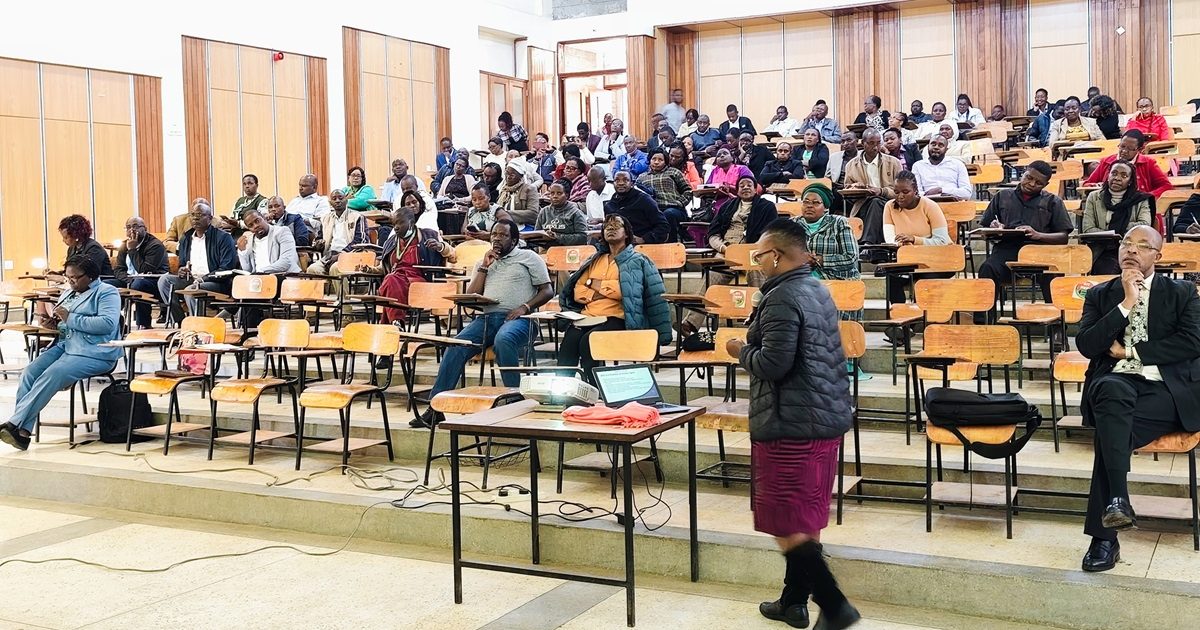
The Director made the remarks during the Institute’s Annual Training and Sensitization workshop on gender mainstreaming and gender-based violence (GBV) that was held at the university’s Njoro Main Campus.
The event is part of the institution’s commitment to the Performance Contracting and Reporting process, which the Director said aligns with national and international frameworks such as the International Labour Organization’s (ILO) Convention on Equal Remuneration, Kenya’s Employment Act 2007, and the Sustainable Development Goals (SDGs).
Dr. Chesikaw added that gender audits could reveal issues related to workplace culture, such as sexual harassment, discrimination, and lack of support for all employees, which she said could be addressed to create a more positive and respectful environment.
“Studies show that organizations with greater gender equality tend to have better financial performance and employee satisfaction,” stated the Director.
While noting that Kenya had legal frameworks and policies promoting gender equality, the Director emphasized the need for organizations to conduct regular gender audits, saying doing so demonstrates commitment to their obligations.
Chesikaw observed that by addressing gender inequalities, organizations could contribute to broader national development goals, improve workplace dynamics, and contribute to a more equitable and inclusive society.
She explained that the process may involve reviewing documents, conducting surveys, holding focus group discussions, and conducting interviews with employees, adding that the data collected should be analyzed to identify patterns, trends, and areas of concern related to gender equality.
“By conducting gender audits, Kenyan workplaces can take concrete steps towards creating a more just and equitable environment for all employees, contributing to both individual well-being and broader societal development,” noted the Director.
The workshop was attended by representatives from the International Solidarity Foundation (ISF), Monchari, Damaris Mwikali, and Douglas Moenga, who shared insights from gender initiatives in Kisii and Nyamira Counties.
Egerton University’s Deputy Vice Chancellor in charge of Academic Affairs, Prof. Bernard Aduda, commended the Institute’s efforts in raising awareness on gender issues.
Prof. Aduda encouraged more women to apply for senior leadership roles to overcome the persistent glass ceiling in institutions and foster mutual respect.
The Don, at the same time, urged women to lend their voices to combating harmful cultural practices, including female genital mutilation (FGM) and child marriages, factors he said impede girls and women from attaining their potential.
The Deputy Vice Chancellor noted that while the journey of women in leadership had been long and bumpy, their determination and commitment had yielded fruits, adding that all genders should take leadership roles and actively shape Kenya’s development by ensuring their voices are heard in decision-making.
By Esther Mwangi and Esther Ochieng