Residents of Ndia Constituency, Kirinyaga West -sub county, are set to benefit from improved transport and connectivity following the confirmation that construction of the Kibirigwi–Kairini Road will begin next month.
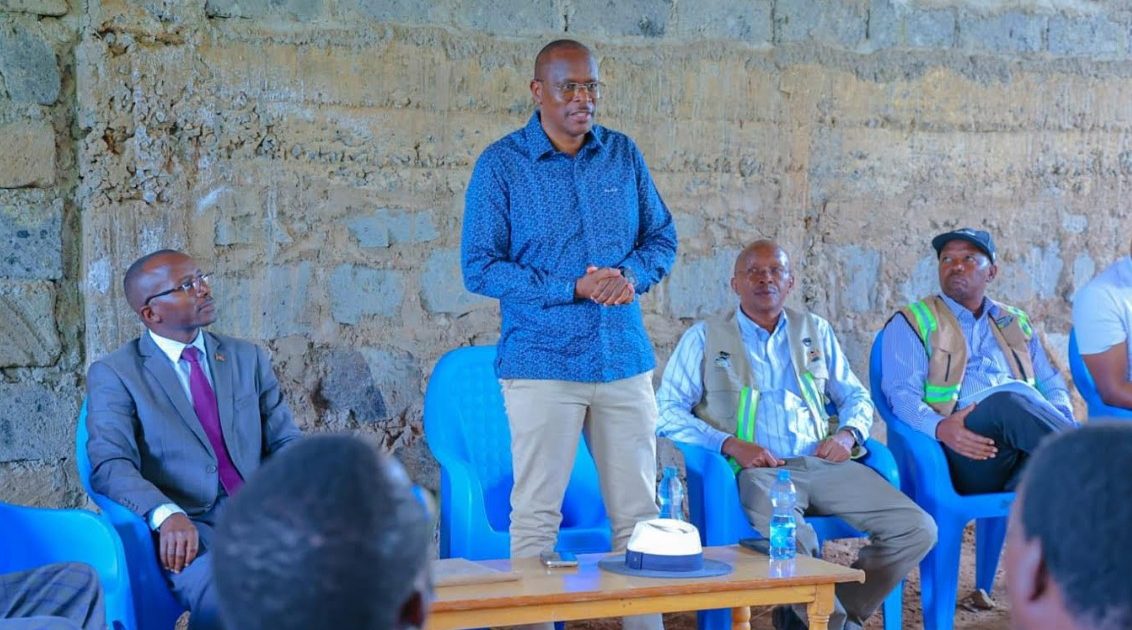
The announcement was made during a stakeholders’ meeting that brought together officials from the Kenya National Highways Authority (KeNHA), project consultants, government administrators, and local residents to discuss the implementation of the project and its expected impact on the community.
Speaking during the meeting, Eng. Henry Gakuru, Director at Kenya National Highways Authority (KeNHA), assured residents that preparations for the project are complete and that construction works are scheduled to commence.
The meeting was also attended by area Member of parliament George Kariuki (MP), who is also Chairperson of the Parliamentary Departmental Committee on Transport and Infrastructure; the Kirinyaga West Deputy County Commissioner (DCC), John Mbugua; members of the local administration; and area residents who welcomed the development, noting that the road has long been a priority for the region.
Once completed, the Kibirigwi–Kairini Road is expected to significantly enhance mobility within the area by providing a reliable transport corridor linking several trading centres and rural communities, easing the movement of goods and people, reducing travel time, and lowering transport costs.
The project is part of a broader set of upgrades in the region, including the Kibirigwi-Kairini-Kianjege and Nguguini-Gitahiki-Ngurumorodi-Ndia-KwaMwega (Kibirigwi) roads, which have been inspected by technical teams from the Kenya Rural Roads Authority (KeRRA).
George Kariuki ,MP, noted that the project will stimulate economic activities by improving access to markets for farmers and small businesses, while at the same time enhancing access to schools, health facilities, and other essential services.
Community members present at the meeting expressed optimism that the project will address longstanding transport challenges in the area and contribute to the socio-economic development of Kirinyaga West.
The project will mark a significant milestone toward improving infrastructure and connectivity in the region.
By Mutai Kipng’etich