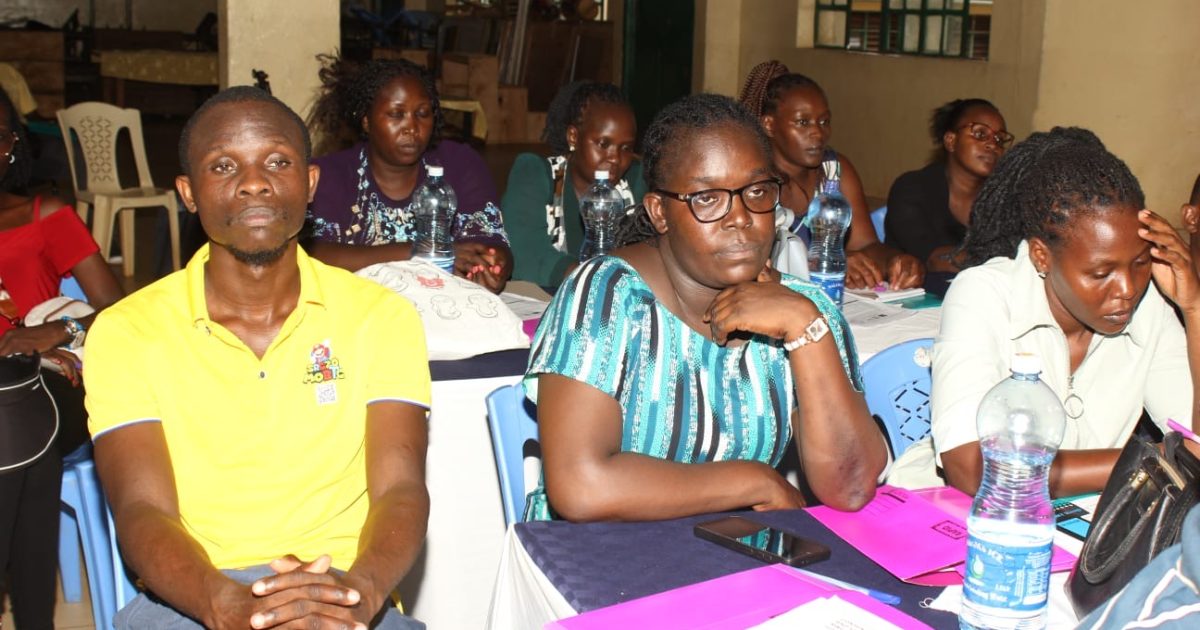
Heads of Department (HODs) in Science, Technology, Engineering, and Mathematics (STEM) from across Kwale County are undergoing an intensive training aimed at strengthening their capacity to deliver under the Competency-Based Curriculum (CBC).
The four-day training, held at Matuga Girls High School, is part of a nationwide programme spearheaded by the Ministry of Education in partnership with the Centre for Mathematics, Science and Technology Education in Africa (CEMASTEA).
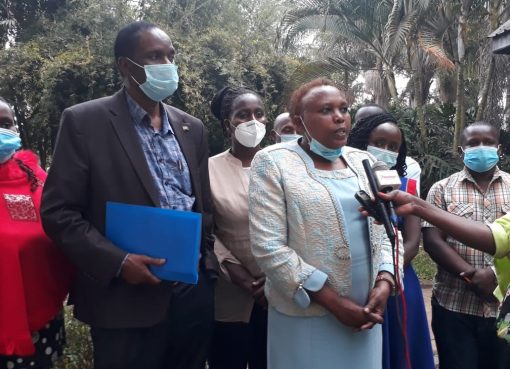
According to County Quality Assurance and Standards Officer Helen Aphunga, the initiative is designed to equip educators with the skills, knowledge, and attitudes needed to effectively implement their curriculum in senior schools.
“The whole idea is to equip them with the necessary skills, knowledge and attitudes that will help them effectively deliver the curriculum when they return to their stations,” she said.
The programme targets 60 participants drawn from senior schools across the county, building on similar training conducted in December. Officials say early feedback indicates improved classroom delivery among trained teachers.
A key focus of the training is the transition from traditional teaching methods to learner centered approaches aligned with Competency Based Education (CBE).
CEMASTEA representative Derick Govedi emphasized the importance of helping teachers adapt to the new curriculum.
“We are in a transition from the previous system to competence-based education, and many teachers are facing challenges handling the new subjects,” he said.
He added that the training focuses on unpacking curriculum objectives, improving assessment methods, and integrating ICT into teaching.
Govedi noted that educators are being trained to design interactive lessons that go beyond conventional “talk and chalk” methods, incorporating discussions, activities, and critical thinking exercises.
He said training also challenges the perception that digital learning requires sophisticated infrastructure.
Govedi highlighted mobile phones as practical tools for integrating ICT in classrooms, enabling research, content creation, and interactive learning even in resource limited settings.
“ICT is not limited to desktop computers in a lab. Teachers and students can use mobile phones for research, recording lessons, and accessing learning materials,” he said.
Despite the progress, education stakeholders acknowledged several hurdles facing STEM implementation.
These include a shortage of textbooks, delays in resource distribution, and a lack of specialized teachers in technical subjects.
School principals also raised concerns about assessment under CBC and the need for more trained personnel.
Kwale KESSHA Chairman Siasa Mwafungo welcomed the programme but called for expanded participation.
“If every senior school can have at least one HOD trained, we will move faster and achieve greater impact,” he said.
The training is part of a broader national rollout currently being implemented in 39 counties, underscoring the government’s commitment to strengthening STEM education.
County Trainers Representative Elias Chula said the initiative is already transforming classroom practices.
“Teachers are gaining innovative methods that make STEM subjects more engaging. When students enjoy learning, they are more likely to pursue these pathways,” he said.
As the country continues to implement CBC, stakeholders expressed optimism that sustained collaboration between government agencies, schools, and training institutions will help nurture learners’ potential and build a strong foundation for STEM-driven development.
by Chari Suche