A growing chorus is emerging from the hills and valleys of Tinderet Sub County in Nandi County, where residents are increasingly drawing attention to the vast but underutilised mineral wealth beneath their feet.
As pressure mounts on authorities and investors to unlock this potential, locals are now naming specific areas believed to host valuable mineral deposits and calling for urgent action to transform the region’s socio-economic landscape.
Stretching across wards such as Songhor/Soba, Tinderet, Chemelil/Chemase and Kapchorua, the sub-county sits atop a complex volcanic formation associated with the ancient Tinderet volcanic system. Within these zones, residents and local leaders point to several localities where minerals have long been discovered, though never fully exploited.
In the Songhor area, particularly around the hills bordering Chemase and the lower belts near the Nandi escarpment, locals speak of visible rock outcrops rich in calcite and limestone. According to long-time resident Kiprono Langat, these deposits have been known for generations.
“We have seen these white rocks in Songhor and Chemase since we were young,” Langat says, adding, “People have even used some of them for local construction, but no serious investor has ever come to assess their full value.”
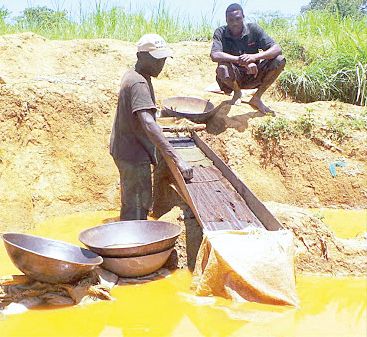
Further uphill in Kapchorua Ward, especially in areas around Kapsengere, Chepterwai and the forest edges adjoining Tinderet Forest, there are reports of iron-rich rocks and dark mineral streaks believed to contain magnetite. Small-scale, informal extraction has occasionally taken place, though without structured oversight.
Jackson Kibet, a youth leader from Kapchorua, says the presence of such minerals is evident even to the untrained eye. “When you walk through parts of Kapsengere, you will see black stones that are unusually heavy,” he explains. “We are told these could be iron ore, but nobody has come to confirm or invest in them.”
In Tinderet Ward, particularly around areas such as Meteitei, Chepsir and the slopes near the forest reserve, traces of fluorite and other crystalline minerals have reportedly been identified. Residents describe colourful mineral veins embedded in exposed rock surfaces, often ignored or dismissed due to lack of awareness.
Anne Jepkosgei, a teacher in Meteitei, believes lack of information has slowed progress. “Some of these minerals are visible, but people don’t know what they are worth,” she says. “If proper surveys were done and the community educated, this place would look very different economically,” she says.
Chemelil/Chemase Ward, located in the lower parts of the subcounty, is also frequently mentioned by residents as an area with significant deposits of limestone and other sedimentary minerals suitable for industrial use. The proximity of this area to transport corridors makes it particularly attractive for potential investors.
Mary Chebet, a farmer from Chemase, says the opportunity is being wasted. “We have land that can support mining and still allow us to farm,” she notes. “If companies come here, they could create jobs and also improve our roads, which are currently in poor condition.”
Across these areas, there is a shared belief that the mineral deposits are not isolated but part of a broader geological system that runs across the subcounty. Some residents also point to the forested zones of Tinderet as potentially hosting rare minerals associated with volcanic activity, though they caution against reckless exploitation.
Public Benefit Organizations working within the region have joined the conversation, emphasising both opportunity and responsibility.
David Kiptoo, a programme officer with a community-based environmental organisation operating in the area, acknowledges the mineral potential but warns against unregulated extraction.
“We are aware that areas like Chepterwai, Kapsengere and parts of the Tinderet Forest belt could be mineral-rich,” Kiptoo says, adding. “However, these are also ecologically sensitive zones. Any mining activity must be guided by strict environmental safeguards.” He adds that community involvement must be central to any development plans.
“Residents of Songhor, Chemase and Kapchorua must not be sidelined; they should be consulted, compensated fairly and included in decision-making processes,” he stresses.
Another voice, Grace Mutai, who represents a public benefit organisation focused on economic empowerment, stresses the importance of structured investment.
“If minerals in places like Meteitei, Chemase and Kapsengere are confirmed to be commercially viable, then we need serious investors who can establish industries locally,” Mutai says. “We are talking about cement production, mineral processing plants and even export-oriented industries.”
Mutai argues that value addition is key to ensuring long-term benefits. “We don’t want a situation where raw materials are taken away and the community is left with nothing,” she says. “Processing should happen here so that jobs and skills remain within the Sub County.”
The calls from residents also highlight infrastructure gaps that continue to hinder development. Roads linking mineral-rich areas such as Chepsir, Songhor and Kapchorua remain largely underdeveloped, making access difficult for potential investors.
Brian Kibet, a youth representative from Tinderet Ward, says infrastructure development should go hand in hand with mineral exploration.
“If the government is serious about these resources, then roads must be improved,” he says. “You cannot expect investors to come to places that are hard to reach.”
There are also calls for transparency and information sharing from authorities.
“We need clear communication about what minerals exist in areas like Chemase, Meteitei and Kapsengere,” says Jepkosgei, claiming, “Right now, everything is based on speculation.”
Residents believe that proper geological surveys, if conducted and shared publicly, could attract both local and international investors.
At the same time, environmental concerns remain at the forefront of discussions. Parts of Tinderet Forest, which overlap with mineral-bearing zones, serve as critical water catchment areas and habitats for wildlife.
Kiptoo reiterates the need for balance. “Development is important, but so is conservation,” he says. “We must ensure that areas like the forest belt in Kapchorua are protected even as we explore economic opportunities.”
Despite these concerns, optimism remains high among residents who see mineral exploitation as a pathway to transformation.
From Songhor to Chemase, from Kapsengere to Meteitei, the message is consistent: Tinderet’s hidden wealth should no longer remain buried.
“We have waited for too long.The minerals in these areas can change our lives if they are properly managed,” says Langat.
As conversations continue to gain momentum, the spotlight is now on authorities and potential investors to respond to the calls from the ground.
By Sammy Mwibanda