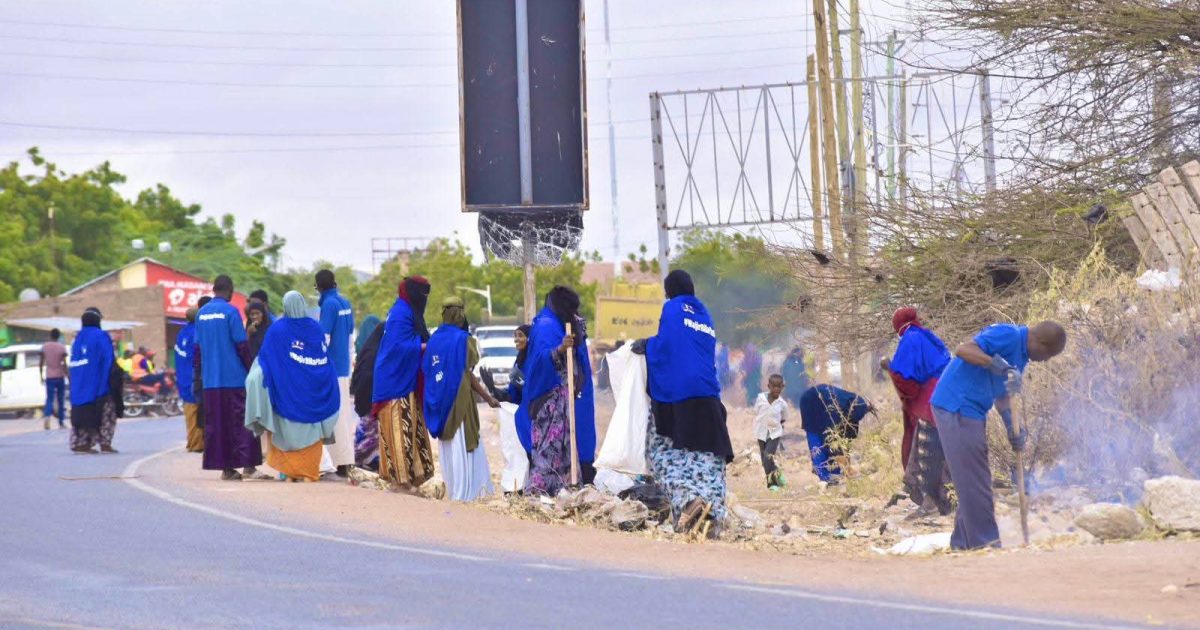
Wajir Town has launched an eight-day environmental drive to combat plastic pollution, bringing together youth groups, elders, local authorities and development partners in a united bid to promote a cleaner, healthier environment.
The campaign, dubbed “Wajir Bila Plastic” (Wajir Without Plastic), is spearheaded by Islamic Relief Kenya in collaboration with community-based organisations and the Wajir Municipality.
The initiative seeks to not only clear waste from public spaces but also address the health and environmental risks linked to plastic use.
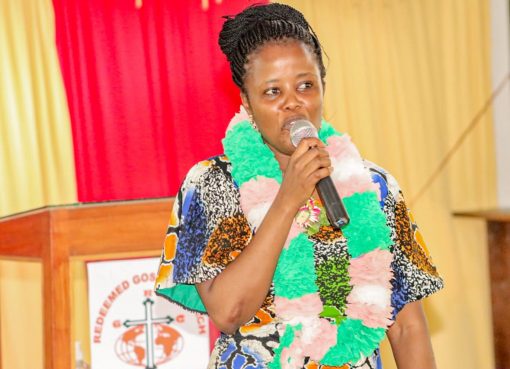
At the campaign’s launch, Islamic Relief Kenya’s Wajir field representative, Ms Nimaa Adan, said the effort reflects the power of partnerships.
“This initiative is designed to curb plastic pollution and bring together the youth from three wards, working alongside various stakeholders,” she noted.
Five youth groups are leading clean-up activities in streets, markets and neighbourhoods across the town.
Their work has already started changing the town’s outlook while instilling civic pride among residents.
For community members, the fight against plastic is also a fight for livelihoods.
Elder Omar Tanicha of Barwaqo Ward explained how discarded plastics have become a threat to livestock, which form the backbone of Wajir’s economy.
“We are dealing with a crisis where livestock are suffering because of plastic waste. Many animals are swallowing plastic bags, which leads to illness and even death. This affects our livelihoods directly, and that’s why today’s clean-up is so important,” he said.
The Wajir Municipality has pledged full support for the drive.
Municipality Manager Mr Omar Shano underscored the shared responsibility for public hygiene.
“Public hygiene isn’t just the responsibility of the county government. It’s up to all of us. We are grateful to Islamic Relief Kenya for their support and encourage other organisations to get involved in this important initiative,” he said.
Beyond the clean-up, the campaign is using awareness sessions to encourage residents to adopt proper waste disposal methods and reduce dependence on single-use plastics.
Shopkeepers, families and road users are being sensitised on the need for sustainable practices.
The campaign also builds on earlier investments by Islamic Relief Kenya.
In August 2025, the organisation committed Sh2million to support youth groups in setting up waste collection points and recycling initiatives under the project “Enhancing Plastic Waste Management and Youth Employment in Wajir.”
The programme links waste management with youth empowerment by providing training and creating opportunities for sustainable enterprises.
By addressing both environmental protection and social well-being, the initiative seeks to curb challenges such as unemployment, drug abuse and trafficking while fostering responsibility among young people.
By Hamdi Buthul