Floods linked to climate change are triggering a silent mental health crisis in Kenya’s informal settlements, with new research showing significantly higher levels of depression, anxiety, and post-traumatic stress disorder (PTSD) among affected residents.
The study, dubbed Weather Events and Mental Health Analysis (WEMA), found significantly higher levels of depression, anxiety, and post-traumatic stress disorder (PTSD) among residents exposed to recurring floods, highlighting what researchers describe as an often-overlooked mental health dimension of climate change.
Researchers from the African Population and Health Research Centre (APHRC) surveyed 1,000 residents in Nairobi’s Mukuru Kwa Reuben informal settlement and Kisumu’s Manyatta slums as part of a multi-country study also being conducted in South Africa, Mozambique, and Burkina Faso.
The findings show that PTSD is emerging as the dominant mental health condition linked to extreme weather events, particularly flooding.
According to the study, 37 per cent of respondents screened positive for probable PTSD, while 22 per cent showed signs of depression and 15 per cent anxiety. Researchers said these rates are between five and 12 times higher than estimates for the general population.
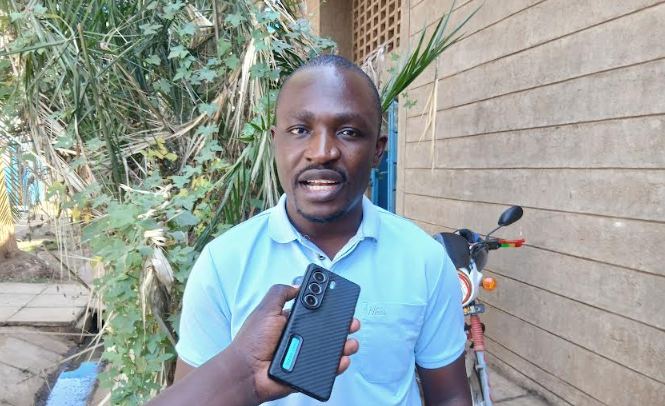
“We are trying to bring out the association between extreme weather events and mental health. While urban informal settlements already have a high burden of mental health disorders, our findings show there is a proportion of that burden that is directly associated with extreme weather events, particularly flooding,” said Henry Odero, a Monitoring, Evaluation and Research Officer at APHRC.
Addressing journalists at Kosawo Hall in Myanyatta during a stakeholder engagement, Odero said the research found that residents exposed to floods were far more likely to experience trauma-related disorders.
PTSD prevalence stood at 44 per cent among flood-affected residents compared to 30 per cent among those not directly affected by floods.
The risk increased further among households forced to evacuate, where PTSD prevalence rose to 47 per cent.
Researchers also established a cumulative effect, with repeated flooding worsening psychological distress.
Among residents who had experienced five or more flood events, PTSD prevalence climbed to 51 per cent.

“Flooding is not just about losing property or income. There is anxiety that comes every time people hear thunder or see dark clouds forming. Many continue reliving previous disasters long after the floodwaters have receded,” said Odero.
In Mukuru Kwa Reuben, where flooding is frequent, PTSD prevalence reached 44 per cent compared to 30 per cent in Manyatta. Depression prevalence was also higher in Mukuru at 24 per cent compared to 19 per cent in Manyatta.
Researchers linked the worsening mental health outcomes to economic shocks triggered by climate disasters.
Food insecurity emerged as one of the strongest pathways through which floods affect mental well-being.
The survey found that 77 per cent of respondents fell into the most severe category of food insecurity, while 87 per cent reported cutting or skipping meals over the previous year.
Among food-insecure households, depression prevalence rose sharply to 25 per cent compared to just three per cent among food-secure households.
PTSD prevalence reached 42 per cent among those experiencing severe food insecurity.
Flood-affected households were also more likely to suffer hunger, with 88 per cent reporting very low food security.
Researchers said floods often destroy household stock, interrupt informal businesses, and prevent residents from accessing work, leaving already vulnerable families struggling to meet basic needs.
The study further found that women bear a disproportionate share of the psychological burden. PTSD prevalence among women stood at 41 per cent compared to 27 per cent among men, while depression affected 24 per cent of women against 15 per cent of men.
At the same time, social support emerged as a critical protective factor. Residents with strong family and community support networks recorded significantly lower levels of depression and PTSD than those living in isolation.
“What we are seeing is that people with family support, friends, and strong social connections cope much better, but those who are alone, particularly young people living by themselves, have some of the highest levels of PTSD, depression, and anxiety,” said Odero.
Odero said the findings underscore the need for mental health services to be integrated into disaster preparedness and climate adaptation programmes.
He called for stronger early warning systems, improved drainage infrastructure, community-based support networks, and faster disaster response mechanisms at the county level.
“Flood response cannot only be about food, shelter, and rebuilding houses. Mental health support must become part of climate action because the psychological effects of climate change can last long after the physical damage has been repaired,” he said.
The findings come as climate-related disasters continue to intensify across Kenya.Dr. Moustapha Tall, an Associate Research Scientist in Climate Science at APHRC, said Africa remains among the regions most vulnerable to climate change despite contributing the least to global greenhouse gas emissions.
“The project seeks to understand how extreme weather events affect the mental health of vulnerable populations. The communities we are studying are already facing multiple vulnerabilities. Climate shocks add another layer of stress that affects mental wellbeing,” he said.
Tall said the current phase of the study is focused on validating findings with affected communities before researchers develop targeted interventions to help residents cope with depression, anxiety, and trauma-related disorders.
The researchers are also seeking funding for a second phase that will examine the impact of compounded climate events, including extreme heat and flooding occurring in quick succession.
The WEMA project hopes its findings will help shape policies that recognise mental well-being as a key component of climate resilience, particularly for vulnerable populations living on the front line of climate change.
By Chris Mahandara