The County Government of Nakuru is working on an action plan to strengthen social protection and social security systems to address poverty, vulnerability, and inequality amongst marginalized groups, informal sector workers and rural communities.
County Executive Committee Member (CECM) for Gender, Youth, Sports and Social Services, Elga Riaga, said Kenya’s social protection sector had been rapidly evolving; hence, significant efforts needed to be made to enhance the reach and effectiveness of the system.
Riaga indicated that while expansion of social protection needs to be fiscally sustainable, increasing investment in it as the economy grew was a key strategy that countries used globally.
Social protection, she added, was highly effective at improving equality, which evidence has shown is a critical component for strong and sustainable growth.
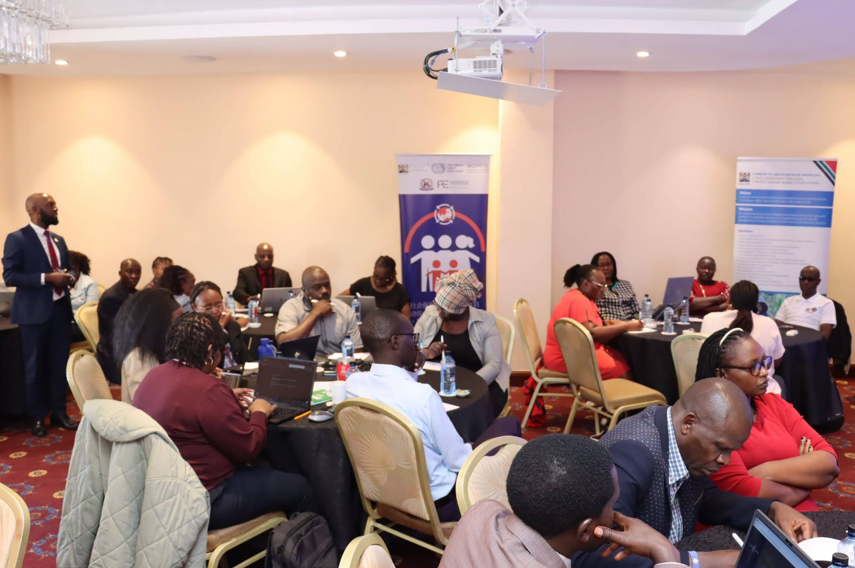
The CECM made the remarks during the close of a two-day stakeholders’ workshop in Nakuru to chart a roadmap for the implementation of the action plan.
She stressed that the action plan was also being crafted to promote social justice, equity, and sustainable development for all residents of the devolved unit.
Riaga explained that the social protection and security system in Nakuru encompassed preventive, promotive, protective, and transformative interventions aimed at ensuring that all individuals enjoy a life of dignity, have access to essential services, and are shielded from economic and social shocks.
The event brought together representatives from the International Labour Organization (ILO), Social Health Authority (SHA), National Social Security Fund (NSSF), Central Organization of Trade Unions (COTU), Federation of Kenya Employers (FKE), and Directorate of Occupational Safety and Health Services (DOSHS), among other stakeholders.
The CECM stressed the importance of ensuring that social protection programmes are implemented in a transparent and accountable manner while noting that strengthened social protection systems are vital in supporting vulnerable groups and promoting inclusive social and economic development.
She pointed out that Kenya’s Social Protection Policy 2023 aims to support vulnerable citizens by providing comprehensive systems that protect their social, economic and cultural rights by focusing on the key pillars of income security, social health protection, shock-responsive social protection and complementarity programmes.
This policy sets out Nakuru County’s commitment to developing an action plan that will guarantee implementation of a comprehensive, integrated and sustainable social protection system that is aligned with the county’s development priorities and realities and the aspirations of its residents, the official added.
Riaga said that strengthening social protection systems remains critical in addressing poverty, vulnerability, and social exclusion, particularly among marginalized populations.
The Constitution of Kenya (Articles 21 and 43) guarantees the right to social security and mandates both national and county governments to uphold the economic, social, and cultural rights of citizens.
The CECM observed that there is a pressing need to harness social protection programmes and systems more effectively to build resilience and improve the response to shocks affecting vulnerable families, including those that are climate-related.
This, she said, “Can help mitigate the detrimental impacts on communities while also reducing the substantial cost of emergency response.”
She noted that a comprehensive approach to social protection for children requires the integration of complementary services such as healthcare, nutrition, and education into cash transfer schemes.
“An inclusive social protection system will help alleviate extreme poverty, reduce malnutrition, and enhance food security for all. Investing in social protection leads to greater stability, reduced vulnerability of children, women and men; increased prosperity; and a more dynamic and competitive society as well as a more resilient and productive workforce,” the CECM affirmed.
Social protection is supported by various legislative frameworks and instruments at global, regional and local levels.
At the global level, such instruments include the Universal Declaration of Human Rights (1948), the Convention on the Elimination of All Forms of Discrimination Against Women (CEDAW), the United Nations Convention on the Rights of the Child (UNCRC), the United Nations Convention on the Rights of Persons with Disabilities (UNCRPWD), the Madrid International Plan of Ageing (2002), ILO Conventions and Recommendations, and the SDGs.
County Executive Committee Member for Agriculture, Leonard Bor, said Governor Susan Kihika’s administration continues to implement programmes aimed at supporting vulnerable households and improving livelihoods through agriculture.
He said the interventions include subsidized farm inputs, irrigation development, livestock vaccination, and youth agribusiness programmes; all geared towards improving food security and building resilient communities.
Outlining the county’s social protection initiatives, Chief Officer for Gender and Inclusivity Gladys Kamuren said Nakuru has continued to expand support services for vulnerable groups, including older persons, children, and persons with disabilities.
She noted that the county has established a home for vulnerable elderly persons in Kivumbini, where 16 senior citizens currently receive care and support under the county’s social welfare programme.
Kamuren said the residents of the Kivumbini home benefit from a range of support services, including shelter, meals, healthcare through the Social Health Authority (SHA), assistance under the Inua Jamii programme, and medical fee waivers whenever specialized treatment is required.
She further disclosed that the county government is in the process of equipping a home for street children in Njoro as part of efforts to strengthen child protection and rehabilitation services.
The Chief Officer noted that the county also continues to implement programmes aimed at empowering Persons with Disabilities (PWDs) by enhancing access to essential services, economic opportunities, and social support initiatives.
Kamuren added that mechanisms for reporting and responding to gender-based violence (GBV) cases have been strengthened to ensure timely intervention and support for survivors while promoting social inclusion and protection of vulnerable groups.
Participants at the workshop underscored the importance of collaboration among government agencies, employers, workers’ organizations, and development partners in expanding social protection coverage and enhancing social security for all residents.
Stakeholders noted that their engagement aligns with global and national efforts to strengthen social protection systems.
The International Labour Organization (ILO) emphasizes that social protection is a basic human right and a key tool for reducing poverty and vulnerability, while the Social Health Authority (SHA) seeks to expand access to affordable healthcare under universal health coverage.
The National Social Security Fund (NSSF), Central Organization of Trade Unions (COTU), Federation of Kenya Employers (FKE), and the Directorate of Occupational Safety and Health Services (DOSHS) also continue to play a key role in promoting income security, decent work, and safe working conditions for workers across all sectors.
The workshop is expected to inform the development and implementation of an inclusive county action plan that will strengthen social protection systems, improve access to essential services, and enhance the well-being of Nakuru residents through sustained stakeholder collaboration.
Through the Ministry of Labour and Social Protection, the government implements the Inua Jamii Programme, which provides cash transfers to older persons, persons with severe disabilities and other vulnerable households.
UNICEF notes that social protection programmes such as cash transfers, health insurance, and social support services help improve access to healthcare and education while reducing the long-term effects of poverty on children and vulnerable households.
According to the World Health Organization (WHO), access to social protection, decent living conditions, education, and economic opportunities are among the key social determinants of health and play a critical role in reducing health inequalities and improving overall well-being.
The International Labour Organization (ILO) maintains that “social security is a basic human right” and regards social protection as an essential tool for reducing poverty and vulnerability.
Stakeholders at the workshop expressed optimism that enhanced collaboration among government agencies, employers, workers’ organizations and development partners will help expand access to social protection services and improve the quality of life for vulnerable populations across Nakuru County.
By Carol Nyakio and Esther Mwangi