At least 99,510 people in Migori County are living with HIV/Aids going by the 2024 statistics, making it the fourth County with the highest number of infections.
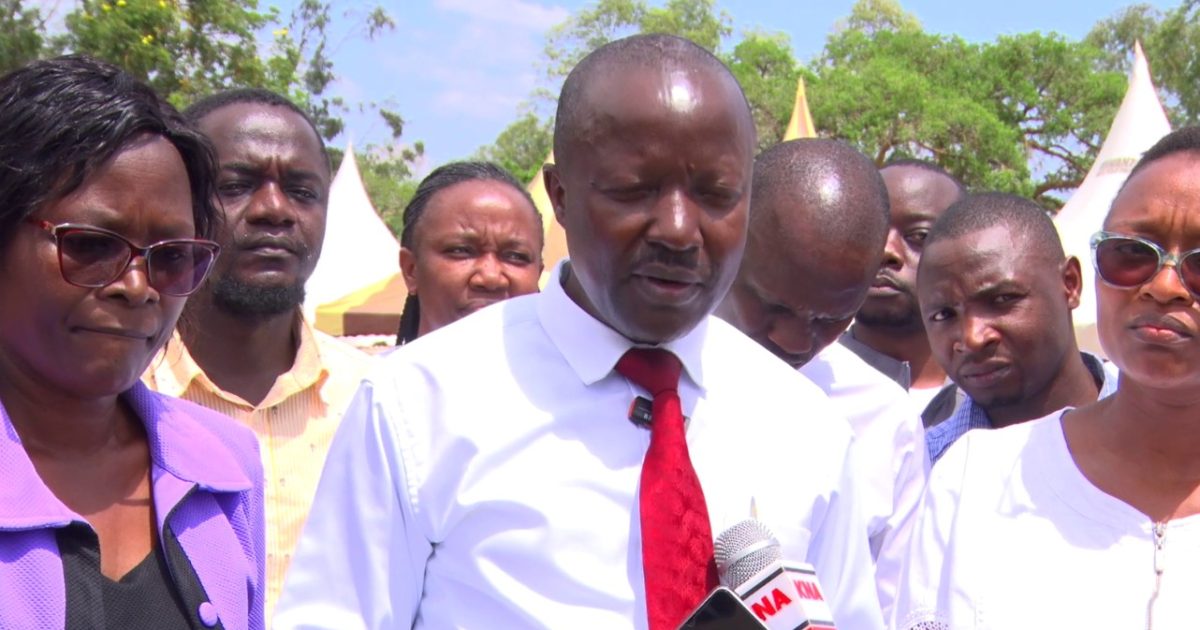
According to the Migori County Executive Committee Member (CECM) for Health, Caleb Opondi, the HIV and Aids annual infection as of 2024 stands at 1,572, making it the second most affected county after Nairobi with new HIV infection cases.
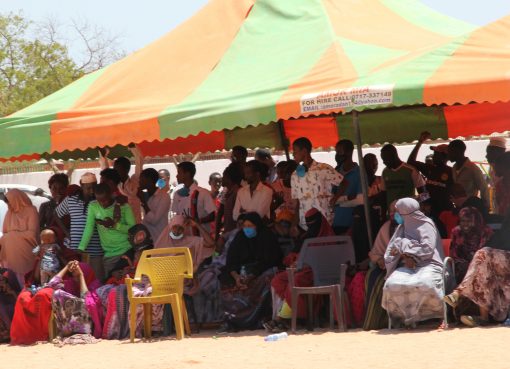
Opondi, who led the county in marking World Aids Day at Masara Primary School in Suna West Sub-County, said that the county also lost 1,041 persons to HIV related cases in 2024.
He However disclosed that 77,114 individuals living positively were on life-saving drugs, a positive indication that the advocacy and sensitising messages were working effectively.
He also acknowledged that they will continue to partner with the education sector through advocacy, sensitisation and civic education to inform the young people who are severely affected by the new HIV infections about the dangers of HIV.
Ms. Eliza Awino, an official from the Migori health department, noted that the new HIV infection has affected young people between the ages of 15-34, a worrying trend that may affect and reshape their bright future.
This year’s World Aids Day theme – ‘Overcoming disruption, transforming the AIDS Response,’ has been tailored to address the concerns of the youth and how best to protect themselves from this menace.
According to the National Syndemic Disease Control Council (NSDCC), County Official. Ms Nelly Asena, the Council will continue to monitor and work closely with all HIV and Aids stakeholders to ensure the new infection, which is mainly contributed by the young people, is drastically reduced.
However, the Centre for Medical Mobilisation Board (CMMB) official Sylvanus Oyugi explained that they have been implementing HIV prevention programmes with the help of the Migori health department.
Oyugi also disclosed that they have been reaching out to the Fisher Fork communities, who have a higher elevation in terms of vulnerability towards HIV infection, with prevention messages through peer educators and biomedical outreaches and HIV testing.
By Makokha Khaoya