African Union member States, Regional Economic Communities (RECs), development partners, and leading research and conservation institutions are calling for sustainable use of marine resources amid a surge in illegal, unreported, and unregulated fishing (IUU)
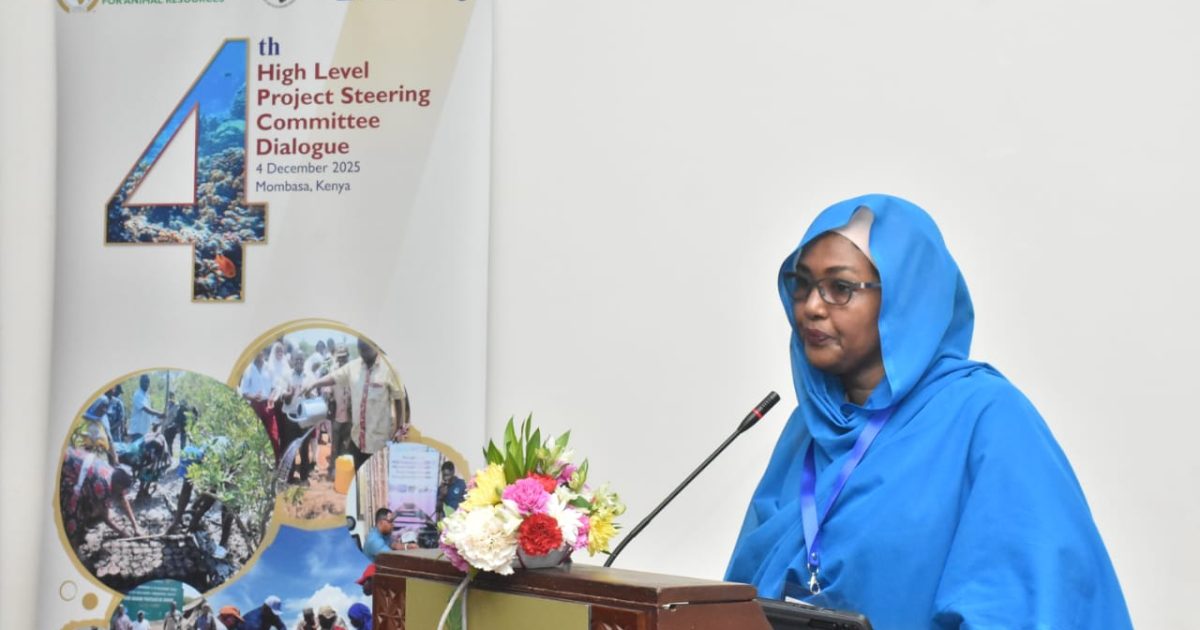
The African Union – InterAfrican Bureau for Animal Resources (AU-IBAR) director, Dr Huyam Salih, said protecting Africa’s rivers, lakes, wetlands and marine ecosystems is not an environmental luxury but an economic and social necessity for sustainable development.
“Overfishing and usage of illegal means of fishing are the biggest concerns, but lack of capacity in different countries has remained a hindrance to the fight against malpractice in the oceans,” said Dr Salih in Mombasa during the Fourth Project Technical Committee meeting organised by AU-IBAR
She added, “The aquatic biodiversity is a strategic pillar for Africa’s food security, climate resilience, employment creation, and economic transformation.”
Dr Salih noted that IUU fishing operations exploit weak Monitoring, Control, and Surveillance (MCS) systems and governance gaps, which are prevalent in many developing coastal nations due to a lack of resources and capacity.
“Without effective surveillance, it is extremely difficult to identify vessels, determine their authorisation status, and enforce regulations. This means illegal fishing vessels can operate with minimal risk of being caught or penalised,” said the AU-IBAR director.
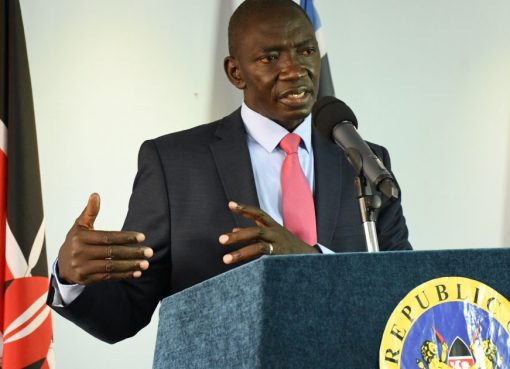
Ministry of Mining, Blue Economy and Maritime Affairs Director of Fisheries and Aquaculture Development, Mahongah Joseph, said that increasing illegal fishing, plastic pollution, and climate change have been cited as the main hindrances to the development of the blue economy, not only in Kenya but also across Africa.
Mahongah said the government has completed the blue economy strategy, which will soon be launched to address the overexploitation of marine resources and address pollution in the Indian Ocean and mitigate climate change.
“We are finalising the editorial bit of the strategy, and it will help in addressing the increasing challenges in the ocean apart from those affecting women and youth who play key roles in various blue economy projects,” said Mr Joseph.
The Common Market for Eastern and Southern Africa (COMESA), represented by Ms Stella Mbabazi, underscored the importance of regional integration for the sustainable management of shared aquatic ecosystems, particularly transboundary lakes, rivers, and marine systems that underpin millions of livelihoods across Eastern and Southern Africa.
Ms Mbabazi emphasised that effective conservation of aquatic biodiversity requires harmonised policies, coordinated enforcement mechanisms, and shared scientific knowledge among Member States.
She further highlighted COMESA’s role in supporting regional trade, sustainable fisheries value chains, and cross-border ecosystem governance, in alignment with the African Union’s Blue Economy Strategy and the African Continental Free Trade Area (AfCFTA).
AU-IBAR fishing management and blue economy expert Mohamed Seisay said AU-IBAR has been working with different countries in the first phase of the project to strengthen institutional capacity to protect ocean resources to fight illegal fishing, mitigate and promote gender steering.
The second phase, which will begin next year, will address issues raised in the first phase by different countries. He also noted that increasing habitat encroachment has also become a threat to marine resources and needs to be addressed.
By Sadik Hassan