By B, KNA
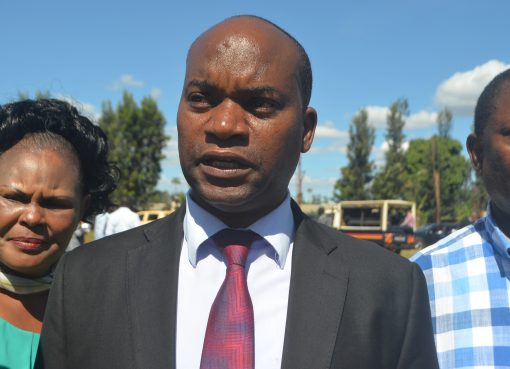
Junior Secondary School (JSS) teachers from Murang’a have protested proposals to reduce capitation for JSS learners and those expected to join senior schools come next year.
Addressing a press conference in Murang’a on Monday, the tutors argued that reduction of capitation will compromise education standards especially in junior secondary schools which currently lack some crucial infrastructure.
They observed that lashing capitation per student from Sh22, 244 annually to Sh15, 042 as it was reported in one of the dailies last week, is a mockery to the education sector.
Led by their chairman Polycarp Muriithi, the teachers asked the Ministry of Education to consider allocating more funds to facilitate implementation of Competency Based Education (CDE).
Capitation, Muriithi said, should be increased instead of planning to reduce the amount which is allocated per student.
“Implementation of CBE should be addressed, and needed resources allocated. The decision to slash the capitation remains unpopular among Kenyans. We also understand that the delay in remittance of the capitation top schools last term affected operations in many schools.”
At the same time, the teachers pleaded with the government to consider employing teachers under internship programmes to permanent and pensionable terms.
They said the teachers’ employer, TSC, had promised to permanently employ the interns after serving for 12 months but that is yet to be.
Gasper Ochieng said TSC should come out and consider the plight of the teachers serving on internship terms, saying they were suffering while teaching in JSS and secondary schools.
He observed that there were 20,000 teachers serving across the country awaiting to be considered by the TSC on permanent terms.
“Teachers under the internship programme earn Sh17, 000, an amount which is meager. The teachers have families to support among other personal expenses. The promise made by the government should be honoured,” said Ochieng.
On medical insurance, Thomas Kimani stated that teachers are yet to agree to be transferred from a private insurance firm to the Social Health Authority (SHA).
Kimani remarked that the decision to transfer the teachers to SHA should be made after conducting public participation. “Why hastily do away with a health scheme that had supported the teachers for years, why rush the transfer without hearing the views of the teachers!” Posed Kimani.