By S, KNA
Busia County Department of Health has received vaccination equipment worth Sh14 million aimed at strengthening immunization services and bringing quality healthcare closer to wananchi.
The medical equipment comprises 148 cold boxes, 189 vaccine carriers, 42,000 Solo Shot syringes, and 22,799 child health booklets supplied to Busia County through the support of the National Government and UNICEF.
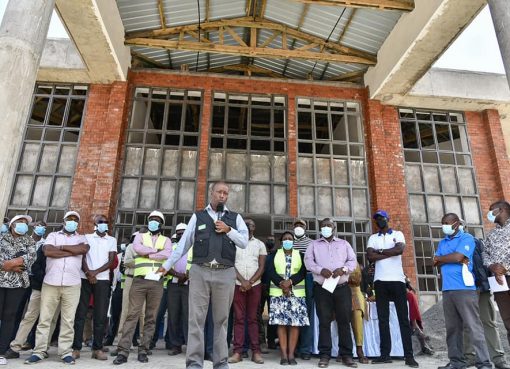
Speaking during the flagging-off ceremony at Busia County Referral Hospital, County Vaccination Coordinator, Juliet Kilima, said the equipment will significantly boost immunization programmes as well as improve child tracing to ensure all eligible children are vaccinated.
“The equipment will be distributed to our 123 vaccination facilities. This is a major step towards ensuring health services reach the people. For children under one year, we are targeting 32,340. For HPV vaccination, our target is 16,213 girls, while for pregnant mothers, we are targeting 32,210,” said Kilima.
She added that the equipment will help address long-standing challenges experienced during vaccination campaigns.
“Previously, shortage of equipment hindered our ability to achieve our targets. With support from the national government and UNICEF, we are now assured that even those in interior and hard-to-reach areas will be served. The cold boxes will ensure vaccines are kept in good condition. We also provide other health services during community outreach, which is improving the overall health status of our people,” she stated.
Busia County Director of Medical Services, Dr. Nina Rabare said the County is still below its vaccination targets but noted that critical interventions are already in place to improve coverage.
“The county’s vaccination rate currently stands at 72 per cent, which is below the target. We are aiming to reach at least 85 per cent to achieve adequate community protection. Anything lower creates gaps that can lead to outbreaks of preventable diseases,” said Rabare.
She urged residents to take their children for vaccination, assuring them that the vaccines are safe.
“I urge parents to take their children for vaccination because it is safe and beneficial. We are confident that this intervention will make service delivery more predictable, available, and reliable,” she added.
Chief Officer for Health, Gibson Wafula, said the donated equipment is valued at approximately Sh14 million, describing it as a critical investment for the county.
“This is an investment in our work, our people, and our future. It will enable us to provide better health services to the community,” affirmed Wafula.
He further noted that Busia faces additional strain due to serving cross border populations thus affecting service delivery.
“We have experienced challenges due to the high number of people we serve from across the border. We are grateful to our partners, including the national government, for their continued support. Investing in service provision will not only improve healthcare but also help boost county revenue,” he said.