By M, KNA
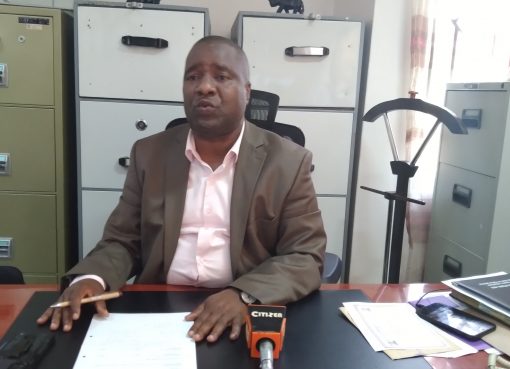
President William Ruto’s 2027 re-election campaign coordinator and Bungoma Governor, Kenneth Lusaka, yesterday led a section of Western Kenya leaders in rallying support for the president’s second-term bid in Kakamega County.
The pro-Ruto leaders spoke during a boda-boda empowerment funds drive at Musembe area, Chekalini Ward in Lugari Constituency, vouching for the president and affirming that the Western Kenya region will fully back his re-election campaign.
The team emphasized that the president’s re-election will be based on his development
record, highlighting initiatives implemented not only in Western Kenya but across the country.
They dismissed the united opposition as a disoriented outfit lacking a coherent development agenda for Kenyans.
Governor Lusaka said, “We are not supporting President Ruto because of empty rhetoric; we are supporting him because of what he has delivered for this country and our region.”
He reminded Kenyans that, although the president inherited a struggling economy burdened with debt from the previous regime, he has steered the country towards economic recovery through fiscal discipline, infrastructure development, and targeted social programs.
Lusaka further stated that Western Kenya leaders, including those from Kenya Kwanza and the opposition, are collaborating to ensure the president is re-elected, noting that many have benefited from government initiatives.
“As regional coordinator, I am working to bring on board even those with divergent political opinions so that we can speak with one voice. Pooling our votes together strengthens the bargaining power of the Mulembe nation,” he said.
Kakamega Deputy Governor, Ayub Savula, deputy coordinator of the re-election campaign, emphasized the need for stronger Luhya unity ahead of 2027, noting that supporting President Ruto provides a more realistic path to regional and national progress.
“Our unity must be driven by development. Supporting President Ruto is a better bet for the Mulembe nation than aligning with a fragmented opposition,” he said.
Kiminini MP, Kakai Bisau, praised President Ruto for fostering national cohesion and advancing development initiatives, stating he should be given a second term to consolidate gains.
Teso South MP, Mary Emase, affirmed full support for the president, citing his development agenda and ability to advance the country.
“We shall rally the Western Kenya region behind him, not just politically but because of beneficial projects like Affordable Housing and the Social Health Authority,” she said.
Vihiga Woman Representative, Beatrice Adagala, and her Trans Nzoia counterpart, Lilian Sioyi, also pledged to intensify mobilization across the region to ensure massive support for President Ruto in 2027.