Female Genital Mutilation (FGM) champions and stakeholders in Wajir County have renewed efforts to protect girls and women from harmful practices through community awareness, advocacy and dialogue.
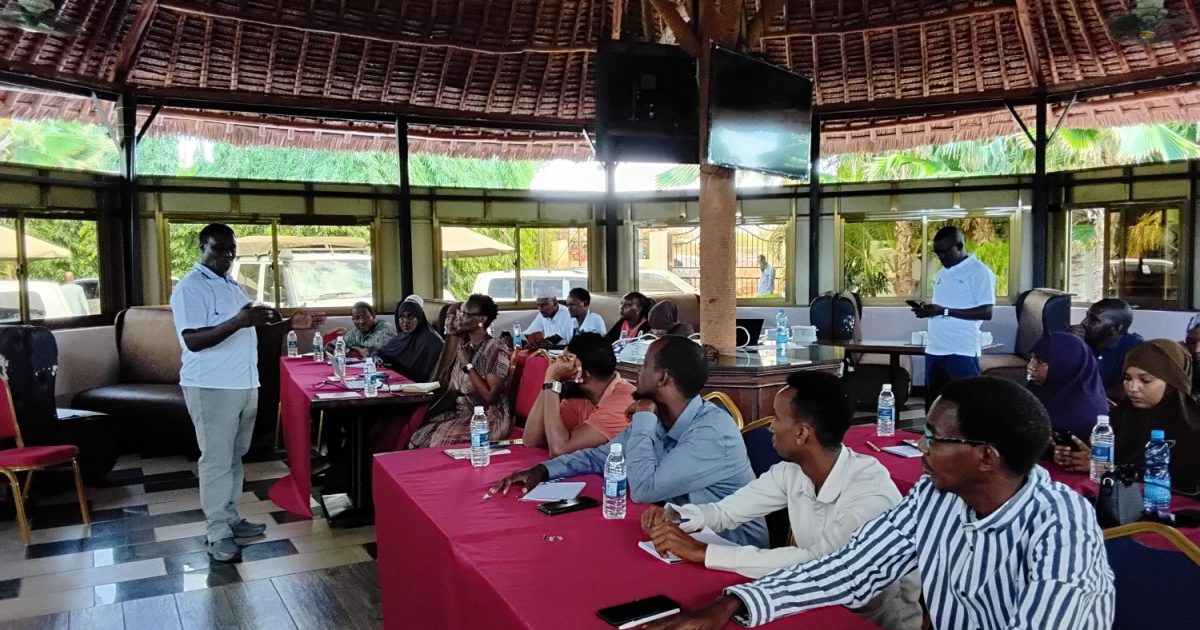
The stakeholders, drawn from the national government, women and youth groups, the media, elders, opinion leaders and other community representatives, met in Wajir to strengthen community-led efforts towards ending FGM, teenage marriage, adolescent pregnancy and gender-based violence (GBV).
The engagement focused on the health and social consequences of FGM, including complications during childbirth, risks to the physical and psychological well-being of girls and women, and the impact of harmful practices on girls’ education and future opportunities.
Veteran nurse Hindia Ahmed said the county has conducted numerous sensitisation campaigns against FGM but the practice remains widespread.
“In Wajir the prevalence is 97 per cent. We have always been fighting FGM. We have had so many campaigns against it,” she said.
Ahmed said sustained community engagement was necessary to address social attitudes that continue to expose girls to FGM, adding that bringing different stakeholders together would help strengthen efforts to protect girls.
Halima Bochola, founder of the Pastoralist Women Network Initiative (PAWONI), said discussions with community stakeholders had highlighted the health consequences of FGM.
She said the effects include severe bleeding, infections, prolonged pain, complications during childbirth and psychological trauma.
“Starting from the cut, the girl can bleed so much and it can even lead to death,” Bochola said, adding that women who have undergone FGM can also face complications during pregnancy and childbirth.
She said the focus should now be on strengthening community action and ensuring girls at risk are protected from the practice.
The stakeholders committed to take a leading role in community awareness, advocacy and prevention activities aimed at eliminating FGM and other harmful practices in the county.
The engagement was held under the Future4Binti programme, a five-year initiative running from 2026 to 2030 in Kenya, Ethiopia and Somalia to prevent FGM and teenage pregnancy, early and forced marriage while strengthening girls’ rights, healthcare, protection systems and community-led change.
Kenya Alliance for Advancement of Children Programme officer Francis Wanjohi said the programme seeks to strengthen community resilience and promote social transformation by increasing protection for girls and young women from FGM and child marriage.
“The Future4Binti Programme reflects a shared vision and commitment among partners and stakeholders to create safer, healthier, and more inclusive communities where every girl has the opportunity to thrive free from harmful practices and discrimination,” he said.
Kenya outlawed FGM under the Prohibition of Female Genital Mutilation Act, 2011.
The Future4Binti programme says lasting change requires collaboration with parents, elders, teachers, young people, community organisations and other stakeholders, alongside stronger healthcare and protection services for girls at risk and survivors.
The Wajir stakeholders said sustained community engagement, education and coordinated action would be necessary to accelerate efforts to end FGM and protect girls from its health and social consequences.
By Hamdi Buthul