The number of people dying from tuberculosis (TB) globally declined by four per cent in 2025, but progress towards the 2030 targets remains slow, according to the World Health Organization (WHO).
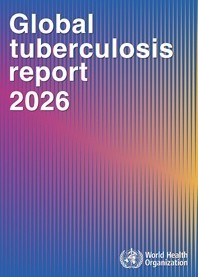
The WHO Global Tuberculosis Report 2026 estimates that 1.13 million people died from TB in 2025, down from 1.18 million in 2024, representing a 35 per cent reduction from the 1.74 million deaths recorded in 2015.
The reduction marks the first major milestone of the WHO End TB Strategy, although it was achieved five years later than the initial 2020 target.
Despite the progress, the Report warns that the global target of reducing TB deaths by 90 per cent by 2030 remains distant.
An estimated 10.6 million people developed TB in 2025, almost unchanged from 2024, while the global incidence rate declined by 1.6 percent, from 131 to 129 cases per 100,000 people.
This represents only a 14 per cent reduction from the 2015 baseline, against the strategy’s target of a 50 per cent reduction by 2025.
The Report identifies 30 high-burden countries as accounting for 88 per cent of new TB cases globally, with India contributing approximately a quarter, followed by Indonesia, the Philippines, China, Pakistan, Nigeria, the Democratic Republic of the Congo and Bangladesh.
Kenya is among the 30 countries classified as having a high TB burden, despite progress in diagnosing and treating more than 90,000 cases annually and reducing incidence and mortality rates.
Men accounted for 54 per cent of people who developed TB in 2025, women 35 per cent and children 11 per cent.
TB remains the world’s leading cause of death from a single infectious agent and ranks 13th among all causes of death.
TB-related deaths declined by 50 percent in the WHO African Region and 51 per cent in the European Region between 2015 and 2025, representing the strongest regional progress.
WHO Director-General, Dr Tedros Adhanom Ghebreyesus, said the continued decline in cases and deaths was encouraging, particularly amid funding cuts experienced by many countries.
He, however, warned that more than one million people continued to die annually from a preventable and treatable disease, calling on governments and development partners to expand access to TB services, protect essential funding and accelerate the development of new tools.
The Report shows that funding for TB prevention, diagnosis and treatment in low- and middle-income countries increased to USD 6.6 billion in 2025, from USD 6.0 billion in 2024, but remains far below the annual target of 22 billion dollars by 2027.
Domestic funding rose from USD 4.9 billion to USD5.63 billion, while international donor contributions declined by 14 percent, from 1.1 billion dollars to 940 million dollars.
The WHO cautions that although most countries reporting funding reductions had not experienced clear disruptions to diagnosis and treatment services in 2025, the effects could emerge later.
Globally, 8.4 million people were diagnosed with TB in 2025, representing 79 per cent of the estimated number of people who developed the disease. Of those diagnosed, 59 percent were initially tested using rapid diagnostic tests, up from 54 percent in 2024.
However, significant gaps remain in the management of drug-resistant TB, with only 155,333 people receiving treatment for rifampicin-resistant TB, representing 42 per cent of the estimated 370,000 people who developed the condition.
Access to shorter treatment regimens improved, with 42 percent of patients receiving six-month regimens, compared with 18 percent in 2024.
On prevention, 5.2 million people at high risk of developing TB received preventive treatment in 2025, including 3.7 million household contacts of TB patients and 1.5 million people living with HIV.
Dr Tereza Kasaeva, Director of WHO’s Department for HIV, Tuberculosis, Hepatitis and Sexually Transmitted Infections, said the milestone in TB demonstrated what could be achieved through political commitment and sustained action, but millions of people still lacked access to prevention, diagnosis and treatment services.
The report identifies poverty, undernutrition, diabetes, alcohol consumption, smoking and HIV infection as major factors contributing to TB.
It also notes that the economic burden remains high, with approximately half of affected households spending more than 20 per cent of their annual income on TB-related costs.
Meanwhile, research into new TB vaccines is progressing, with 12 candidates undergoing clinical development as of August 2026, including three in Phase Three trials.
The WHO says accelerating progress will require stronger political commitment, increased domestic financing, expanded access to prevention, diagnosis and treatment, and investment in new technologies to end the global TB epidemic.
By Wangari Ndirangu