The Nakuru County Government has stepped up efforts to address mental health challenges among public officers, aimed at promoting workplace harmony, employee well-being, and effective service delivery.
The initiative aims to build a supportive working environment through which staff can resolve conflicts amicably, support one another, and improve service delivery.
Through the Department of Public Service Management’s Special Programmes, Counselling and Wellness Unit, the county is strengthening employee sensitisation and counselling initiatives to equip public officers with skills to manage stress, resolve workplace disagreements and support colleagues experiencing psychological distress.
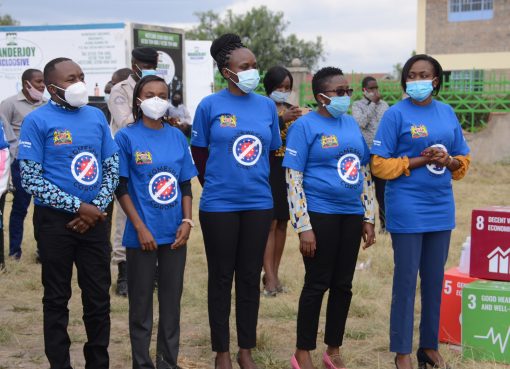
The latest sensitisation exercise was held in Kuresoi South Sub-County, bringing together wards and sub-county administrators, departmental and sectional mental health champions, as well as other public officers.
The discussions, led by County Psychologist and Head of Special Programmes, Counselling and Wellness Unit, Teresia Nyatich, centred on the importance of looking out for one another, maintaining healthy working relationships, and resolving disagreements through dialogue rather than confrontation.
“Mental health and peaceful coexistence in the workplace are essential in ensuring a productive and effective workforce,” she stated.
She urged public officers to understand that supporting one another, listening to colleagues, and resolving distresses amicably are important in creating a healthy working environment.
Nyatich emphasised the need for public officers to cultivate a supportive working environment through which colleagues can openly address their challenges, demonstrate empathy, and promote mutual respect.
Participants were reminded that creating a peaceful and conducive workplace is a shared responsibility, requiring every employee to play an active role in promoting understanding, tolerance, and teamwork.
The initiative comes amid growing recognition of mental health as an important component of employee welfare and organisational productivity.
The World Health Organization (WHO) recognised mental health as an essential part of overall well-being, which enables individuals to cope with life’s stresses, work productively, and contribute meaningfully to the host society.
Further, the WHO also warns that poor working relationships, excessive workloads, discrimination and inadequate workplace support can negatively affect employees’ mental health, calling on employers to establish supportive environments where workers can access appropriate psychological help when need be.
The Ministry of Health (MOH) has also stepped up efforts to address mental health challenges through the National Guidelines on Workplace Mental Wellness launched in September 2023.
The guidelines provide a framework for promoting psychological well-being, preventing mental health conditions, and ensuring employees can access appropriate care and support.
Nyatich reaffirmed that the Nakuru County Government has continued to strengthen workplace counselling, stress management, and mental health awareness through its counselling and wellness unit, while encouraging supervisors to identify employees experiencing psychological distress and facilitate appropriate support.
The county has also invested in mental healthcare services across its health facilities, including specialised inpatient and outpatient services and training healthcare workers to improve the identification and management of mental health conditions.
This engagement is part of the county’s broader efforts to build a healthy and supportive public service where employees feel valued, respected and empowered to perform their duties effectively.
The county is banking on sustained workplace sensitisation and counselling interventions to strengthen staff relationships, minimise conflicts and create an environment where public officers can thrive both professionally and personally.
The initiative reinforces the message that mental health is a collective responsibility and that building a peaceful workplace begins with individual actions, mutual understanding and a willingness to support one another.
By Omoke Evans