The government is pushing institutions of higher learning to adopt foreign education curricula as part of a broader strategy to make Kenyan graduates more competitive in international job markets and ease their transition to overseas employment.
The Principal Secretary for the State Department for Labour and Skills Development, Shadrack Mwadime, said the move aims to align local training with global labour demands, particularly in countries facing acute workforce shortages such as Germany, Canada, Italy, Britain, and the United States.
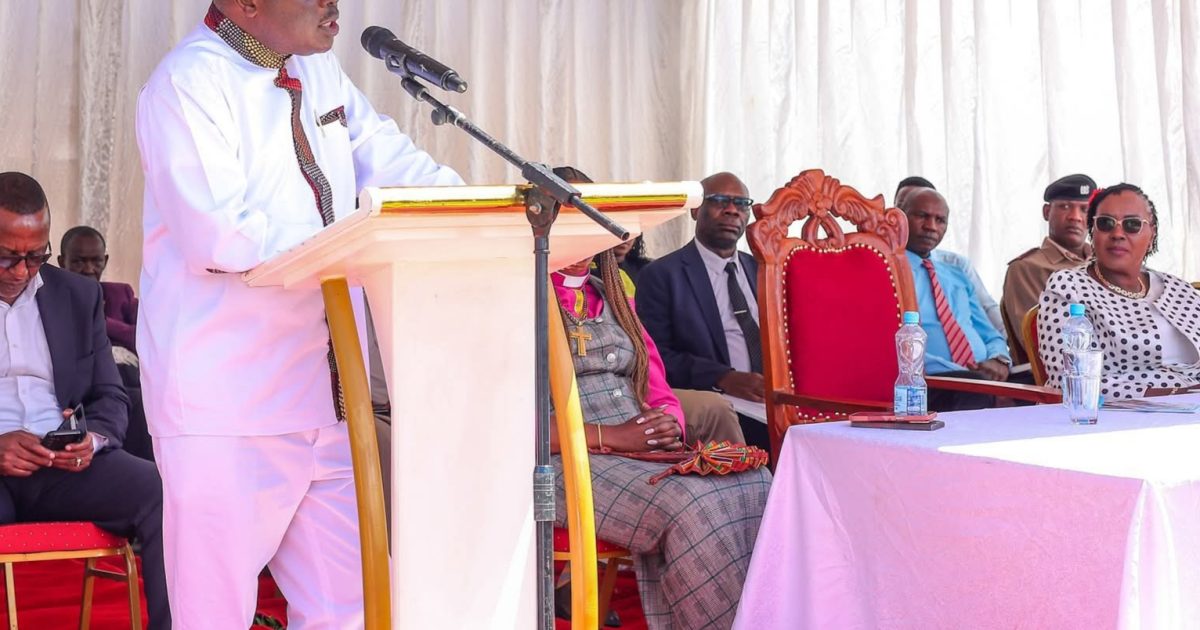
Speaking in Thika, Kiambu County, during the inauguration of Chania Medical Training College yesterday, Mwadime said his ministry is engaging training institutions to integrate internationally recognized curricula that will allow graduates to secure jobs abroad without facing bureaucratic or certification bottlenecks.
“We are encouraging colleges and universities to adopt curricula used in destination countries so that our graduates can easily transition into employment opportunities overseas. This includes embracing German, Canadian, Italian, and British training models, alongside language preparation, to enhance adaptability and employability,” he said.
The PS cited Mount Kenya University (MKU) as a model institution, noting that its School of Nursing follows the German curriculum, a move that has seen several graduates secure employment and apprenticeship opportunities in Germany.
He added that the government is also promoting the teaching of foreign languages within training institutions to better prepare students for life and work abroad, saying language proficiency is a key requirement for successful labour mobility.
Mwadime said Kenya is leveraging bilateral labour agreements with countries such as Germany, Canada, and the United States to create structured pathways for skilled workers, especially in critical sectors like healthcare.
He noted that the government is promoting circular migration, where Kenyans work abroad for a defined period before returning home to invest, transfer skills, and create opportunities locally.
“This is not about exporting labour permanently. We want our young people to gain experience, earn income, and return after four or five years to contribute to national development,” he said.
Chania Medical Training College Founder and Director Mary Kamau said the institution is committed to aligning its programmes with international standards to ensure graduates meet both local and global expectations. She said the college is ready to partner with the Ministry of Labour to provide relevant training, certification, and pre-departure support for students seeking employment abroad.
Health sector consultant James Njihia said global demand for skilled health professionals is rising due to ageing populations, adding that Kenya is well-positioned to benefit if its training systems remain globally aligned.
By Muoki Charles