The Kenyan Government and the private sector have underscored the need for Africa to strengthen its commodity value chains to enhance global competitiveness and boost earnings for farmers and economies.
Speaking during a high-level forum in Nairobi, the Cabinet Secretary (CS) for Environment, Climate and Forestry, Dr. Deborah Barasa emphasized that Africa must move beyond exporting raw commodities and instead focus on value addition to products such as coffee, tea and cocoa.
“Africa has immense potential in agriculture, but we must shift from being primary producers to global leaders in value-added commodities,” she urged, noting that this transition would significantly increase the continent’s share of global earnings.
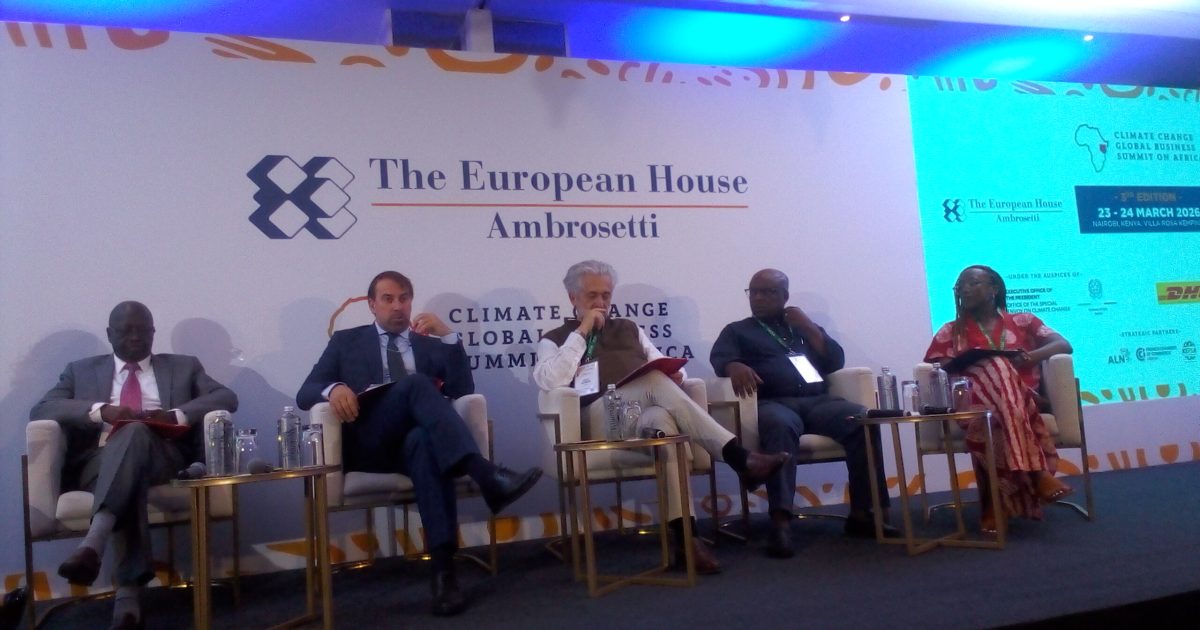
The session, themed ‘Strengthening Africa’s Commodity Value Chains: From Production to Global Market Leadership’, brought together policymakers, development partners and private sector players to explore ways of improving productivity, sustainability and market access.
Notably, Dr. Barasa highlighted the importance of adopting technology and sustainable practices to improve supply chain efficiency and transparency.
She pointed out that digitization and traceability systems can help African producers meet international standards while building trust with global buyers.
In remarks delivered on her behalf by Director of Environment Policy, Research and Regulations Wangari Kirumba, the CS further called for increased investment in climate smart agriculture to enhance resilience among farmers in the face of climate change.
“Our farmers are at the frontline of climate impacts. We must equip them with the right tools, financing and knowledge to adapt and thrive,” she added.
In the meantime, the session, moderated by Rosa Nduati Mutero, an Advocate of the High Court of Kenya, stressed the need for collaborative approaches between governments, private sector and development partners to unlock Africa’s agricultural potential.
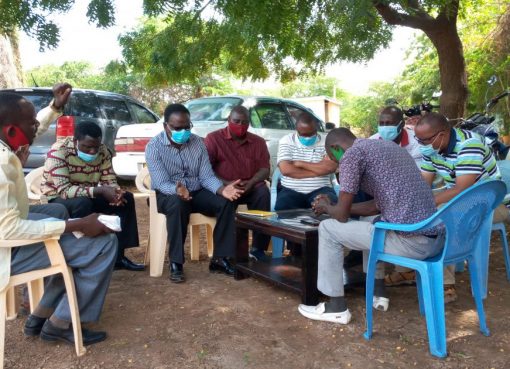
To this regard, Baringo County Governor Benjamin Cheboi noted that county governments play a critical role in supporting farmers through extension services and infrastructure development.
“We must empower farmers at the grassroots level by improving access to markets, financing and modern farming techniques,” he rallied.
On the other hand, Marco Rusconi, Director of the Italian Agency for Development Cooperation, emphasised the role of international partnerships in driving sustainable agricultural transformation, noting that development cooperation can support innovation and capacity building across value chains.
On his part, Luca Alinovi CEO & Founder at Aflabox highlighted the importance of logistics and supply chain solutions in reducing post-harvest losses and ensuring products reach global markets efficiently.
“Efficient logistics systems are key to unlocking value for farmers and ensuring competitiveness in international markets,” he explained.
In his remarks, Mwangi Wamae, a member of the Board Finance and Investments Committee as well as the Board Audit and Risk Committee and the Director at Mount Kenya Investment Limited called for leveraging technology to enhance transparency and traceability in commodity trading, adding that digital platforms can connect farmers directly to buyers and improve pricing.
Concurrently, Teresa Mbagaya a Principal at Omidyar Network underscored the need to integrate social impact into value chain development, particularly in supporting smallholder farmers and vulnerable communities.
She observed that inclusive growth strategies are essential to ensure that the benefits of value addition are shared equitably.
Meanwhile, participants also stressed the importance of meeting global quality, certification and sustainability standards to access premium international markets, noting that compliance remains a major barrier for many African producers.
The forum concluded with a call for coordinated efforts to strengthen policies, investments and partnerships aimed at transforming Africa’s commodity sectors into globally competitive and sustainable industries.
By Celestine Lomolijah