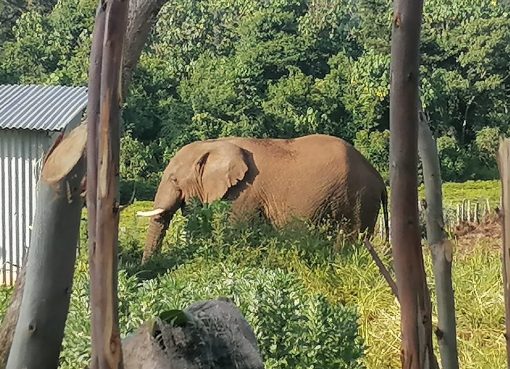
As Kenya celebrates 62 years of independence with the theme ‘Tourism and Wildlife’, highlighting Kenya’s pride in its rich tourist attractions and diverse wildlife heritage. Baringo famed as a county of great diversity welcomes Kenyans to witness nature’s wonders that can never be experienced anywhere else.
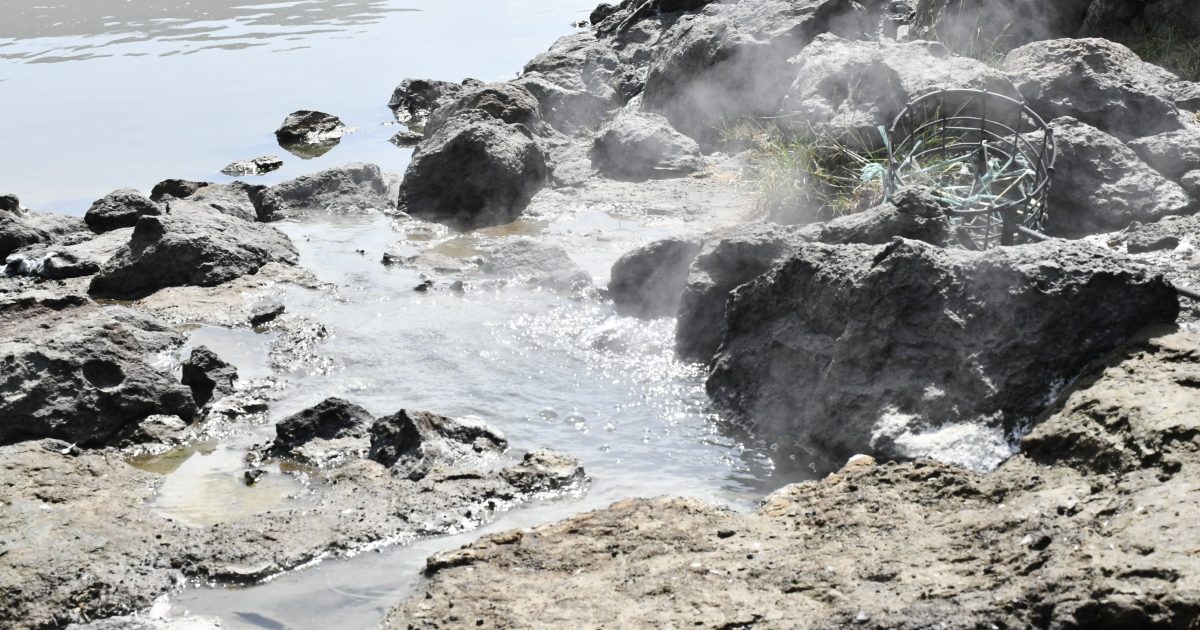
From the geological features of geysers and hot springs of Lake Bogoria and Releng’ Springs, where you get to boil eggs with hot water percolating from the earth’s surface while watching and listening to the honking and growling of flamingos, one would feel exceptionally exhilarated.
If perhaps the pink- and grey-coloured lesser and greater flamingo species moving in a zigzag file never mesmerise you, then you are invited to swim in the warm waters from the hot springs as you watch the bigger than human bird, the ostrich, and close to 400 other bird species that call Baringo home.
And if you don’t watch while driving you may crash over a tortoise that always crosses the Nakuru-Marigat Highway at their characteristic slow pace. Zebra, greater Kudu are nature’s wild variety that blends the thorny thickets of the County.
Michael Kimeli, the warden at Lake Bogoria National Reserve, says the game reserve welcomes Kenyans from all walks of life to tour the park, especially in this festive season, to witness firsthand the wonders of nature.
Kimeli says the lake is currently hosting up to 400,000 flamingoes, which peaks from August to March every year, before they head to Lake Natron for breeding.
The Reserve was established in 1973 and is 107 square kilometres, hosting both the Lake, the wild animals and the communities in a rare show of peaceful co-existence between wild geological features and animals, as well as human population.
The community offers service in local hotels and supplies seasonal fruits, including mangoes, as well as Baringo’s trademark sweet goat and organic honey, creating a mutually beneficial symbiotic relationship with the tourism activities around them.
A few meters from this hot salty lake is a freshwater Lake Baringo that boasts of crocodiles, hippopotamus and several species of fish, these two lakes are recently threatening to embrace each other as their waters swell every year, perhaps a geological phenomenon that will be spectacular and interesting to witness, should it happen in our tie.
At Lake Baringo, there are several islands inhabited by the Ilchamus community and you would occasionally find women from the community fishing using a traditional boat named ‘Kaldich’ or children going to school using a boat.
The fundamental ingredient in preservation of this nature is the peaceful co-existence between the community and the wildlife. Except for snake bites occasioned by the reptiles wandering into the homesteads, you would rarely hear of human-wildlife conflict in this county.
These communities have come together under community led conservancies, where they get to reap from the wildlife within their localities.
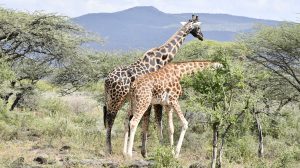
One such successful initiative is the RUKO Conservancy on the eastern shores of Lake Baringo, where the community lives with over 42 Rothschild giraffes.
Two communities, Ilchamus of the Rukus and Pokots from Komolion, who stole cattle from each other using guns, chose to embrace peace and conserve the wild. This has brought them more returns than the war they engaged in, because they have been trained and their children employed in the conservancy.
James Kipkurui, the manager at Ruko Conservancy, says the conservancy has partners that are funding camera trap projects, where they have set up cameras near homesteads to capture wild animals.
“If a wild animal is captured near a homestead, the owner is paid some amount, and this strategy has made the community embrace wildlife,” says Kipkurui.
Kipkurui welcomes visitors to the conservancy, saying they will go with memories they will never forget.
Not far from the shores of Lake Baringo on the foot of Tugen Hills, lies the home of the remains of one of the oldest human fossils recovered, that is the Orrorin Tugenesis, who is estimated to have lived six million years ago.
The amazing hills and terrain also have a story to tell, as for the last twenty years they have been home to motorsport lovers, with Rhino Charge event being hosted in Baringo, a record seven times.
As the festive season beckons, events to showcase this scenic county are abundant; a few days into Christmas is the annual Kimalel Cultural Fair and goat auction, a tradition that was established by the country’s second president, Daniel Toroitich Arap Moi in the early nineties.
It opens with boat race at Lake Baringo where the three communities of Ilchamus, Tugen and Pokot come together to showcase their prowess in wading through the lake’s waters in different types of vessel and culminates with a goat auction that provides sweet goat meat for the festivities.
With all these beautiful nature stories it’s not a mistake or accident that the pursuit for UNESCO World Heritage Site (Geopark) is a very realistic dream from Baringo.
Once granted it will be Kenya’s first and Africa’s third after M’Goun in Ghana and Ngorongoro-Lengai in Tanzania.
By Christopher Kiprop