Base Titanium Limited has assured stakeholders of its commitment to environmental restoration, noting significant progress in the rehabilitation of mined-out areas in Kwale county, following the closure of its mining operations in December 2024.
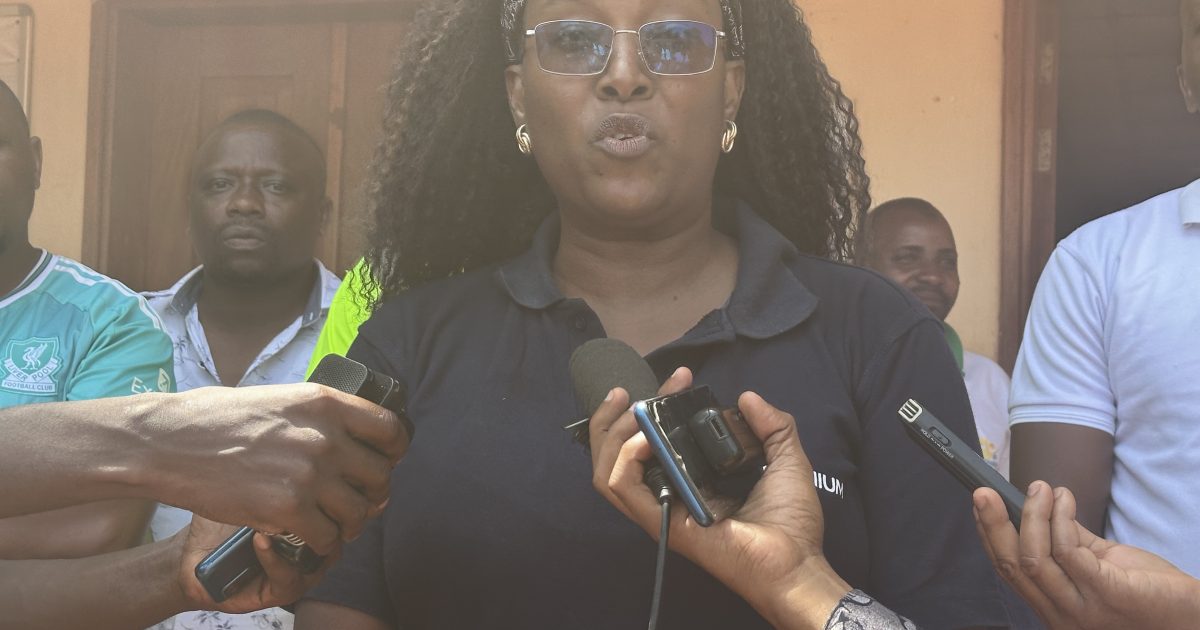
Speaking during a post-mining media tour of the company’s operations in the area, Base Titanium General Manager for External Affairs, Melba Osuna, said the rehabilitation exercise was being undertaken as both a legal and ethical obligation.
Osuna said the company is committed to ensuring transparency, thus the need to invite journalists and youth information champions from surrounding villages to observe ongoing rehabilitation activities across all mined-out zones including the Central, South and North Dunes as well as the Bumamani area.
The manager noted that while rehabilitation is at different stages across the dunes, all mined-out areas have now been fully planted.
“All mined-out areas are 100 per cent planted, which is a major milestone for us. Some areas such as the South Dune are already fully rehabilitated, based on our scientific assessments, while others are still in early stages and require more time,” she said.
According to Osuna, post-mining land rehabilitation typically takes about two rainy seasons, but the company will continue monitoring the sites beyond that period to ensure long-term environmental sustainability.
She noted that the rehabilitation programme largely involves the use of indigenous trees, grasses and plants to restore the land to its original state, except for the Tailings Storage Facility (TSF), where eucalyptus trees have been planted to support water management efforts.
Osuna revealed that about 250,000 eucalyptus trees have so far been planted at the TSF, adding that the company is also implementing measures to accelerate water decanting at the facility.
The manager further noted that the return of wildlife, including baboons, buffaloes, birds and butterflies, was a positive indicator of ecosystem recovery.
“Animals go where the environment is clean, and the return of biodiversity is a strong sign that rehabilitation is progressing well,” she said.
Beyond environmental restoration, Osuna highlighted the company’s legacy infrastructure including the Mukurumudzi dam, access roads, administrative buildings, training centres and staff camps, which were established to support mining operations.
She said the Mukurumudzi dam has already been handed over to the Coast Water Works Development Agency, while the remaining infrastructure will be transferred to the government in line with the Post-Mining Land Use Report launched recently by the Mining CS, Ali Hassan Joho.
The report, developed through extensive stakeholder engagement at both county and national levels, outlines recommendations on the management and utilization of assets after mining.
Osuna said Base Titanium is working closely with the Ministry of Mining to ensure a smooth handover process and a sustainable post-mining future for Kwale County.
By Chari Suche