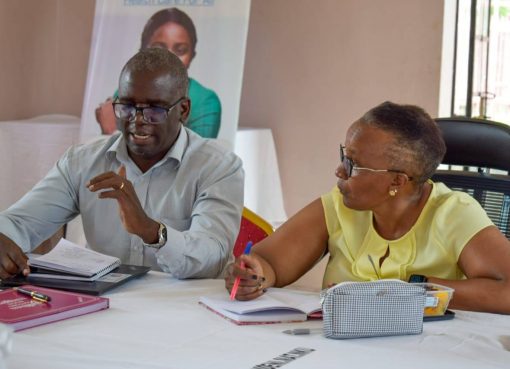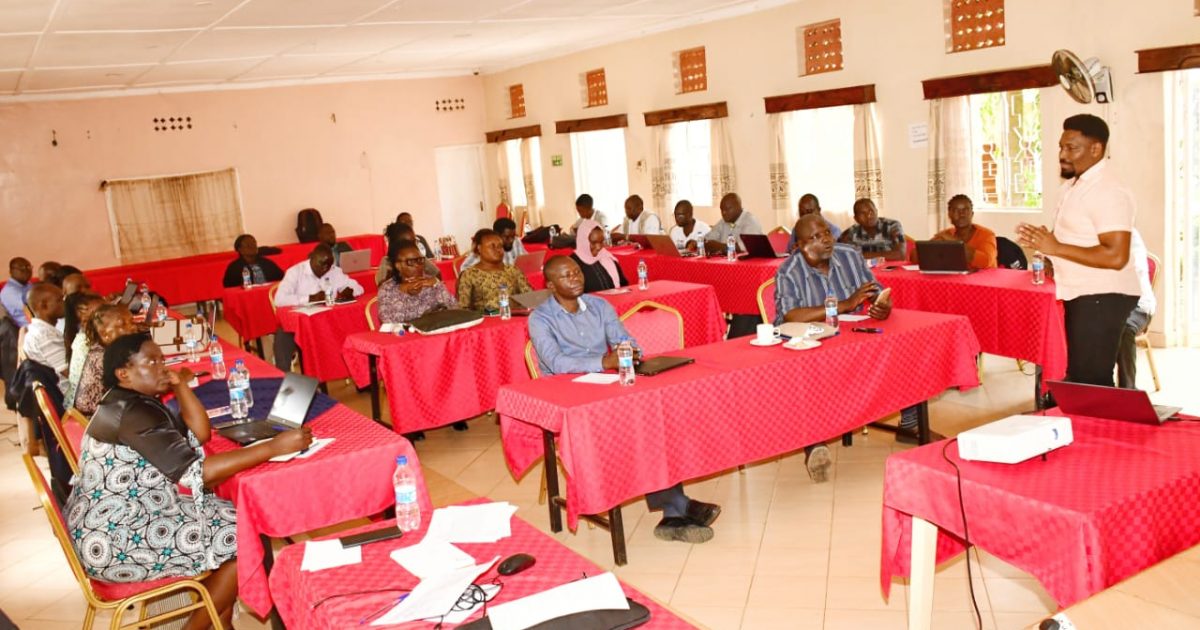
Busia has held communication health risk sensitisation with the County Health Management team to address the increased cases of Mpox within the county.
Speaking during the sensitisation forum, the Busia County Disease Surveillance Coordinator Evans Shiraku disclosed that the region is the second worst hit in the country with 56 Mpox cases.
“Current national data reveals that Kenya has reported 226 confirmed Mpox cases spread across 13 counties.
Busia County has emerged as the second-worst affected region nationally, recording 56 confirmed cases to date. The outbreak has resulted in two deaths, while two patients are currently hospitalised. Eight others are receiving home-based care,” he said.
Shiraku also disclosed that out of the confirmed cases in the county, 53 are Kenyan nationals, while three are from neighbouring Uganda.
“According to the data on case distribution as per the sub-counties, Matayos bears the heaviest burden at 25 cases, followed by Teso North with 19 and Nambale with a single case,” he added.
He further stated that the youth are the most affected according to the data, with 20 cases aged 20-29 years.
“The report indicates that in the age brackets of the affected people, the 30-39 age bracket recorded 16 cases, 40-49 years nine, while the 10-19 years’ bracket recorded four cases. From 1 to 9 years, there were five cases and 50-59 years, one case,” he said.
The official further said that on the occupational analysis of the affected individuals, the report provides transmission patterns within the community.
“Business operators lead with 17 cases, followed by students at eight cases, truck drivers at five cases, and sex workers at four. Salon workers had three cases, while single cases have been recorded among teachers, farmers, and motorcycle taxi operators, with 15 cases categorised under other occupations,” he further revealed.
He said the report listed women to be the most affected, with a total of 29 cases being female and 26 male.
The pattern, Shiraku added, reflects broader epidemiological trends observed in similar outbreaks and highlights the need for gender-sensitive prevention and treatment approaches.
By Salome Alwanda and Rodgers Omondi