Millions of Kenyans struggle to afford minimally nutritious diets as the country faces the triple burden of malnutrition, undernutrition, micronutrient deficiencies, and overweight/obesity.
According to the 2022 Kenya Demographic and Health Survey (KDHS), 1 in every 5 children (18 percent) under five are stunted, 1 in every 10 children (10 percent) are underweight and 3 in every 100 children (3.2 percent) in Kenya are either overweight or obese, while 42 percent of pregnant women experience iron deficiency anaemia.
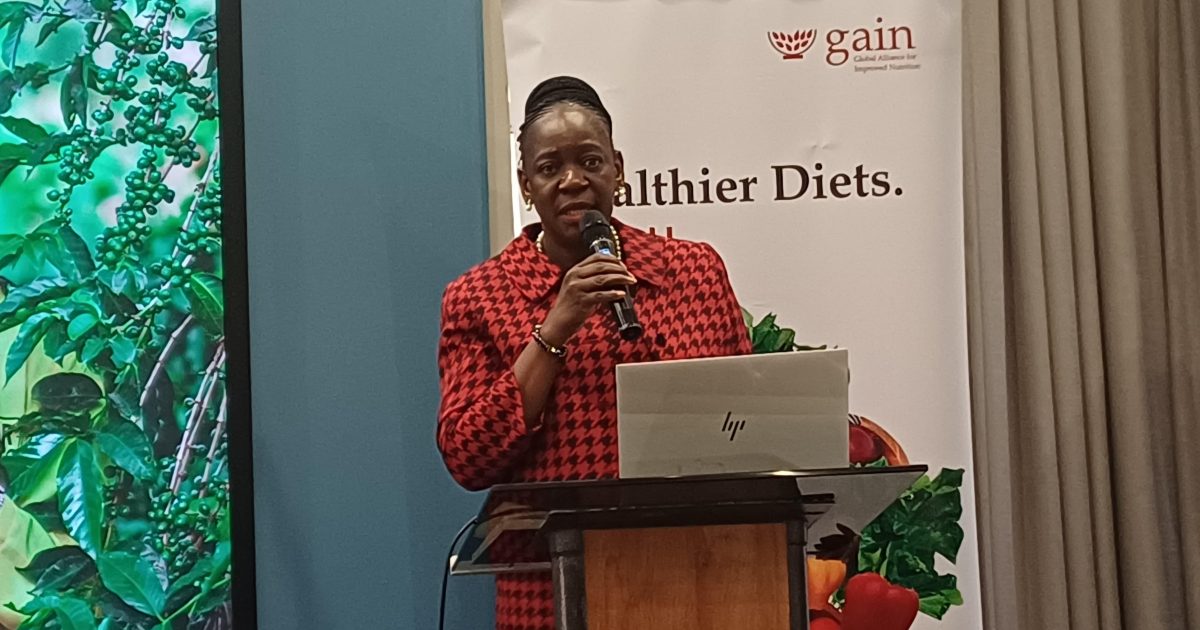
The Head of the Division of Nutrition and Dietetics at the Ministry of Health, Veronica Kirogo, while speaking during a media roundtable breakfast meeting at a Nairobi hotel, said that good nutrition is the foundation for health, productivity and economic growth as it reduces healthcare costs and boosts productivity.
Kirogo emphasised the need for changing food consumption patterns to healthy eating habits since less nutritious foods lead to obesity and overweight and other diet-related Non-Communicable Diseases (NCDs) such as cancer, diabetes and hypertension.
The head of Nutrition said according to the 2022 KDHS, only 49 percent of women consume minimum dietary diversity (5/10) food groups, 70 percent consumed sweet beverages while 35 percent consumed unhealthy foods.
“Only 5 percent of adults consume the WHO recommended daily five servings of fruits and vegetables per day. The average fruits and vegetables intake is at 2 percent,” she said, adding that 19 percent of adults have no fruit and vegetable intake per day
Kirogo said that the country is estimated to have lost about Sh373.9 billion, equivalent to 6.9 percent of our GDP to economic and social impact of malnutrition, noting that the huge loss implies that there was need for concerted multi-sectoral efforts to address malnutrition.
“Malnutrition is robbing Kenya of its health, productivity and future. Let us prioritize good nutrition and make it a national development agenda,” said Kirogo, adding that every USD 1 invested in nutrition yields USD 22 in economic returns through improved productivity, reduced health care costs, and enhanced cognitive outcomes.
She explained that with support from partners the government recognises that to reverse this trend, there is need to go beyond health interventions alone and demonstrate a shared commitment to a healthier, well-nourished country.
For instance, according to the Nutritionist, the Ministry of Health through the Catalysing Strengthened Policy Action for Healthy Diets and resilience (CASCADE) project, under the Global Alliance for Improved Nutrition (GAIN) and in partnership with County governments and partners, is committed to strengthening multi-sectoral approaches, especially at the community level.
“The government is committed to advancing nutrition and shaping policies that prioritize the health and well-being of all Kenyans,” she said, adding that these conditions not only strain our health systems but also erode family incomes and threaten the well-being of future generations.
GAIN Kenya Country Director, Ruth Okowa, said that they are working with both national and county governments, partners and businesses to transform food systems so that they deliver healthier diets for all people, especially the most vulnerable, for more sustainable food systems.
“GAIN has been closely collaborating with the government and other partners to transform food systems to deliver healthier diets for all and interventions necessary to address Kenya’s triple burden of malnutrition amongst Kenyan population,” she said.
Okowa observed that there was an alarming trend in the rapid rise in overweight and obesity, driven by reduced physical activity and the growing consumption of unhealthy diets, noting that more Kenyans, both young and old are now at risk of diet-related NCDs.
“We advocate for consumption of healthier diets especially for the most vulnerable by improving the availability, affordability, desirability and sustainability of nutritious safe foods,” she said.
According to KDHS 2022, Adults between 20 -49 years, one in every five male in Kenya are either overweight or obese, while one in every two of women is either overweight or obese.
To support the implementation of food policies that promote healthier diets and combat diet-related NCDs in Kenya, Okowa said GAIN has been collaborating with the Ministry of Health and other stakeholders in the development and implementation of Kenya Nutrient Profile Model.
The Country Director said that in strengthening the policy environment for increased consumption of safe, affordable, nutritious and healthy foods, they have been supporting the governments in the implementation of policies and plans on food systems and nutrition in counties including Nakuru, Nairobi, Nyandarua, Mombasa, Machakos and Kiambu.
She said some of the efforts include catalysing implementation of nutrition-related policies, nutrition financial and budget analysis and tracking, strengthening multi-stakeholder platforms for nutrition, supporting the onboarding of vulnerable households to social protection and other safety net packages and media engagement,” she said.
“By addressing the rising consumption of unhealthy processed foods in Kenya, we seek to promote healthier food choices and contribute to broader efforts in food systems transformation and public health nutrition,” she said.
Okowa noted that increased vegetable consumption is key to tackling Kenya’s triple burden of malnutrition and ensuring families lead healthier, happier lives by creating demand for safe, nutritious food for all especially for those at risk of poor nutrition
She said that Vegetables for All project being implemented through ‘FoodFiti’ initiative advocates for increased consumption of nutritious and safe foods to enhance diet quality through increased vegetable consumption among 1.1 million urban and peri-urban consumers from low-income households in Kenya.
“FoodFiti initiative is the empowerment of mama mbogas, the small-scale vegetable vendors, who play a crucial role in Kenya’s food supply chain,” she said, adding that through targeted training programmes, over 10,000 mama mbogas have received support in food safety and hygiene practices.
She said in collaboration with the government, we will continue to generate evidence, inform best practices, and promote innovation, such as the food fortification assessment coverage toolkit developed by GAIN and advancements in fortification technologies, such as rice fortification as additional vehicle to deliver micro-nutrients.’
Okowa further said that the media has the power to make nutrition visible, urgent and impossible to ignore by championing information and helping to shape a new narrative, one where good nutrition becomes a societal priority and not an afterthought.
“Kenya’s nutrition story can change, but only if it is told. Media practitioners are the storytellers who can put nutrition firmly on the media and political agenda,” she said, adding that proven solutions exist, from fortification to food safety to social protection and they need a louder voice behind them.
She urged the media to help amplify, challenge inaction and champion the solutions already within our reach.
Together, we can make good nutrition not just a health agenda but a national priority, added Okowa.
By Anita Omwenga