The financial pressures facing university students are becoming a major concern in Kenya, one that is seldom discussed openly. For many, the transition from full dependence on parents or guardians to managing personal finances for the first time comes with tough lessons in budgeting, planning, and sacrifice.
As a result, a growing number of students across Kenyan universities are embracing side hustles to meet their daily needs, pay rent, or even cover tuition fees.
Meet 22-year-old Michelle Wambui, a fourth-year nursing student at Kabarak University, who has found creative ways to supplement her income through small-scale entrepreneurship — selling clothes, cakes, and flowers.
“In the past, I have sold tops, mom jeans, and flowers on Valentine’s Day,” she says. “The money I make helps me buy meals, shoes, or an outfit I like.”
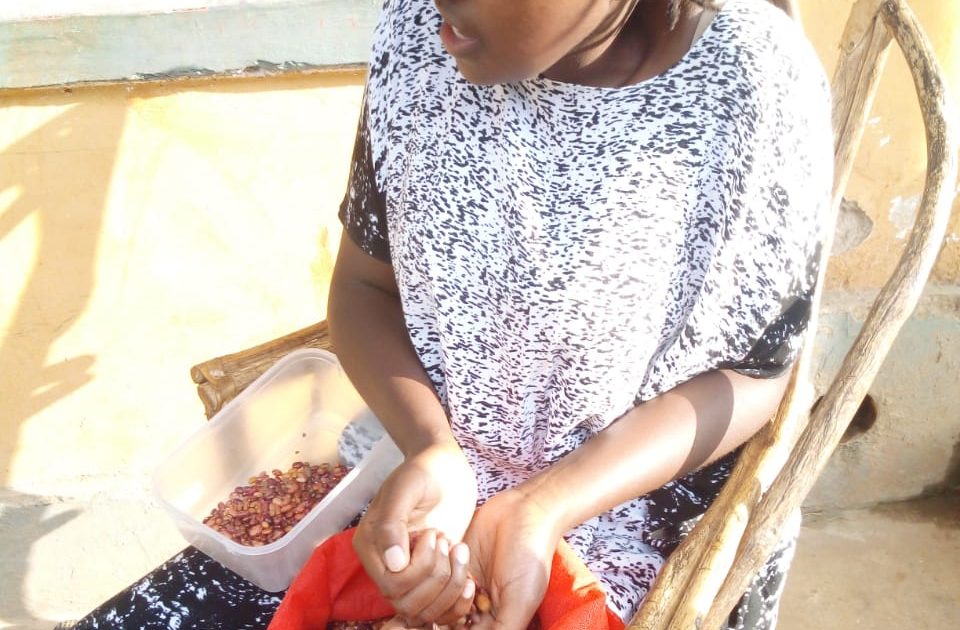
Currently, Michelle sells cooked beans to fellow students who lack time to prepare their own meals.“In a day, I make roughly Sh200, barely enough to cater for my needs,” she adds.
Her biggest challenge, she admits, is balancing schoolwork and business. “These side hustles are productive, but they’re hard to sustain when exams or assignments pile up,” she says.
Many students like Michelle are in similar situations — selling boiled eggs and smokies, doing photography, or offering beauty services to make ends meet.
From the quiet hills of Bogotia in Baringo County, Collins Kipng’etich, a final-year student, has turned his childhood passion for media into a steady income source.
“I began taking photography and videography gigs during campus events and weddings because I needed money for fees and upkeep,” he says.
Collins’ talent has since taken him far — even across the border. “I once traveled to Kampala, Uganda, for a wedding project. I’ve met people and seen places I never imagined,” he shares.
Despite his growing clientele, Collins ensures his studies remain a priority. “My studies are never disrupted because I plan my schedule and use my free time wisely,” he says.
He earns about Sh6,000 a week, enough to cover his rent, food, and part of his tuition, though he admits that unpaid clients remain a major challenge.
He now hopes to transition from freelancing to working with a media organization where he can specialize and grow professionally.
For 21-year-old Agnes Wairimu, however, financial struggles have directly affected her academic performance.
“I have sometimes gone without food, which affects my concentration and causes my grades to drop,” she says.
To cope, Agnes started making and selling beadwork to classmates. She also applied for a Higher Education Loans Board (HELB) loan, which has helped her pay part of her rent and school fees.
Meanwhile, 22-year-old Precious Morangi Mokaya from Kebirigo, Nyamira County, has mastered the art of balancing academics with entrepreneurship. She earns her income through hairdressing, which she proudly describes as both a passion and a main source of income.
Morangi juggles two-degree programs, one in Public Administration and Political Science at Kisii University, and another in Education and English Literature at Mount Kenya University.
What began as a hobby has blossomed into a thriving business. “The side hustle helps me buy what I want, take myself out, and never miss meals,” she says.
Her clients include both students and working professionals. By braiding between five to eight clients weekly, Morangi earns up to Sh7,000 a week, and at least Sh2,500 even on slow weeks.
She saves at least Sh500 daily, believing that financial discipline is key to independence.
Still, she admits that running a business while studying is tough. “Sometimes I skip classes and borrow notes later to keep up,” she says, adding that she hopes to open her own salon near Kisii University once she graduates.
HELB, a government agency, offers loans and scholarships to support students pursuing higher education in Kenya. The loans help cover tuition and living expenses, repayable after graduation.
Under the new funding model introduced in May 2024, students are now expected to seek scholarships, loans, and household contributions, with allocations based on financial need — ranging from 30 to 70 percent.
However, not all students benefit equally. While some find the model manageable, those from low-income backgrounds continue to face hardship due to limited family support.
Economist Dr. Symon Kiprop of Egerton University says financial instability limits young people’s ability to explore entrepreneurship. “Those burdened by debt are often unable to invest in their ideas, while wealthier students can take more risks,” he explains.
He notes that side hustles provide students with valuable opportunities to build financial resilience. “Such ventures allow students to adjust their income levels as circumstances change, improving their long-term financial stability,” he says.
Dr. Kiprop recommends that universities introduce flexible work-study programs, provide affordable housing and meal plans, and set up mentorship initiatives to guide students in money management and business growth.
Ultimately, Kenya’s growing campus hustle culture is more than a survival mechanism — it’s a testament to the resilience, creativity, and determination of the country’s youth, who continue to pursue education while navigating financial hardship with entrepreneurial spirit.
By Sophia Matoy