We have often heard the older generation say that the weather is now much more unpredictable than before: that the weather is hotter or sometimes colder than it used to be.
This is what scientists are calling climate change.
Climate change refers to long-term shifts in temperatures, rainfall patterns, and weather behaviour across the world.
Although natural climate variations have always existed, the rapid warming seen today is overwhelmingly caused by human activities, mainly the burning of fossil fuels, deforestation, industrial pollution, and poor waste disposal.
These activities release greenhouse gases such as carbon dioxide and methane, which trap heat in the atmosphere.
This intensified greenhouse effect leads to global warming, rising temperatures, erratic rainfall, prolonged droughts, and increased flooding.
Climate change is no longer a distant scientific theory; it is a lived reality.
How Climate Change Has Affected Kenya
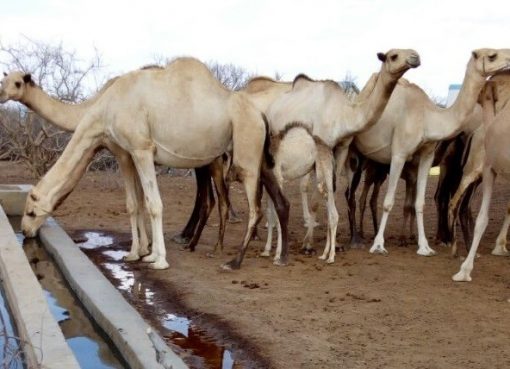
Across Kenya, communities are experiencing drastic changes such as frequent droughts in the northern and eastern regions, leading to water shortages and livestock deaths, and unexpected heavy rains and destructive floods that displace families, damage infrastructure, and disrupt the general pattern of life.
Heat waves that make cities like Nairobi, Kisumu, and Mombasa hotter than past decades; unpredictable farming seasons, which impact food production and raise food prices; and an increase in epidemics such as cholera and malaria during and after flooding are just some of the visible effects of climate change.
Kenya’s environment, economy, and daily life are all feeling the pressure.
What Causes These Changes?
Scientists identify several key drivers of Kenya’s changing climate: burning of fossil fuels from transport, factories, and electricity generation and deforestation, which reduces natural carbon absorption.
Other causes include industrial and domestic pollution, rapid urbanisation, agricultural runoff and land degradation and global warming caused by emissions from countries worldwide.
These combined pressures have intensified weather extremes and weakened natural ecosystems.
Lake Victoria: A Lake in Trouble
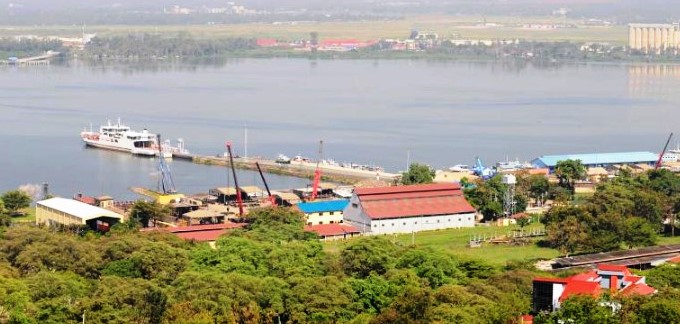
Lake Victoria, East Africa’s largest freshwater body and a lifeline for Kisumu and surrounding counties, is at the center of environmental concern.
A recent report released by the East African Community (EAC) paints a stark picture of the lake’s declining health.
The report titled ‘Preview Edition of the Lake Victoria: State of the Basin Report (2025)’ highlights deepening ecological stress, including:
Declining Water Quality
According to the report, the lake is being polluted by industrial effluent, untreated wastewater, sewage, and agricultural runoff, all of which flow into the lake and reduce water quality.
Eutrophication and Oxygen Loss
Pollutants have caused algal blooms, which use up oxygen in the water. This suffocates fish populations and disrupts the ecosystem.
Biodiversity Loss
The report warns of shrinking fish stocks, destruction of breeding grounds, and reduced aquatic life, thus threatening the millions who depend on fishing for food and income.
Rising Water Levels and Flooding
Increased rainfall and sedimentation have led to rising lake levels, flooding homes, beaches, farmlands, and businesses along the shoreline.
Climate Shocks
Sudden storms and unpredictable winds have made fishing more dangerous, putting boat riders and fishermen at risk.
EAC Deputy Secretary General Andrea Ariik, who delivered the report in Kisumu, now urges the partner states to invest in wastewater treatment, sustainable agriculture, erosion control, wetland restoration, and early warning systems, and notes that the Lake Victoria Basin Commission needs stronger authority to harmonise action across borders.
The report recently released by EAC singles out pollution as the main danger facing this freshwater lake, mainly due to the discharge of raw sewage into the lake, the dumping of domestic and industrial waste, and fertiliser and chemicals from farms.
What causes flooding in the Lake Victoria Basin?
Abundant precipitation can lead to disasters such as flooding, water pollution, soil erosion, dam breaks, water-related disease outbreaks, and famine.
Some parts of Kisumu, such as Nyando and Budalang’i in Western Kenya, are prone to flooding due to excessive rains, thanks to climate change.
Lake Victoria also flows directly into the reservoir of the Owens Falls Dam, which has a hydroelectric generating station capable of producing 180 MW.
Currently, the dam overflows, as does the lake. And winds mixed with heavy rains bring the bulky floodwaters that impact the flood discharge.
Further, excessive encroachment of the “river reserves” by the people and “overstocking” of livestock far in excess of the carrying capacity of the land, and climate changes are also seen as the factors contributing to increased flood hazard.
What is the cause of the rising water in Lake Victoria?
More moisture is now coming from the southern Indian Ocean, where substantial increases in sea surface temperatures and evaporation are observed.
These findings highlight the complex interplay between climatic drivers, changing moisture sources, and Lake Victoria’s rising water levels.
Climate change has also made fishing, which is the main economic activity of people living around Lake Victoria, a nightmare.
A report commissioned by Kenya’s State Department for Fisheries, Aquaculture, and the Blue Economy estimates that cage farmers in different sections of Lake Victoria, particularly Kisumu and Homa Bay towns, lost more than 900 million shillings ($7.2 million) to fish kills in 2022.
This trend has continued as fishermen continued to lose fish worth millions of shillings in 2025.
Scientists attribute the fish kills to reduced levels of dissolved oxygen, likely due to a natural phenomenon called upwelling, which can be exacerbated by climate change and extreme weather.
Local farmers who lost their fish, however, attribute the die-offs to pollution from Lake Victoria industries, which agencies have accused of discharging untreated effluent into the lake in recent years.
Fish farmers in Lake Victoria mainly stock tilapia (Oreochromis niloticus), which, according to scientists, are preferred due to their fast growth, resistance to disease, and ability to withstand low dissolved oxygen levels.
Tilapia and Nile perch (Lates niloticus) are the two most abundant fish species in the lake, and tilapia is more profitable in the local market.
What the Government Is Doing to Mitigate Climate Change
Kenya is implementing a national framework focusing on renewable energy, climate finance, green transport, and reduced carbon emissions.
The National Climate Change Action Plan (NCCAP) 2023–2027 is the third five-year plan that presents detailed priority actions that Kenya will embark on to tackle climate change.
The 15 Billion Tree Initiative
A nationwide drive to restore forests, protect water catchments, and slow land degradation is ongoing.
This programme seeks to restore degraded landmasses and increase our tree and forest cover and, if possible, carbon credits on the international market.
IT seeks to involve entire populations – young and old, schools and other institutions – in order to achieve this ambitious target by 2030.
Flood Response and Early Warning Systems
The government has strengthened disaster response teams, improved meteorological services, and relocated at-risk families in flood-prone regions.
Investment in Renewable Energy
Kenya remains a global leader in geothermal energy and continues to expand wind and solar power to reduce fossil fuel reliance.
In fact, Kenya is seeking to stop any use of fossil energy in the next few years. This is because fossil energy emits large amounts of carbon into the air, contributing to the greenhouse effect.
Strengthening Environmental Agencies
The National Environment Management Authority (NEMA) and county governments are enforcing waste management laws, monitoring pollution, and restoring wetlands around Lake Victoria and the country.
Kenya in 2017 enacted various laws to protect the environment, including a ban on single-use plastic bags and other plastic items that were choking the environment and had become an eyesore.
This was hailed as a major milestone in environmental conservation, but challenges abound in implementation, as our neighbours are still using them.
Kenya regional cooperation;
Kenya, through the Lake Victoria Basin Development Authority, is working with Tanzania, Uganda, and Rwanda on joint initiatives to protect Lake Victoria and address cross-border pollution.
A Youth Generation Rising
Despite the challenges, Kenya’s youth are stepping up. From university cleanup drives to climate clubs in schools, awareness campaigns, and tree planting, young people are refusing to remain silent.
Climate change is reshaping Kenya, from the heat in our cities to the floods in our neighbourhoods and the declining health of Lake Victoria.
But with stronger environmental protection, government action, regional cooperation, and rising youth activism, a sustainable future is still possible.
Kisumu’s story stands as a powerful reminder that the climate crisis is real, urgent, and deeply human and that hope lies in the choices we make today.
By Mabel Keya- Shikuku and Laura Ndege