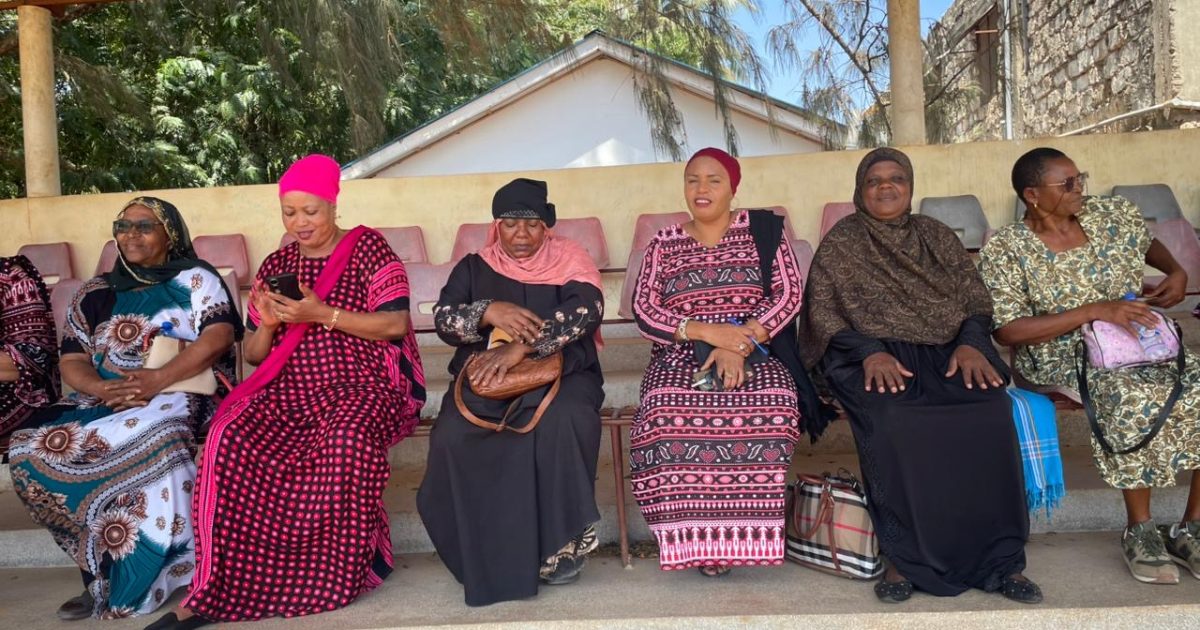
Leaders of Maendeleo ya Wanawake Organization (MYW) from Kwale and Mombasa counties have strongly defended their leadership against allegations of financial mismanagement and political bias while outlining key grassroots projects aimed at empowering women.
Speaking during a media briefing in Kwale, Amina Musau, Chairperson for Women’s Development in Kwale County, reaffirmed the organisation’s longstanding mission.
“We are here to assure Kenyan women that our organisation has remained committed since 1952 to empowering women economically and socially,” said Musau. “Our Annual General Meetings are structured to ensure transparency and inclusivity, involving county delegates and sub-county chairs as provided for under Article 30 of our constitution.”
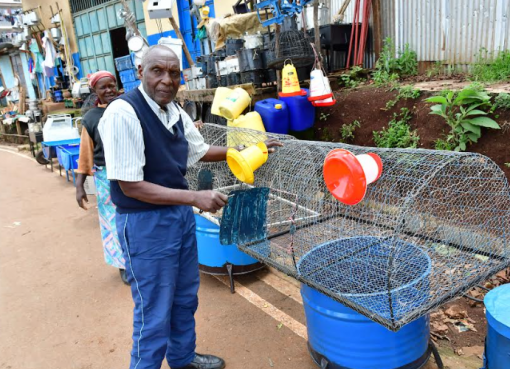
Musau highlighted resolutions passed during the AGM held on June 29–30, including the rollout of the Sawa Can water project. The initiative focuses on purifying drinking water to curb diseases such as diarrhoea, typhoid, cholera and dysentery, which disproportionately affect women and children in vulnerable communities.
She also cited a partnership with Buffalo Bicycles that has enabled the distribution of bicycles to women traders and schoolgirls to ease mobility challenges.
“These bicycles are helping mothers transport goods to markets and escort their children to school safely. They also reduce cases where schoolgirls are exposed to exploitation while seeking transport,” Musau explained.
The leaders dismissed claims that the recent AGM was marred by poor planning or mistreatment of members.
“Allegations that delegates were mishandled or that food was insufficient are false. The AGM was conducted smoothly and the welfare of members remains a priority,” Musau stated.
Farida Rashid, popularly known as Farida Toli and a member of the organisation, emphasised that MYW is non-partisan in its operations.
“We are a non-partisan umbrella body focused on empowering women, not engaging in politics. We work with whichever government is in office to ensure resources reach women at the grassroots,” she said.
However, she reiterated the group’s support for President William Ruto, echoing the slogan “Two terms for Ruto”, while maintaining that MYW’s primary agenda remains development-focused.
The leaders also addressed financial challenges facing the organisation, particularly tax arrears linked to Maendeleo House, a property that hosts offices and rental apartments. Musau appealed for government intervention to resolve the issue.
“These arrears were inherited from previous administrations. Once cleared, rental income from Maendeleo House can directly benefit women’s programmes instead of servicing backdated tax obligations,” she said.
National Chairperson Rahab Muiu was credited with spearheading structural reforms within the organisation. Leaders present praised her efforts to enhance inclusivity and refocus MYW’s agenda toward tangible community-based projects.
“Under her leadership, clean water initiatives and safe transport programmes for schoolgirls have gained momentum. She represents over 400,000 members across Kwale and Mombasa, with millions more nationwide,” Rashid noted.
The appointment of Beth Mugo as the organisation’s new patron was also defended. Afia Rama, MYW Chairperson for Mombasa County, said the selection process adhered strictly to constitutional guidelines.
“She was appointed in accordance with our constitution and approved by National Executive members. She is action-orientated, compassionate and committed to justice. Claims that her appointment was politically influenced are unfounded,” Rama clarified.
The leaders urged members to uphold unity and resolve disputes internally in line with the organisation’s constitution.
“Any concerns should be addressed within our structures, not through the media or courts. We must avoid spreading misinformation and instead focus on uplifting women at the grassroots,” Rashid said.
Founded in 1952 before Kenya’s independence, Maendeleo ya Wanawake remains one of the country’s oldest women’s organisations, advocating for economic empowerment, social welfare and community development across all 47 counties. Its current leadership says it will continue prioritising practical interventions in health, education and safe mobility for women and girls.
By Chari Suche