Stakeholders have called for enhanced involvement of county governments and better support for Micro, Small, and Medium Enterprises (MSMEs) in the proposed National Trade Development Bill, 2025.
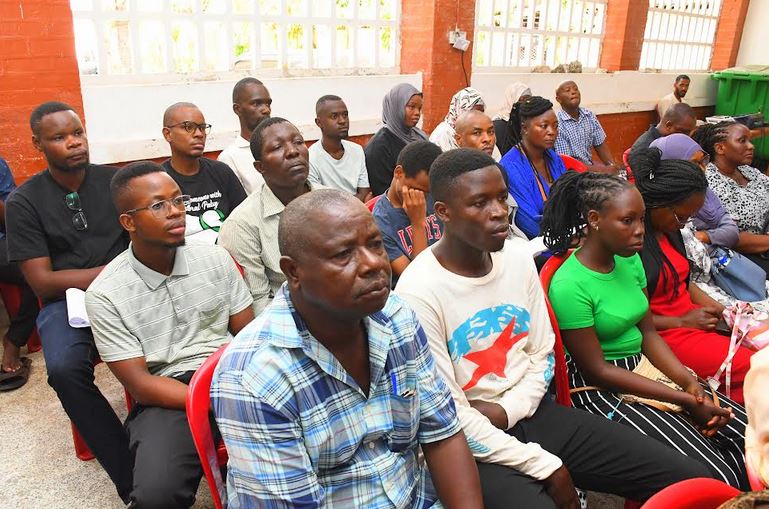
The State Department for Trade on Wednesday held a public participation forum at the Tononoka Social Hall as part of nationwide consultations running from February 3 to 11, 2026.
The forum, aimed to gather views on the draft bill, which seeks to provide a comprehensive legal framework for the development, facilitation, promotion, and regulation of both domestic and international trade while addressing key challenges such as fragmented regulations between national and county governments, duplication of licenses and fees, and barriers to the free movement of goods across counties.
In a speech delivered by Deputy Director of Trade, Principal Secretary (PS) Regina Ombam explained that the bill recognizes the central role that trade plays in driving economic growth, job creation and regional integration.
“The overall objective of the Bill is to provide a comprehensive legal framework for the development, facilitation, promotion, and regulation of both domestic and international trade,” PS Ombam stated.
She added that the proposed legislation seeks to harmonise business licensing and permits to eliminate duplication and unnecessary regulatory burdens, restrict trade-related fees that hinder the movement of goods and services across counties, and introduce modern provisions on digital trade, e-commerce and emerging technologies, including artificial intelligence to promote innovation, efficiency and global competitiveness.
The Bill places strong emphasis on inclusivity, offering targeted support to MSMEs, women, youth, persons with disabilities and other marginalised groups through improved access to finance and credit, skills development, mentorship and professional training.
It also strengthens export development, branding, market access initiatives and coordination in the implementation of international trade agreements.
Director of the Kenyan National Chamber of Commerce and Industry (KNCCI) Mombasa Chapter, Hasnain Meghji, welcomed the engagement but called for predictable and fair taxation.
“We are here to protect the SMEs and MSMEs. We would request that there should be a tier-based fee structure based on turnover or the number of employees,” he said. Meghji further proposed tax holidays of six to 12 months for new businesses and rebates for job creation to accelerate wealth creation and product promotion.
Engineer Peter Migosi, acting Director of Trade in the Mombasa County Government, described the Bill as a positive gesture from the national government but highlighted perceived shortcomings.
“As a county, we feel it is so much loaded on the upside, and it doesn’t regard the SMEs and the small traders,” Migosi said.
He urged stronger linkages between national and county governments, including explicit involvement of the Council of Governors and county representatives in the National Trade Council and technical committees, to better support devolution.
The draft Bill establishes the National Trade Council along with national and county-level trade technical and consultative committees to improve policy coherence, strengthen intergovernmental relations and ensure continuous consultation with the private sector.
It also encourages alignment of county trade policies with national priorities, while recognising counties as distinct and key partners in trade development.
Local traders expressed appreciation for the process. Fred Kinyanjui Gachau, a trader from Kongowea market, thanked the trade department for the forum.
Ronald Alwanga of the Association of Micro and Small Entrepreneurs commended the government’s efforts to broaden opportunities for small-scale businesses through the Bill, but requested additional time for stakeholders to thoroughly review and interrogate the draft before finalization.
By Sitati Reagan