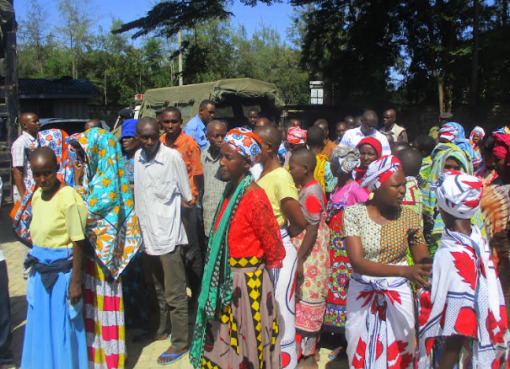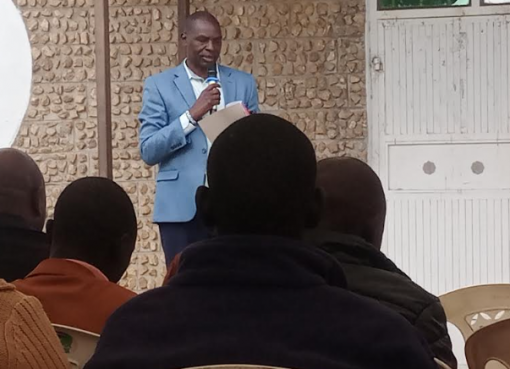
The county government of Nakuru in collaboration with Jacaranda Health is integrating artificial intelligence (AI) to transform maternal healthcare and improve patient outcomes.
County Executive Committee Member (CECM) in charge of Health Services, Ms Roselyn Mungai, explained that through an AI-powered SMS platform known as PROMPTS (Promoting Mums Through Pregnancy and Postpartum), expectant mothers were being furnished with lifesaving information and referral services.
Ms Mungai said that PROMPTS was currently active in 126 health facilities within the devolved unit and was reaching 13,874 pregnant women while addressing over 59,000 inquiries.
She noted that the initiative had been instrumental in ensuring that mothers receive timely medical advice, understand potential danger signs, and seek appropriate care when necessary and on time.
While noting that Jacaranda Health was partnering with the devolved unit to increase access to care and promote proactive health-seeking behavior among pregnant women, the CECM said the collaboration will provide postpartum support, helping mothers navigate postnatal care and prevent postpartum depression.
Beyond AI-driven SMS services, Governor Susan Kihika’s administration in collaboration with Jacaranda Health, Ms Mungai added was investing in training healthcare professionals, including nurses and midwives.
Through the Emergency Obstetric and Newborn Care Mentorship programme, healthcare providers have received specialized training, equipping them with life-saving skills to handle obstetric and neonatal emergencies.
The CECM elaborated that PROMPTS does not stop at delivery but follows mothers through what medical professionals call the “fourth trimester,” which is the critical period after childbirth. Messages cover everything from cesarean section recovery to infant immunization reminders, she added.
“PROMPTS has made our work easier. With a click, we can see how many mothers are enrolled, their responses, and their feedback,” said Ms Mungai.
Saying that expectant mothers visiting public health facilities for the first time were being registered on PROMPTS with their consent, Ms Mungai was happy that the platform had significantly reduced maternal and neonatal deaths in the county.
The CECM explained that the AI-driven PROMPTS system was designed to triage messages, analyze maternal health queries, and categorize them based on urgency.
“If a mother asks a question indicating a potential complication, the system flags it as an emergency, ensuring that healthcare providers respond promptly,” added Ms Mungai.
She said that the platform was able to direct the mother to the nearest health facility and transmit her digital records to the hospital in advance, hence ensuring a seamless transition to in-person care.
If a mother asks about issues like morning sickness, the CECM explained that their team was able to provide immediate advice where they could suggest dietary recommendations or when to seek medical attention.
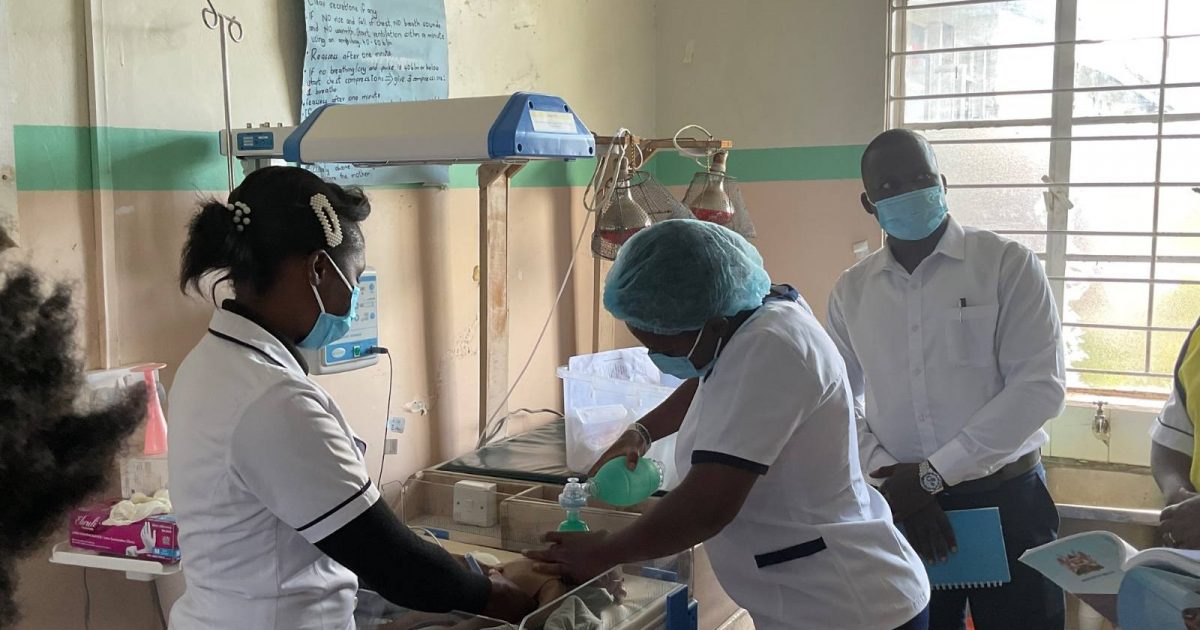
The CECM spoke when she hosted Jacaranda Health’s delegation led by Country Director Dr Job Makoyo and the firm’s Head of Partnerships Joseph Mutweleli on a tour of the Lanet Health Centre maternal and child health outpatient department and the maternity unit.
During the visit, the Jacaranda Health team conducted a Basic Emergency Obstetric and Newborn Care (BEmONC) training for healthcare workers aimed at equipping health workers with the skills needed to effectively manage emergency situations.
Lanet Health Centre is said to register a high volume of deliveries, averaging 90 births each month and sometimes exceeding 100.
Ms Mungai said initially PROMPTS operated as a one-way SMS platform, but many mothers expressed the need for a more interactive experience where as a result, the system evolved into a two-way communication tool that allows mothers to engage in real-time conversations, receive instant replies, and provide feedback, which continuously improves service delivery.
Jacaranda Health Country Director Dr Job Makoyo observed that AI-powered maternal healthcare is a significant step toward achieving Sustainable Development Goal (SDG) 3, which aims to reduce global maternal mortality to less than 70 deaths per 100,000 live births by 2030.
The integration of AI in maternal healthcare, observed the country director, is not just about technological advancement; it is about saving lives, empowering mothers, and ensuring that no woman dies due to preventable pregnancy complications.
“As technology continues to evolve, initiatives like PROMPTS serve as a beacon of hope, demonstrating that digital innovation can transform healthcare access and outcomes, even in rural Kenya,” stated Dr Makoyo.
He said AI algorithms were revolutionizing early risk detection in pregnant women by analyzing large datasets including medical records, ultrasound images, and wearable device inputs.
He explained that AI-powered platforms could predict the likelihood of preterm labor by assessing subtle changes in a woman’s vitals and alerting healthcare providers for early intervention.
Postpartum hemorrhage remains one of the leading causes of maternal deaths. AI-powered prompt messaging has played a critical role in reducing such complications by ensuring early detection and management of risks. Through antenatal screening and urine analysis, potential complications are identified early, allowing timely intervention, he added.
Dr. Makoyo however observed that midwives and community health workers were vital in improving maternal and newborn health, as they understand challenges in their areas making them ideal to help avert deaths.
Before the introduction of AI-driven prompt messages, maternal health services in Nakuru County followed a one-way communication model. Mothers would visit clinics, receive services, and be given verbal instructions from healthcare providers before heading home. This system left gaps in patient engagement and follow-up care.
According to the World Health Organization (WHO), a mother dies every two minutes due to childbirth-related complications. Many of these deaths are preventable, yet a lack of awareness, timely medical intervention, and access to skilled healthcare contribute to fatal outcomes for both mothers and infants.
A 2024 USAID report on Preventing Child and Maternal Deaths ranked Kenya fourth in Africa, with 594 maternal deaths per 100,000 live births. Shockingly, only 42 percent of births in the country are attended by skilled healthcare personnel, further exacerbating the crisis.
By Esther Mwangi