The Food and Agriculture Organization (FAO) has called for renewed efforts to fast-track land digitization and community land reforms in the North Rift region.
This comes after a high-level review meeting held at the Uasin Gishu County Headquarters, where county officials and land officers convened to assess the progress of FAO-supported land governance initiatives.
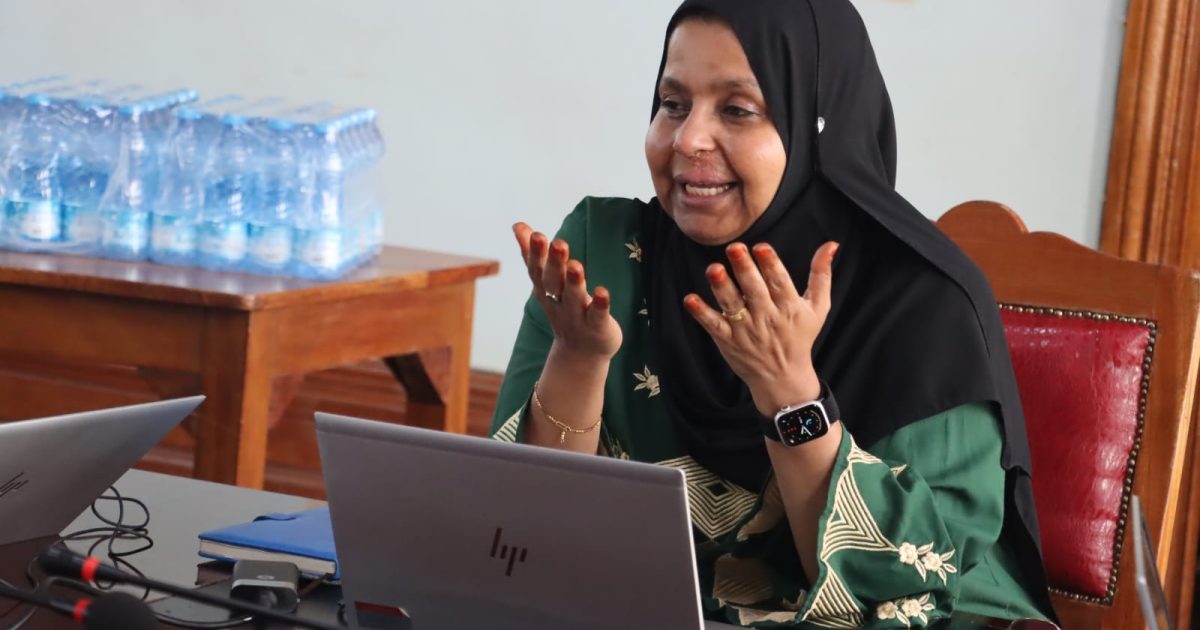
The session, chaired by FAO Programme Manager Husna Mbarak, brought together County Executive Committee Members (CECMs) and technical officers from Uasin Gishu, Nandi, Elgeyo Marakwet, West Pokot, Trans Nzoia and Turkana counties, which are part of Cluster 3 under FAO’s digital land governance program.
The initiative focuses on several critical areas: digitization of land records, establishment of land registries, development of Geographic Information System (GIS) laboratories, capacity building for staff and the formulation of county-level land policy frameworks.
Mbarak acknowledged the strides counties have made in strengthening institutional capacity, but emphasized the urgent need to fast-track land registry digitization and address the complexities of community land registration.

“There’s urgent need to accelerate registry digitization through Ardhi Sasa and address the complexity of community land registration. Community land remains one of the most pressing and underserved aspects of Kenya’s land governance landscape,” she said.
She urged counties to intensify advocacy and mobilize resources to push forward these efforts.
Mbarak also reaffirmed FAO’s commitment to providing technical support to counties in navigating legal and operational challenges related to community land adjudication, titling and dispute resolution.
On the other hand, Uasin Gishu County Executive for Lands, Edward Sawe, lauded FAO’s support, citing tangible improvements in institutional reforms and public service delivery.
“With FAO’s support, we have enhanced our capacity from advanced GIS tools to skilled personnel. The next phase should focus on integrating digital platforms and strengthening community land management,” noted Sawe.
His sentiments were echoed by Uasin Gishu Chief Officer for Lands, Julius Koech, who emphasized the need to align land governance with urban planning.
He highlighted the Integrated Development and Expansion Plan (IDEP) for Eldoret City as a crucial blueprint for sustainable urban development.
“The IDEP offers a long-term vision for Eldoret’s growth. We urge FAO and other stakeholders to support its implementation through funding and technical assistance,” said Koech.
Additionally, the meeting recommended a series of key actions including enhanced county-level lobbying for funding, prioritization of community land mapping, accelerated deployment of the Ardhi Sasa platform and the development of comprehensive urban land policies.
Participants also emphasized the need for inter-county collaboration, public awareness and inclusive policy-making, especially on community land matters affecting pastoralist and indigenous populations.
FAO pledged its continued partnership with the Kenyan government through its flagship Land Governance Programme, which seeks to secure land tenure, enhance land-use planning and promote equitable access to land resources across the country.
By Fredrick Maritim