For decades, the Chesegon area along the border of West Pokot and Elgeyo Marakwet counties was synonymous with armed banditry attacks that left behind destruction, deaths, and displacement. The region’s plains and mountain ranges were battlegrounds where neighbouring communities engaged in persistent livestock raids, violence, and mistrust.
Roads became impassable, schools frequently shut down, and health centres were deserted shells without staff or medicine. Residents lived in fear, often fleeing their homes as raiders made off with livestock under heavy gunfire, rendering meaningful crop production impossible.
However, renewed efforts by the government and non-state actors have begun to turn this once violent area into a promising hub of agricultural productivity.
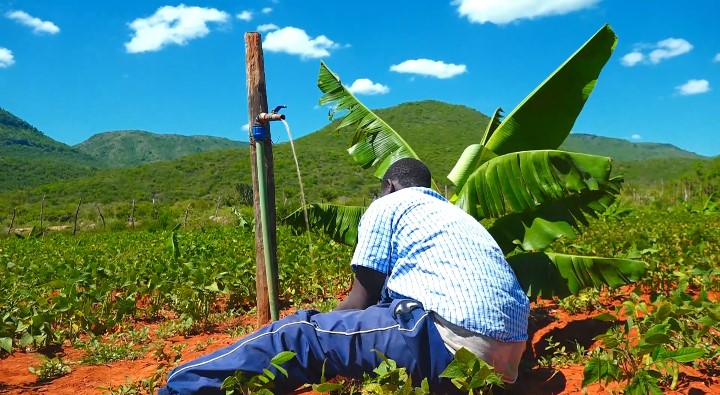
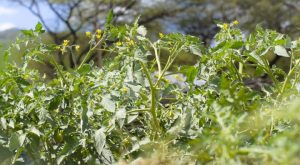
A group of residents from Chesegon and Kabeni have now embraced commercial tomato farming on a 50-acre tract of land along the border as a means to rebuild their lives, foster peace, and create sustainable livelihoods.
With the support of International Alert—a conflict resolution and development organisation—the residents from the two formerly warring communities have ventured into sustainable agriculture to earn decent livelihoods and nurture coexistence.
According to International Alert Programmes Manager Dorina Prech, many families who had fled the area due to frequent conflicts are now returning following government interventions and confidence-building initiatives led by the organisation.
“Owing to years of tension and violence, we launched a programme encouraging the two communities to work together through farming. This region has fertile soils and sufficient water resources that can sustain profitable agriculture,” said Ms. Prech. She added that livestock raids, which fuelled much of the conflict, could be replaced by cooperative crop production as a new foundation for peace and prosperity.
Ms. Prech noted that tomato and vegetable farming ventures have already proved viable, showing the area’s potential to become a key supplier of horticultural produce within the region and beyond. She appealed to residents to embrace crop cultivation as a path to transforming the area’s image, which has long been dominated by stories of insecurity and underdevelopment.
The Catholic Church is also supporting peace and reconciliation in the region, working alongside local leaders to ensure stability and foster development. The Church believes sustainable peace can only be achieved when communities are engaged in productive ventures together.
Catholic Diocese of Eldoret Justice and Peace Programmes Manager, Samuel Kosgei, said such economic activities would help unite the two communities through shared farming and marketing initiatives, reducing hostility and building mutual trust.
“With joint farming, residents see each other as partners rather than rivals. The common goal of achieving food security and income will enhance peaceful coexistence,” Kosgei emphasised. He also urged the government to intensify security operations in the area to allow development projects to thrive.
Elgeyo Marakwet Peace and Disaster Management Chief Officer, Lawrence Mutwol, and West Pokot Peace Director, Rev. Jackson Alukusia, said the two county governments have set aside funds to address insecurity and strengthen development-focused collaborations with organizations like International Alert and other human rights groups.
They emphasized that combining peacebuilding initiatives with economic empowerment would yield better and lasting results for the border residents.
Locals expressed gratitude for the progress witnessed over the past few years, noting that the region, once feared for its lawlessness, is regaining stability and hope.
“For nearly five years, this place was a no-go zone because of bandits and constant attacks. Thanks to International Alert and government efforts, we can now focus on crop farming and live in peace,” said Wilfred Kasiltich, a resident of Cheptulel.
He added that community farming has united residents and helped them to move beyond tribal divisions and mistrust.
The residents further appealed to the government to invest in expanding infrastructure such as roads, schools, hospitals, water supply, electricity, and security installations to consolidate development gains and deter the resurgence of banditry and inter-community conflict.
With these initiatives, Chesegon is steadily redefining its identity—from a conflict-ridden frontier into a flourishing agricultural zone, where peace and productivity go hand in hand.
By Richard Muhambe