The State Department for Investment Promotion has assured stakeholders that the proposed Business Council of Kenya will operate independently, without government interference.
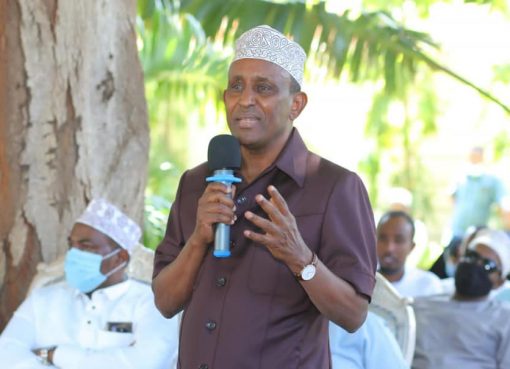
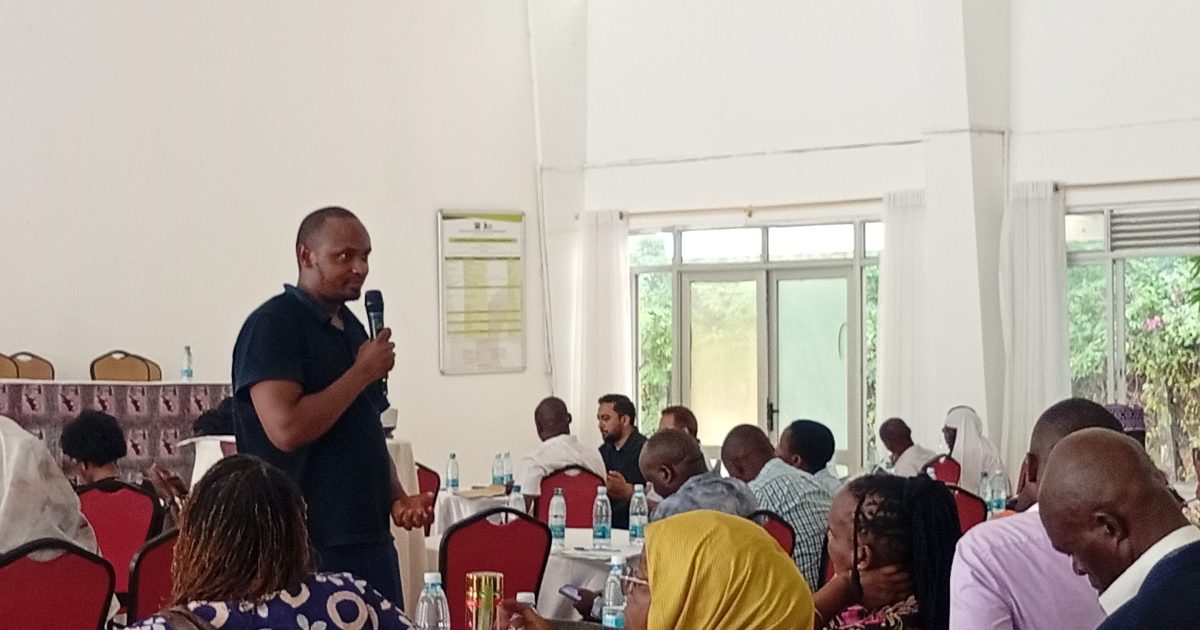
Speaking during a public participation event on the Public Sector–Private Sector Engagement Policy and Bill, 2025, at the Kenya School of Government in Mombasa, Stephen Odua, Director of Business Environment and Private Sector Development at the State Department, stated that the council will function autonomously.
“The Business Council of Kenya will be independent and not influenced by the government,” Odua affirmed.
The session was convened to gather public input on the proposed framework, which seeks to establish a unified platform for private sector engagement with government. Odua delivered the speech on behalf of Principal Secretary Abubakar Hassan Abubakar, who emphasized the government’s commitment to creating a structured yet autonomous engagement mechanism.
The State Department clarified that under the proposed Bill, Business Membership Organizations (BMOs) will retain full autonomy over their membership, leadership, operations, and advocacy roles. The government will not gain powers to register, regulate, dissolve, or interfere with any private sector organization.
“Instead, BMOs gain a formal channel through which their issues are consolidated, elevated, and acted upon within a defined timeline,” Odua explained.
The Business Council of Kenya is intended to serve as an umbrella body representing a unified voice for the private sector, while existing BMOs maintain their current identity and independence. Kenya currently has more than 100 BMOs operating independently with overlapping mandates and competing interests, making it difficult for the business community to speak with one voice on policy matters.
Mr. Joseph Mutavi from the Kenya National Chamber of Commerce and Industry called for collaboration with existing organizations to achieve the policy objectives, seeking assurances on how the new framework would work alongside established chambers of commerce.
Odua assured that all business categories, including small-scale traders such as mama mboga, will be included in the framework. He reiterated that the council will not replace or absorb existing BMOs but will provide a platform for collective articulation of priority issues.
The private sector contributes approximately 70 percent of formal sector employment and accounts for up to 95 percent of total employment, including the informal sector. It is also the leading source of tax revenue and drives Kenya’s export economy through agricultural and manufacturing products.
However, the absence of a structured engagement framework has limited the private sector’s ability to influence policy, participate in trade negotiations, and leverage domestic, regional, and global market opportunities.
The proposed Bill seeks to establish the Business Council of Kenya as a statutory umbrella body to coordinate private sector voices. The council will register BMOs, collect and synthesize member views, categorize issues as cross-cutting or sector-specific, and submit recommendations to the Cabinet Secretary responsible for investments.
Shadrack Mwatu, a senior policy analyst, presented the Public Sector–Private Sector Engagement Bill, 2025, which establishes the council as a legal entity with voluntary membership restricted to legally registered BMOs. The council will host the Presidential Business Roundtable twice annually, conduct research, provide consultancy services, and develop public-private engagement frameworks.
The council’s board will consist of a chairperson and eleven sector representatives drawn from key economic sectors. The Bill requires the board to issue quarterly notices inviting BMOs to make proposals aimed at improving the investment climate. The board must meet within fourteen days of receiving submissions to review them and forward recommendations to the Cabinet Secretary.
Peter Otieno, national chair of the Car Importers Association, welcomed the engagement framework, noting it would reduce court disputes over policy matters. “In business, no one wants to waste time in courts. Let the government and the private sector engage so that what we have is fair and not challenged in courts,” he said.
Vincent Chula from Mwakirunge expressed optimism that the consultations will lead to a better, inclusive draft.
The guiding principles of the council include transparency, inclusiveness, good governance, sustainability, and cohesiveness. The framework ensures that every BMO has a recognized and fair channel for engagement while maintaining operational independence.
Stakeholders were assured that their views and comments would be fully incorporated into the final policy and legislation. The State Department emphasized its commitment to open dialogue and continuous consultation to create a stronger public-private partnership ecosystem that enhances Kenya’s competitiveness and investment climate.
by Sitati Reagan and Hassan Bahati