The government is developing a national policy to tackle the historical issues affecting marginalized and minority communities nationwide.
The Head of the Minorities and Marginalized Affairs Unit, Josephat Lowoi Lodoyi, emphasised the need for a clear policy framework to effectively implement constitutional provisions for these groups.
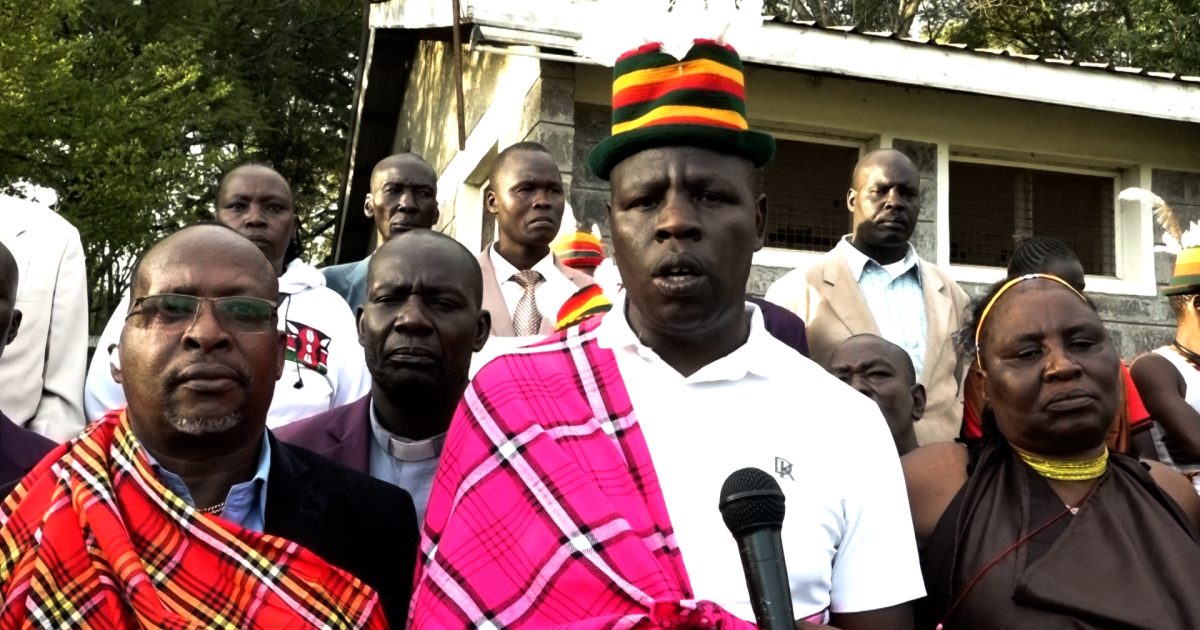
Speaking during a consultative meeting with members of Turkana Community in Nakuru, Lodoyi admitted that though Articles 56 and 260 of the Constitution recognised minority and marginalized groups, progress had stalled due to absence of a guiding policy.
He hailed President William Ruto’s administration for preparing the first-ever draft policy to address issues bedevilling the groups, which he pledged would be ready by December.
The official said the government was determined to have a policy and law governing the issues of minority and marginalized communities before the end of the year, after which he said every State department would understand how to handle their concerns, while both national and county governments would be able to engage and plan for the communities.
Furthermore, Mr Lodoyi affirmed that the new structure will provide a new structured approach to addressing challenges such as access to resources, representation and socio-economic inclusion for these groups.
The official highlighted that the newly established Minorities and Marginalized Affairs Unit was dedicated to promoting the rights and cultures of indigenous and minority groups adding that every Kenyan had a right to participate in governance and enjoy its benefits, as enshrined in Article 56 of the Constitution.
He explained that the constitutional provision served as a beacon of hope for minorities and marginalized communities by ensuring their right to representation in governance and other critical areas of life, access to exceptional opportunities in education and the economy, equal employment opportunities, preservation and promotion of their cultural values, languages, and practices, as well as reasonable access to essential services such as water, healthcare, and infrastructure.
Meanwhile, Mr Lowoi called upon County Governments to foster synergy and work closely with the Minorities and Marginalized Affairs Unit to ensure the inclusion of marginalized Indigenous ethnic minorities in governance, reinforcing the need for continued attention and action to address their pressing issues.
Nakuru County Government Chief Officer for Gender Services and Inclusivity Ms Gladys Kamuren said they had put in place affirmative action programmes, ensuring the inclusion of marginalized and minority communities in governance and economic activities, and providing access to education, health services, and infrastructure.
Ms Kamuren stated that specific actions include headhunting marginalized candidates for employment, disseminating information in local vernacular media to increase participation, and strengthening policies to promote their cultural values and rights.
The Chief Officer said that facilitating access to essential services like education, healthcare, water, and infrastructure would break down barriers, empower individuals, and create a more representative, equitable, and cohesive society where marginalized voices are heard and their needs met.
Ms Kamuren indicated that empowering marginalized and minority communities in Kenya involves implementing constitutional mandates like affirmative action for equitable access to opportunities, fostering inclusive governance through community participation, leveraging local vernacular media for information dissemination, and developing targeted socio-economic programmes.
“Affirmative Action, Article 56 of the Kenyan Constitution mandates affirmative action to ensure marginalized groups, including minority communities, have equitable access to governance, education, and development,” she stated.
Ms Kamuren reiterated Governor Susan Kihika’s commitment to fostering inclusivity and protecting the rights of ethnic minorities and marginalized communities in the devolved unit.
She highlighted the significance of the UN Declaration on Minority Rights, adopted on December 18, 1992.
“Article 56 of our Constitution is particularly instructive on the steps, including affirmative action measures, that the State ought to take,” noted the Chief Officer.
This constitutional provision outlines the imperative for the State to ensure minorities’ participation in governance, educational and economic opportunities, employment access, cultural preservation, and basic services. President Ruto, a firm believer in the promise of the Constitution, emphasized his dedication to the cause of minorities.
A representative of the Turkana community in Nakuru Ms. Margaret Lowoi stated that marginalized groups in Kenya were actively advocating for fair treatment and inclusion, leveraging constitutional rights and engaging with organizations like the National Gender and Equality Commission (NGEC) to promote policy changes and resource allocation.
Ms Lowoi stated that efforts focus on ensuring political representation, economic opportunities, access to public services like education and healthcare, and cultural preservation, adding that there were few challenges, including in areas like land ownership and equitable distribution of resources.
By Esther Mwangi and Dennis Rasto