In a move to harness the potential of the country’s vibrant youth population the government is pursuing an empowerment programme dubbed NYOTA project.
The National Youth Opportunities Towards Advancement (NYOTA) is a transformative initiative by the national government and funded by the World Bank.
Key component of the new project involves improving youth employability by empowering them with social and technical skills, apprenticeship opportunities, job placement support and recognition of prior learning.
Others are expanding employment opportunities through entrepreneurship development and support to social enterprises, supporting youth savings by promoting a culture of saving through incentives, enhanced systems, and financial literacy and strengthening youth employment systems through building robust systems to support youth employment and project coordination.
Cabinet Secretary Youth Affairs, Creative Economy and Sports, Salim Mvurya says NYOTA is a five-year project that seeks to empower youth by addressing unemployment, income insecurity, and limited savings.
CS Mvurya says NYOTA targets vulnerable youth aged 18-29 (up to 35 for persons with disabilities) across all 47 counties.
He says building on the Kenya Youth Employment and Opportunities Project (KYEOP), NYOTA aspires to create systems that sustain long-term opportunities for employment, earnings, and financial inclusion.
Mvurya said the youth are brimming with potential for innovation and entrepreneurship and urged the counties to align their efforts and resources with the mission of his ministry and by extension the national government.
Speaking in Kwale County, Mvurya emphasized the national government’s commitment to equipping the youths with the necessary skills to thrive in the local, national and global economy.
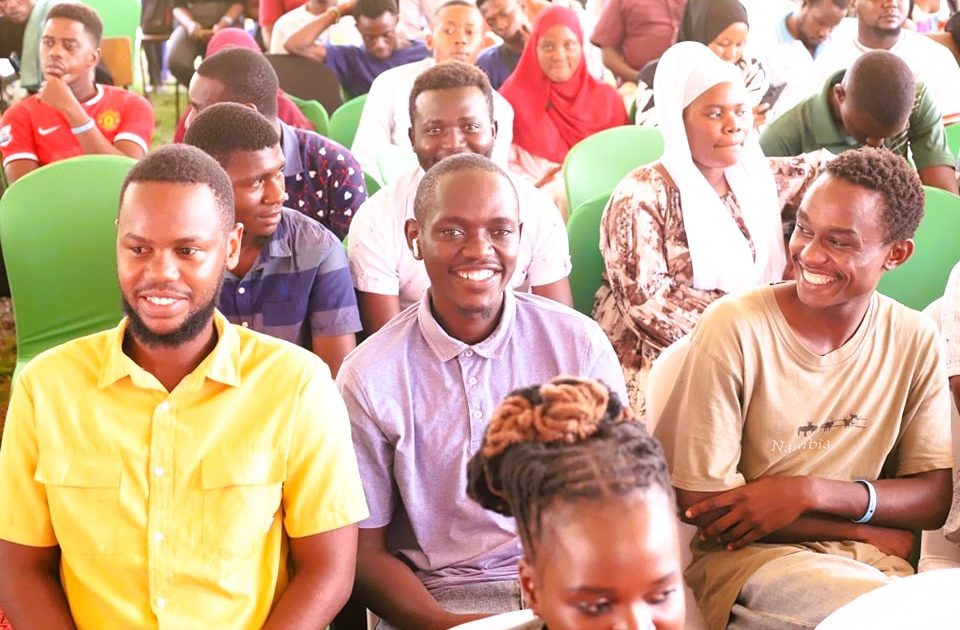
The CS said his ministry, through the National Youth Council (NYC), is organizing a series of WAZO Youth Engagement Forums across the counties.
Mvurya says this forum aims to empower and reach out to the youth population, providing them with information, opportunities, and a platform for meaningful engagement.
“The WAZO program focuses on informing youth about government opportunities, empowering them to build livelihoods, and nurturing their innovation and creativity,” he said.
He says the WAZO platform ensures inclusivity, allowing youths from all counties to access training and resources.
Mvurya who was accompanied by Kwale Governor Fatuma Achani and County Commissioner Stephen Orinde said discipline and determination are key to transforming talent and passion into economic opportunities that uplift livelihoods among the youth.
“My ministry is intentional in ensuring that every youth is aware of the available government opportunities and is empowered to take charge of their future,” he said, adding that the NYOTA’s development objective is to increase employment, earnings, and savings among targeted youth at a national scale.
He said through the Nyota Program, 1,280 youth in the coastal county of Kwale will benefit from business start-up training and receive grants of Sh50,000.
Mvurya also added that 230 Kwale youth will undergo Recognition of Prior Learning (RPL), while 1,140 will gain on-the-job experience, all aimed at reshaping mindsets and opening doors to sustainable livelihoods.
The CS says the RPL seeks to recognize skills and competencies acquired through informal learning that lack official certification.
He says the RPL program is an important means of training that seeks to recognize skills by awarding certificates to technically experienced individuals who did not go through the formal education system.
“This gesture underscores the government’s dedication to supporting young entrepreneurs and fostering economic growth at the grassroots level,” he said.
The CS encouraged youth across the country to seize this opportunity to acquire new skills, connect with mentors, and embark on a journey toward personal and national development.
Mvurya underscored that the youth are an economic force that can both drive and create demand for goods and services especially due to the growing digital economy.
He called on public and private stakeholders to invest in youth empowerment initiatives that equip young people with the skills, knowledge, and support needed to succeed in the workforce.
By Hussein Abdullahi