The national government has launched Kenya’s first-ever Post-Mining Land Use and Closure Advisory Report, marking a major milestone in the country’s efforts to promote responsible mining, environmental rehabilitation, and sustainable development of host communities.
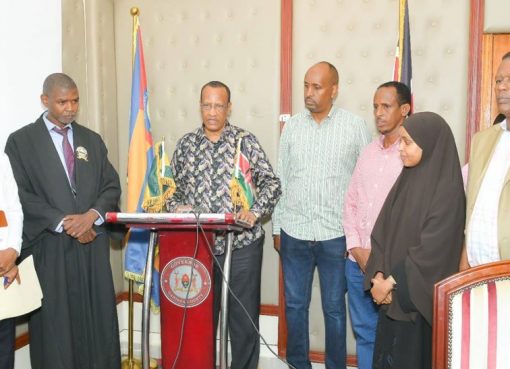
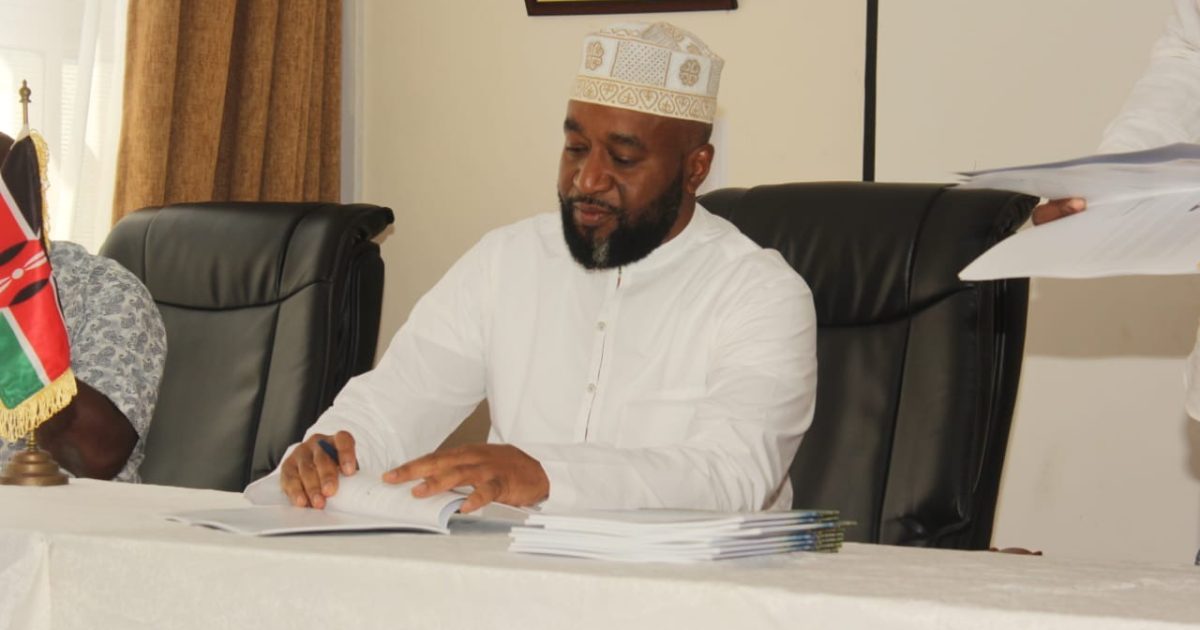
The report was launched in Kwale County by the Cabinet Secretary for Mining, Blue Economy and Maritime Affairs Hassan Joho during a ceremony attended by the Principal Secretary for Mining Harry Kimtai and other senior government officials, county government leaders, community representatives, civil society organisations, and officials from Base Resources Limited.
Speaking at the event at Kenya School of Government Matuga, Joho described the report as a product of an inclusive, transparent, and rigorous process, noting that it sets a national standard for mine closure and post-mining land use.
“Mining is a critical economic activity for our country, but it is finite. Every mine has a life, and when that life comes to an end, there are clear obligations that must be met. This report provides the standards and direction needed to ensure mining leaves a positive legacy for communities and the environment,” said Joho.
The CS emphasised that the Kwale experience would serve as a model for other mining regions across the country, reaffirming government commitment to sustainable exploitation of mineral resources. “What we are launching today in Kwale is not just for this county. It is a national blueprint that will guide post-mining land use and closure across Kenya,” he added.
On his part, the Principal Secretary Mr Kimtai hailed the report as a breakthrough achieved through extensive stakeholder engagement and scientific input, saying it reflected the collective aspirations of communities, experts, government institutions, and industry players.
“This document is not influenced by any single interest. It is the result of deep consultations, robust debate, and consensus-building. That is why we are confident it will stand the test of time and guide the sector effectively,” Kimtai said.
He also credited the success of the process to strong leadership and teamwork within the ministry, noting that the government was determined to ensure the report was completed and implemented. “When leadership says something must be done, it must be done. That is why we are here today,” he said.
Melba Osuna, the General Manager Base Titanium External Affairs described the journey towards developing the advisory report as incredible, citing the high level of participation and rigorous deliberations involved.
She highlighted ongoing rehabilitation works at former mining sites in Kwale, including Tiwi and surrounding areas, saying the company remains committed to responsible mine closure and environmental restoration.
“Come and see the rehabilitation works being undertaken. They demonstrate that post-mining land can be restored and put to productive use,” she said.
The launch also marked a significant policy announcement on mining royalties. Government officials confirmed that regulations governing the disbursement of the 10 per cent royalty share to host communities are now in place, paving the way for timely release of funds once gazetted.
Under the current framework, 70 percent of mining royalties go to the national government, 20 percent to county governments, and 10 percent to local communities.
“Going forward, once royalties are collected and thresholds met, disbursements will be made without delay and will be subject to audit by the Office of the Auditor General,” the PS said.
Kwale County was cited as the first beneficiary of the new regulatory framework, reinforcing its position as a pioneer in responsible mining and post-mining land management.
The launch underscores the government’s commitment to environmentally sound mining practices, transparent revenue sharing, and ensures that communities benefit meaningfully from Kenya’s mineral wealth even after mining activities come to an end.
By Chari Suche