The government is in the process of implementing the Extended Producer Responsibility (EPR) mechanism where manufacturers, distributors and importers of plastic products will be held responsible for the disposal of plastic waste.
Elgeyo Marakwet County NEMA Director Stephen Kimuttu said while the use of plastic bags has greatly reduced in the county since its ban in 2017, the disposal of plastic bottles, glass bottles for packaging alcohol and used diapers was becoming a menace.
Speaking during celebrations to mark World Environment Day at Chebiemit sub–County Hospital, the Director said previously, the country did not have a take-back mechanism where manufacturers, distributors and importers are required to collect waste from their products for disposal.
He said the EPR, which is under the National Waste Management Act, holds the producer responsible for polluting the environment, adding that they were also required by law to not only have collection points for waste from their products but also to advise the consumers on how to dispose of the same.
The Director said in Elgeyo Marakwet, the increasing presence of glass alcohol bottles posed a bigger threat than plastic bottles.
Kimuttu said for products like diapers which are manufactured outside the country, the importers were supposed to have a collection point and hire someone who would be collecting them for disposal, especially in urban centres where they were mostly used.
“Meanwhile, as we implement the EPR, we are urging users of diapers to preferably be burying them after use instead of throwing them on the streets,” he said.
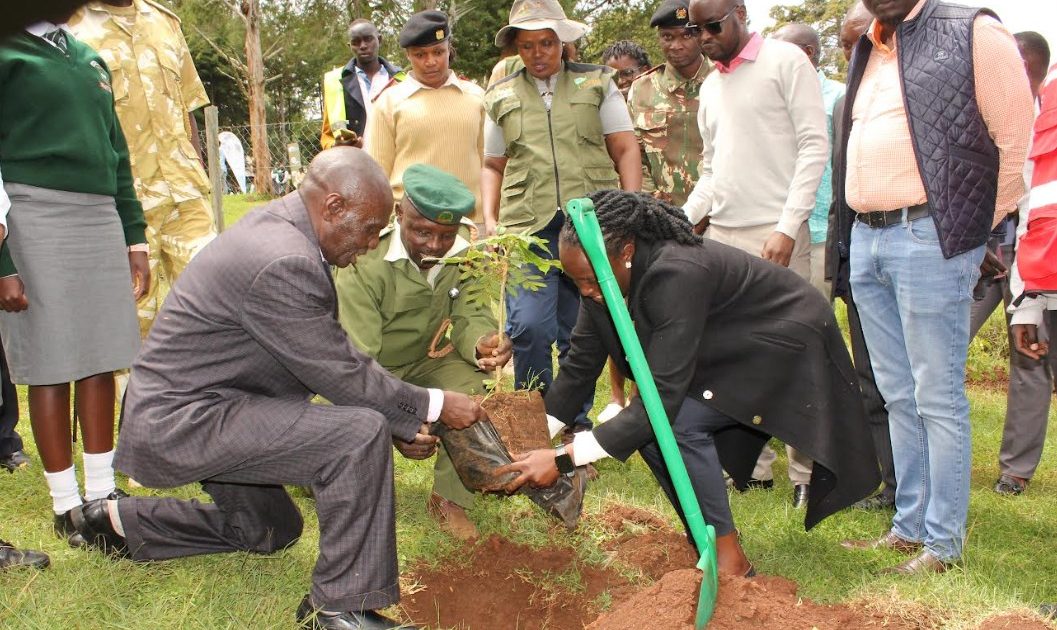
The function was presided over by the County Deputy Governor Prof. Grace Cheserek, with the theme being ending plastic pollution.
Speaking during the same occasion, Sammy Kigen from the North Rift Water Works Development Agency (NRWWDA) expressed fear that water sources were reducing due to human activities.
Noting that they extract water from streams, rivers and dams, Kigen said continued planting of exotic trees like eucalyptus next to water sources was reducing the volume of water as they consume a lot of water and instead advised residents to plant indigenous trees.
“The capacity of indigenous trees to store water is high, as they are able to hold water from one rainy season to another,” he said.
Kigen said sources of water like rivers were drying due to lack of protection of their sources.
He said with reduced water sources, it was becoming quite difficult for them to construct water projects and to continue supplying the same to residents.
“We are also appealing to residents to fence off such conservation areas to prevent them from being destroyed by livestock,” he said.
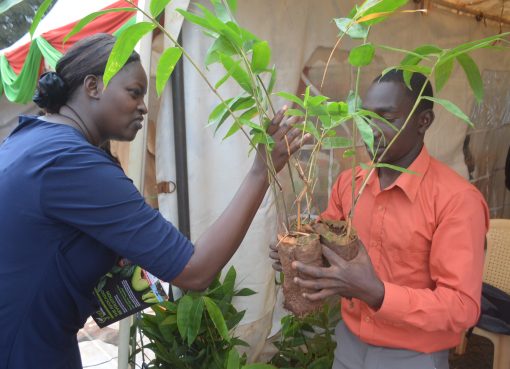
The NEMA Director said as part of their contribution to the planting of 15 billion trees, a total of 7,000 trees were distributed to residents in the area for planting.
By Alice Wanjiru