The County Government of Nakuru has declared a two-year waiver of business licences for all beneficiaries of the National Youth Opportunities Towards Advancement (NYOTA) Project operating within the devolved unit.
Governor Susan Kihika said the waiver aims to reduce the cost of doing business for young entrepreneurs benefiting from the NYOTA programme, which is providing a Sh50,000 business grant to help them start and grow their enterprises.
Ms Kihika reaffirmed her government’s support for the NYOTA Project and pledged additional interventions, including access to Wezesha Fund, an allocation of county government stalls, and opportunities under the Access to Government Procurement Opportunities (AGPO) framework.
In a speech read on her behalf by Deputy County Secretary Newton Mwaura, the governor expressed gratitude for the initiative, describing it as a timely intervention to address youth unemployment.
She explained that the waiver was expected to motivate the new entrepreneurs, adding that the County will collect data and contacts of all beneficiaries to ensure smooth implementation of the initiative.
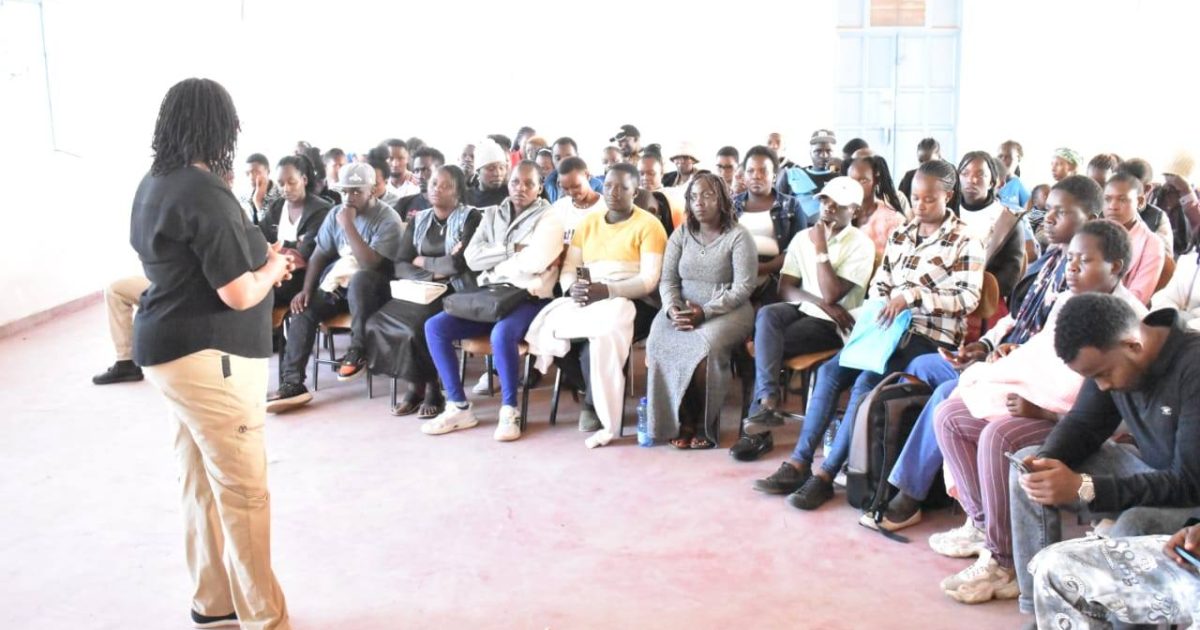
The Deputy County secretary delivered the governor’s speech at London Ward, within Nakuru West Sub-County, during the close of a four-day Business Development Skills (BDS) training for NYOTA beneficiaries. The training was mandatory for eligibility for the grant, which is meant to support youth-led start-ups.
Governor Kihika urged the beneficiaries of NYOTA Project to responsibly use the funds to improve their socio-economic well-being and pledged to continue supporting entrepreneurs through the low-interest Wezesha Fund.
“The waiver will provide our young entrepreneurs with a solid foundation as they embark on their journey to economic empowerment,” the Governor added.
She affirmed that her administration will support the national government’s initiative to support empowerment of young Kenyans through entrepreneurship, education and skills development, through creation of sustainable employment and innovation pathways across the 11 Sub-Counties.
In his remarks the deputy County secretary Mr Mwaura noted that training youth in entrepreneurship before providing funding was essential for building sustainable businesses and fostering an entrepreneurial mindset, as it equips them with the necessary skills in financial literacy, business planning, and risk-taking, thereby increasing their chances of success and reducing business failure rates.
He stated that there was a need to pair young entrepreneurs with experienced professionals to provide advice, share experiences, and help them navigate challenges. “This is a transformative effort by the government to foster grassroots economic growth,” Mwaura elaborated.
He pointed out that the programme aimed to enhance employability, skills recognition, and access to decent work and was a key pillar of the Bottom-Up Economic Transformation Agenda (BETA).
Area NYOTA Coordinator Ms Esther Macharia disclosed that about 4,000 youths from all the 55 wards in the County had been trained on financial literacy, digital business tools, branding and marketing, business registration, opportunity identification, mentorship, leadership, and teamwork.
Ms Macharia stated that the government was keen to fulfil four pillars of youth agenda- entrepreneurship, skills development, labour mobility and digital innovation.
She indicated that the new nationwide Nyota Programme aimed at empowering young people who did not have the opportunity to further their education beyond primary school, as well as Persons Living with Disabilities (PWDs) and women.
Ms Macharia said the initiative targets 820,000 vulnerable youths across all wards in the country, noting that unemployment continues to affect many young people, including refugees.
The programme focuses on youths aged between 18 and 29 years, while for PWDs, the age limit extends up to 35 years. In Nakuru County alone, over 2,000 households are expected to benefit from the government initiative.
Ms Macharia emphasised that the Nyota programme was in line with the government’s Bottom-Up Economic Transformation Agenda (BETA), a key promise made by President William Ruto to uplift vulnerable groups and promote self-reliance among the youth.
She urged young people to seize the opportunity and work towards building strong credit profiles and financial discipline, assuring them that no one will be required to pay any form of bribe to benefit from or trade with the government.
“The government is helping youth create jobs, enhance productivity, and drive local development,” she said. She explained that the NYOTA Project reflects the government’s commitment to empowering young people to become agents of change in their communities.
By offering skills development and business support, the initiative aims to address youth unemployment and promote self-reliance among Kenya’s young population.
“The NYOTA Project gives our youth the tools they need to innovate, build enterprises, and contribute meaningfully to the country. When we empower the youth, we are not just investing in individuals but also strengthening the social and economic fabric of the nation,” she added.
Ms Macharia reiterated that community participation and youth empowerment remain central to Kenya’s social transformation agenda. She called on county governments, civil society organisations, and the private sector to partner in supporting ongoing reforms.
The National Youth Opportunities Towards Advancement (NYOTA) Project, under the Ministry of Youth Affairs, aims to address youth unemployment by equipping participants with the skills, experience, and financial support necessary to start or grow their businesses.
The rolloutof the National Youth Opportunities Towards Advancement (NYOTA) by the State targets to support 100,000 young Kenyans with startup grants with each ward benefiting 7,000 youths, each receiving Sh50,000 to kickstart or expand business.
NYOTA also aims to empower 800,000 vulnerable youths aged 18 to 29 across all 47 counties by establishing 110,000 youth-led enterprises and certifying 20,000 artisans through the Recognition of Prior Learning (RPL) initiative.
The programme also targets 90,000 unskilled youth by enrolling them in Technical Vocational Education Training Institutions (TVETS) where the government will cover their stipends. A further 20,000 to 30,000 youths will undergo Recognition of Prior Learning to certify existing skills, particularly in the affordable housing sector.
The National Government in partnership with the World Bank has raised Sh5 billion for the initiative, with funds set to be disbursed within the next three weeks.
The programme is built on the success of the World Bank-supported Kenya Youth Employment and Opportunities Project (KYEOP), which, over the years, helped thousands of young Kenyans launch businesses, gain skills, and create jobs.
By Esther Mwangi