Kisumu governor Prof. Peter Anyang’ Nyong’o has called on the public service employees to revolutionize and adapt to the changing times in this era of technology and expanded space, where the public is demanding better services, efficiency and accountability.
Prof. Nyong’o said the public sector of the future must be adaptive and forward-looking, pegged on technology and inclusivity.
“First, we must harness technology for sustainable service delivery. Leveraging technology not just to automate old processes but to fundamentally transform governance. In Kisumu, we are digitising services to enhance efficiency and reduce corruption. But the true potential lies in using tech to foster transparency through open data portals and deepen democracy through digital platforms for public participation,” the governor said.
Nyong’o said public service is not merely a career; it is a calling. It is the noble task of translating the aspirations of people into tangible reality and told the youth that their generation has the unique opportunity to redefine this calling and build a public sector that is not only efficient but also just, resilient, and ready for the challenges of tomorrow.
Prof. Nyong’o further said any future government must reflect the face of its people; it cannot be an exclusive and if sustainability is the design, then ethics is the foundation.
To this end, the governor stated that a government can have the best plans and the most advanced technology, but without a bedrock of integrity, it will crumble under the weight of corruption and public mistrust. “Ethical governance is the software that runs the hardware of the state. It’s about building a culture of integrity that goes beyond mere compliance. It is in the small, daily decisions such as the fair awarding of a tender, the respectful service to a citizen, and the rejection of a bribe that can either build or erode morality.
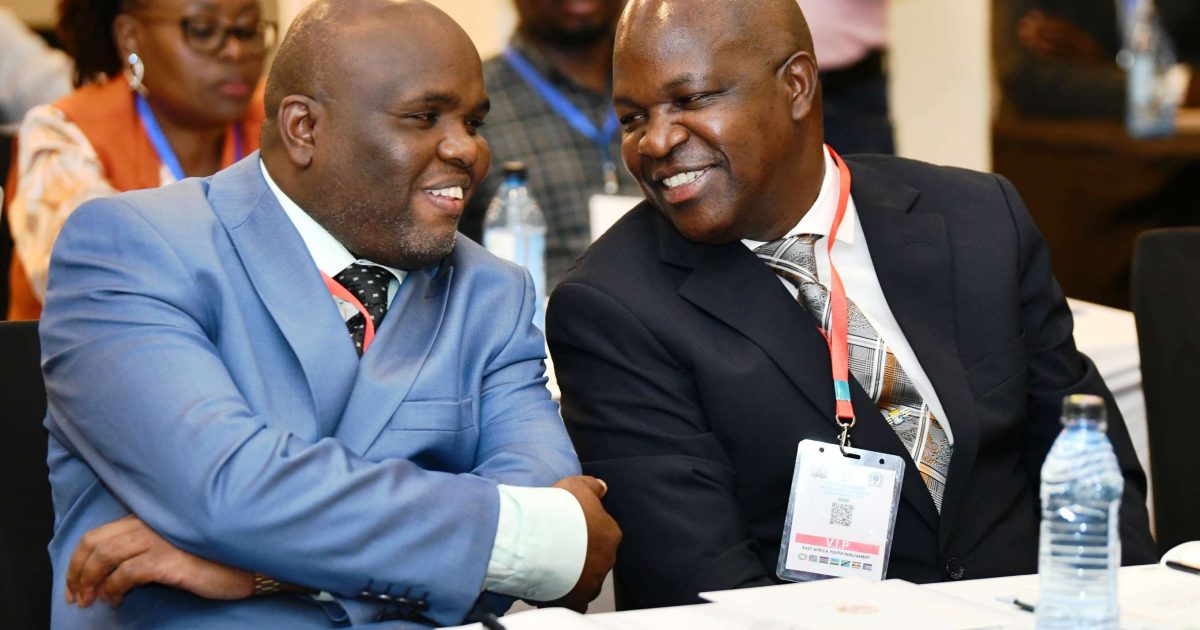
The governor’s remarks were contained in a speech read on his behalf by Deputy Governor Dr Mathew Ochieng` Owili during the 2nd East Africa Youth Parliament (EAYP) high-level seminar on strategic leadership and governance in Kisumu.
The three-day seminar themed Empowering Ethical Leadership and Governance: Building a Sustainable Public Sector Future had participants drawn from youth leaders across East Africa. It sought to lay the groundwork for a public sector that is efficient, just, resilient, and prepared to tackle future challenges.
Prof. Nyong’o also said a future-ready government must promote inclusivity as it focuses on serving its people.
“It cannot be an exclusive club; your task as a leader is to break down barriers and champion inclusivity, ensuring that the voices of youth and women are heard. A sustainable public sector thinks in terms of generations, not election cycles. It means moving beyond short-term fixes to create policies and systems that are economically viable, socially equitable, and environmentally sound,” he observed.
The governor also said it requires leaders to be stewards of our resources, ensuring that the decisions which are made today do not indebt the future. Noting that in the counties, this means embracing long-term planning, like coming up with County Integrated Development Plans (CIDPs), and making tough choices that prioritize lasting impact over fleeting popularity.
Consequently, he called on the youthful leaders to be at the forefront in championing the values of integrity, accountability and transparency.
Prof. Nyong’o further noted that the ongoing efforts to pioneer the Blue Economy, strengthen public participation in budgeting, and invest in digital infrastructure in Kisumu are part of building a resilient and ethical public sector.
“As you deliberate over the next few days, I urge you to be bold, challenge old assumptions, and share your innovations. “You are not just the leaders of tomorrow; your leadership begins today,” he said.
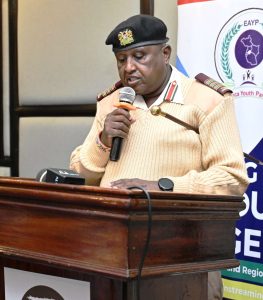
Kisumu County Commissioner Benson Leparmurijo, on his part, called for prioritisation of the issues facing the youth in the country, saying they form the largest section of the population and have very unique needs and challenges.
The President of the East Africa Youth Parliament Jeremiah Mumo Kisangau and his Secretary General, Kevin Mugwe, on their part emphasised the need for transparency and accountability in handling the monies allocated to the youth parliament and any other youth agenda.
They called on the youth to demand transparency, accountability and efficient services from their leaders and the public service.
The East Africa Youth Parliament (EAYP), founded in 2007 and affiliated with the East African Community (EAC), is a regional organisation focused on youth empowerment and fostering meaningful participation of young people in the EAC’s integration and development processes.
EAYP advocates for youth issues, including leadership, governance and entrepreneurship, among others.
EAYP was established following a 2007 youth summit of EAC member states, recognising youth as vital stakeholders in regional development.
It was founded as per the resolutions of the youth summit of people from country members of the East African Community namely Burundi, Kenya, Rwanda, Tanzania and Uganda, who had convened at Arusha in Tanzania from the 2nd to 3rd November, 2007 for the East African Youth Summit organised by the East African Community Youth Organisation.
It is an affiliated organisation of the East African Community (EAC) and its membership is inclusive, drawn from categories for ordinary members (18-35 years), associate membership affiliate memberships for organisations, and honorary and corporate membership.
By Mabel Keya-Shikuku