The government has been asked to reconsider its plans to phase out private children homes noting that the move would cut out support that the orphans and vulnerable children enjoy while in such institutions.
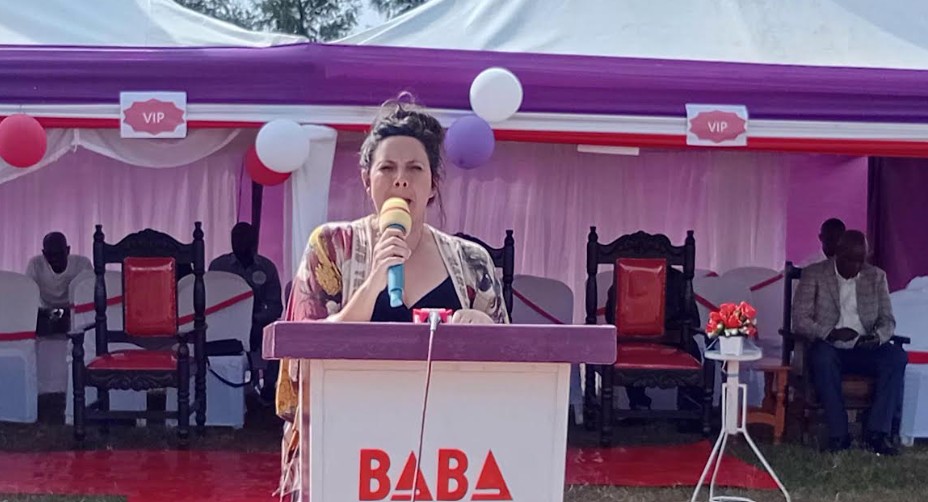
According to the CEO of Baba Nyumbani children’s home, Nicole Scott, the government has not put in place adequate structures and infrastructure that would ensure that children currently living in orphanages continue to get support when private children homes are phased out.
The government, through the national care reform strategy, has plans to phase out private children’s homes in the country by 2032, a move that is likely to affect over 44 thousand children currently living in such institutions.
Scott asked the government to shelve the idea and instead work with the private children’s homes in the country to expand care and support of the orphans and vulnerable children whose numbers are rising each day.
“Our biggest challenge right now is the national care reform, which wants to close institutions like ours yet each and every day I keep getting children in need of support brought here by the community. I keep asking the government where will you send the children because you keep sending them to me?’ “You do not have to look very far; most rural Kenyan homes are struggling with poverty, making more children vulnerable,” she remarked.
Scott disclosed that Baba Nyumbani has been in operation in the country for the last 21 years and is currently supporting over two hundred and fifty vulnerable children by providing food, clothing, shelter and education up to university level.
“We have about 146 alumni who have benefited from our support and some are even working in Canada and the USA. We have managed to integrate them back into their families as empowered individuals,” said Nicole.
The CEO who spoke during a partnership event at the Baba Nyumbani children’s home in Rarieda subcounty, Siaya county, appealed for more partners, including the government, to support the vulnerable children.
She said that everyone in the community must now join hands and support such initiatives because Kenyans should take the mantle of taking care of their own children rather than relying on donor funding, which is not sustainable.
“Our partners abroad need us to establish local collaborations with both the community and the government because it’s no good for foreign money to come in if Kenya is not supporting its children,” said Scott.
The government’s nature care reform strategy, supported by the children’s Act 2022 plans to phase out the private children’s homes to curb cases of child exploitation and trafficking that are on the rise in the country.
By Brian Ondeng