Health stakeholders in Homa Bay County have urged the government to install blood screening equipment in the county referral hospital to streamline blood transfusions.
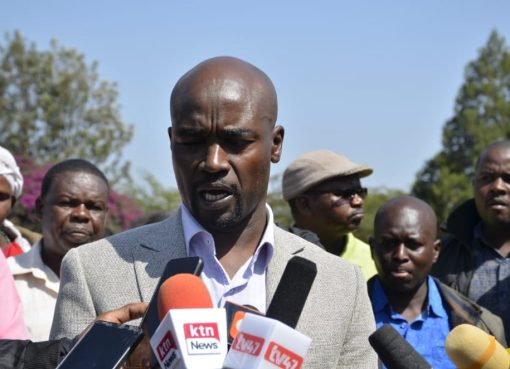
The County Infections Control Coordinator James Okuthe noted that delays in accessing screened blood in health facilities hampered efforts to save lives during emergency cases requiring blood.
Okuthe said there is a need for the blood bank in Homa Bay to be facilitated to undertake screening to reduce time taken while waiting for the results from Kisumu.
He noted that counties in Nyanza and its environs take blood for screening to the Kisumu regional blood bank and wait for between 5-7days to get results.
He noted that a shortage of reagents in Kisumu sometimes causes further delays despite patients requiring blood urgently.
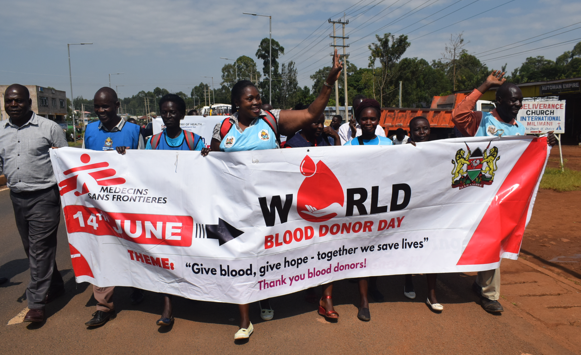
Speaking during the marking of this year’s blood donor day in Oyugis town in Kasipul constituency, Okuthe said conditions like anaemia, haemophilia, and sickle cell disease require prompt availability of blood.
Médecins sans frontières (MSF) official Polycarp Ogweno said Homa Bay needs 11,400 pints of blood annually to serve the growing number of patients. Last year, the county got 7,700 pints through donations.
He said Homa Bay County was among the counties with high maternal deaths, noting that according to a 2014 assessment report, the ratio was 583 deaths per 100,000 live births.
“We have a challenge of timely screening of blood. The time taken as medics wait for screening results cannot allow us to fight haemorrhage during maternal delivery,” he said.
Ogweno urged residents to continue donating blood to enable health facilities in the county to have adequate blood.
He said their organization supports the campaigns for blood donation. Their support was geared towards mitigating the medical conditions that need blood transfusion.
This year’s theme states that giving blood gives hope together to save life.
Ogweno said they were collaborating with Homa Bay county government to support initiatives that will ensure they address the blood shortage which is 45 percent.
“MSF provides training and facilitates community health workers for the collection of blood donations. Let people turn up and donate blood to alleviate the deficit,” Ogweno said.
By Davis Langat