Small scale farmers in the agricultural zones within West Pokot County have shelved their annual practice of planting beans that usually occurs around this period when some clear off their maize fields, citing unprecedented weather conditions unlike other years.
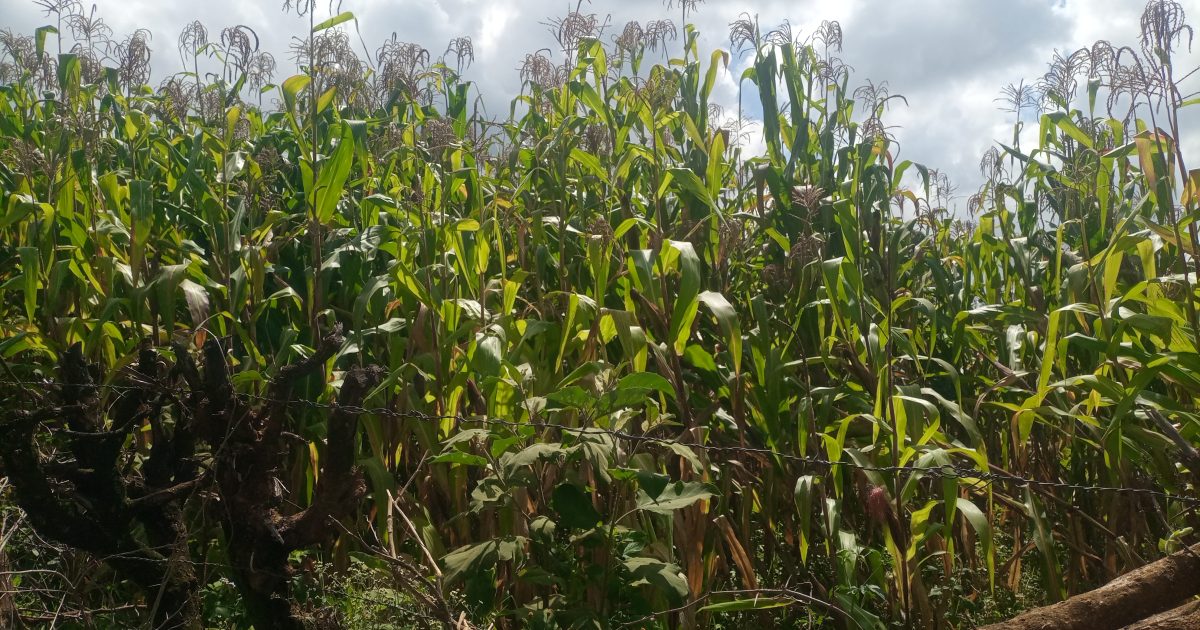
A spot check in some areas revealed that the maize crop is still very succulent and green despite being mature hence the drying off may take long owing to the heavy rains that have continued falling for several months.
The farmers, especially small-scale ones, noted that they are likely to delay harvesting which would in turn affect their venture into beans growing which usually happens in the months of August and early September.
Speaking to KNA the farmers said that this year the rains have unexpectedly prolonged across the months of July and August hence delaying their maize crop from drying up for harvest.
“I am yet to harvest my maize which usually occurs at this time so that I can grow maize for maximum utility of my small piece of land,” said Mercy Juma from Keringet area in West Pokot Sub-County.
She noted that risking to harvest her maize crops would expose it to aflatoxin attack since there is no sufficient sunshine commonly used to dry the maize.
She also mentioned that planting beans which are sometimes intercropped in the green maize farms cannot manifest this time round because there is a lot of humidity and low temperatures which is unfavorable to beans plants.
“Planting beans at this time would mean having to spend extraordinary amounts of money and purchasing Chemicals. The beans may also instead of experiencing normal germination they would stunt or die off instead,” explained Mercy.
Beans do well under moderate rainfall conditions with sufficient sunshine according to experts, but currently the soils are waterlogged.
Farmers would reap good returns during the second beans planting season since there is no intercropping with maize that is usually grown in one season during the long March-April and May rains.
The farmers have urged the government to consider investing enough in driers to save this year’s maize crop harvests if the kind of rains persist.
By Richard Muhambe