The Independent Electoral and Boundaries Commission (IEBC) has intensified its voter education and stakeholder engagement efforts in Kirinyaga County as part of preparations for the 2027 General Election.
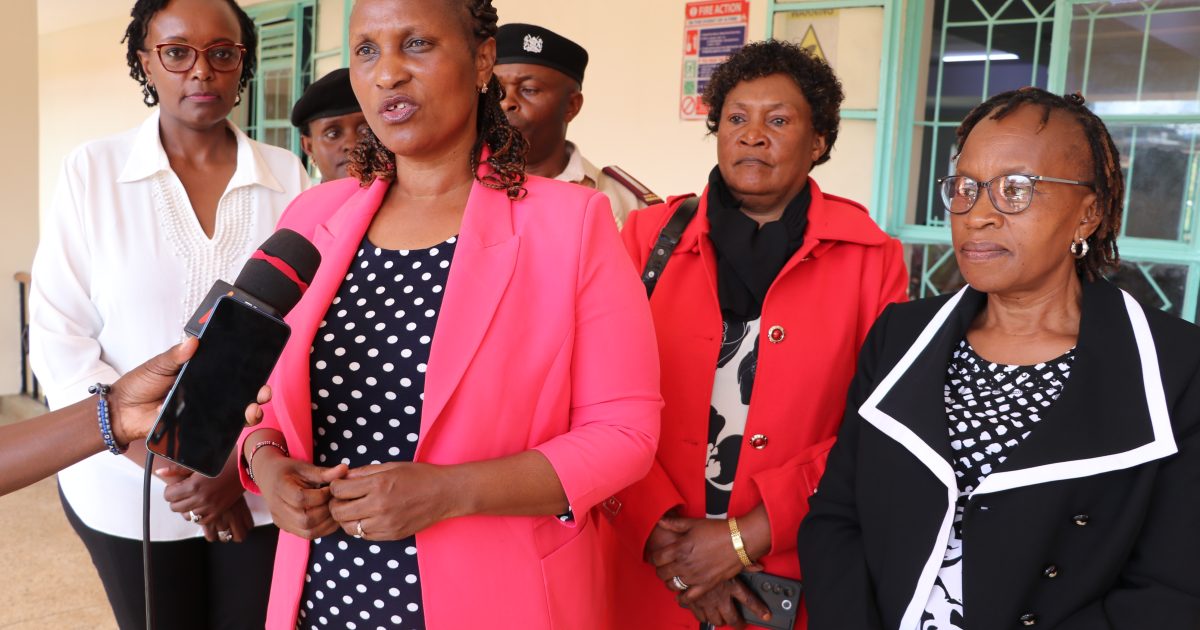
Speaking during a stakeholders’ meeting held in Kerugoya, Dr Ann Nderitu, an IEBC Commissioner responsible for voter registration and electoral operations, said the Commission is keen on ensuring that elections are understood as a continuous process that requires the involvement of all sectors of society.
The meeting brought together key stakeholders including security teams, youth groups, civil society organisations, women leaders, and representatives from religious institutions.
Dr Nderitu said the forum was aimed at equipping participants with knowledge to help enlighten Kenyans on election preparedness, especially during the ongoing mass voter registration exercise set to conclude on April 28.
She noted that stakeholders had raised several concerns affecting the electoral process, adding that the Commission had addressed some of the issues while others would require continued engagement.
“We have listened to the challenges raised by stakeholders and responded to some of the concerns. Where further action is needed, the Commission will continue working closely with all stakeholders before and even after the 2027 elections,” she said.
Dr Nderitu added that similar stakeholder meetings will be conducted across all counties in Kenya to ensure inclusivity and transparency in the electoral process.
On voter registration, she said the exercise in Kirinyaga County has been progressing smoothly without major challenges. The county is targeting to register 40,000 new voters, but as of April 9, slightly over 15,000 had been registered.
“This number is still low compared to our target, and we are calling upon all eligible but unregistered citizens to turn out in large numbers and register,” she urged.
Addressing concerns about individuals who were not captured during previous registration drives, Dr Nderitu explained that following the challenges experienced during the 2007 Kenyan general election, the country adopted a new digital voter registration system ahead of the 2013 elections.
She said the mass registration conducted in 2012 formed the current voter register, meaning those who did not register at the time remain outside the system and are therefore unable to vote.
“While their numbers are not large, we are encouraging them to take advantage of the ongoing exercise and ensure they are registered,” she said.
The Commissioner further noted that the IEBC is working on mechanisms to reach vulnerable groups including the elderly, persons with disabilities, and the sick who may be unable to access registration centres.
“We will collaborate with stakeholders to make arrangements for home visits to ensure that all eligible voters, regardless of their condition, are registered,” she said.
Dr Nderitu also called for unity and collective responsibility among Kenyans, assuring the public that the 2027 elections will be more efficient compared to the 2022 Kenyan general election due to improvements in technology and systems within the Commission.
“Elections begin and end at the polling station, and we are committed to ensuring the process is credible and transparent,” she emphasised.
Kirinyaga IEBC County Coordinator Jane Gitonga said the meeting was aimed at building confidence among stakeholders regarding the integrity of the voter register.
“We want to assure all stakeholders that the IEBC is committed to delivering a credible electoral process right from voter registration to the general election. This journey belongs to all Kenyans, for our counties, our country, and future generations,” she said.
Also speaking at the event, Kirinyaga Deputy County Commissioner Josephine Mwengi raised concern over the high number of uncollected national identity cards in the county.
She revealed that more than 10,000 IDs remain uncollected at National Registration Bureau (NRB) and Huduma Centres across Kirinyaga, urging the National Government Administrative Officers (NGAO) to intensify efforts in mobilizing residents to collect the documents.
“Those who applied for IDs must collect them to enable them register as voters and participate in the electoral process,” she said.
Stakeholders present at the forum called for the establishment of more polling stations across the county, noting that the additional 15 stations recently introduced are insufficient, particularly in Mwea and Gichugu constituencies which have large populations and expansive geographical coverage.
They argued that increasing polling stations would enhance accessibility and improve voter turnout in future elections.
By David Wandeto