The Independent Electoral and Boundaries Commission (IEBC) has raised alarm over a Sh22.9 billion budget deficit, warning that the shortfall could undermine preparations for the 2027 polls and disrupt key electoral activities.
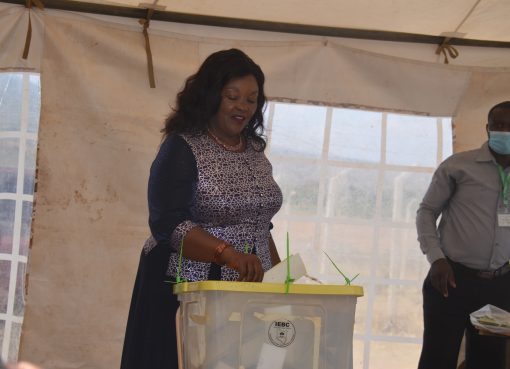
The Commission says the funding gap threatens smooth continuity of the ongoing mass voter registration exercise scheduled to begin in March this year, as well as by-elections and broader election preparedness ahead of next year’s polls.
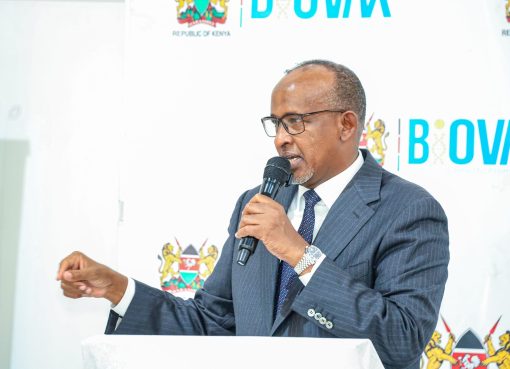
Addressing Members of Parliament during the 2026 Legislative Retreat in Naivasha, IEBC Chairperson Erastus Ethekon said that the electoral body requires Sh63 billion for the current election cycle to cover voter registration, voter education, and election logistics to ensure credibility of the electoral process.
According to Ethekon IEBC has been allocated less funding than its approved budgets noting that in the last financial year, the commission required Sh14 billion but received only Sh4.7 billion.
He said the deficit of Sh22.9 billion could affect not only the next general election but also the planned mass voter registration and upcoming by-elections.
The commissioner called on Parliament to urgently intervene, warning that inadequate funding could compromise election preparedness and public confidence in the electoral process.
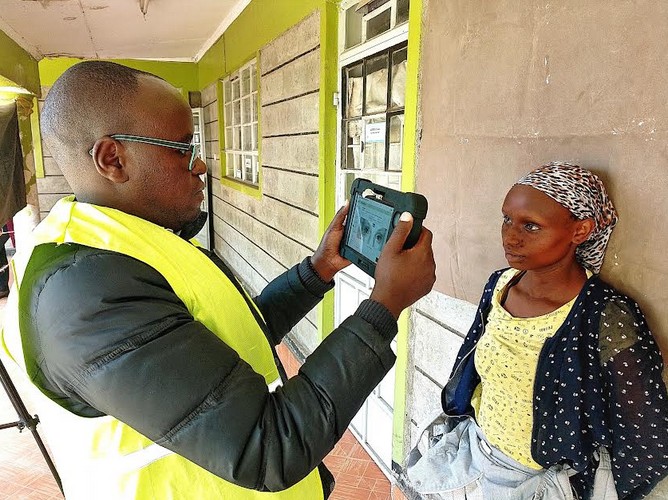
Ethekon said the forthcoming mass voter registration would be fully decentralized, reaching the ward level and all 57 Huduma Centres across the country.
He added that IEBC plans to establish 27,000 registration centers nationwide and is also engaging Kenyans in the diaspora to ensure they participate in the exercise.
On constituency boundary review and delimitation, Ethekon noted that the exercise had been postponed due to legal and procedural constraints.
He said the review, initially scheduled for completion by March 2024, was overtaken by events, including a pending court case related to population and housing data, which are essential for delimitation.
Kenya’s Constitution requires regular boundary reviews to ensure fair representation based on population changes, but legal disputes and delayed census data have repeatedly stalled the process.
On his part, Registrar of Political Parties Mr John Cox called out the persistent underfunding of political parties, noting that the funding gap risks weakening democratic institutions.
He disclosed that in the 2023/24 Financial Year, Treasury released Sh884 million against an expected Sh5.9 billion, followed by one billion shillings in 2024/25 against a projected Sh6.5 billion.
He noted that in the just ended 2025/26 Financial Year, only Sh1.9 billion was set aside compared to the required Sh7.6 billion that was requested.
The Registrar said the continued underfunding was hurting their mandated operations and urged Parliament to intervene.
Opening the three-day retreat, National Assembly Speaker Moses Wetang’ula warned that political uncertainty ahead of the elections could see more than 56 per cent of MPs fail to return to Parliament.
He urged legislators to invest in pension schemes, describing the upcoming session as politically charged and demanding.
“There is a real probability that over half of the members may not return, and I urge members to prepare for life after Parliament,” Wetang’ula said.
The Speaker also criticized what he termed overzealous oversight, cautioning parliamentary committees against issuing multiple summons to Cabinet Secretaries and Principal Secretaries simultaneously, which he said created unnecessary tension.
Deputy Minority leader Robert Mbui called for heightened parliamentary oversight, particularly on the planned privatization of public assets, including the Kenya Pipeline Company (KPC) and Safaricom.
Mbui warned that the process must be transparent and accountable amid rising concerns over corruption and governance.
He also raised alarm over challenges facing the Grade 10 transition, citing lack of school fees, teacher shortages and inadequate learning materials.
Leader of Majority Kimani Ichung’wa, however, defended the privatisation plans, saying Parliament would ensure public participation and transparency.
He insisted that proceeds would fund development projects rather than debt repayment or recurrent expenditure.
By Erastus Gichohi