The Independent Electoral and Boundaries Commission (IEBC) is targeting to register a total of 26,450 new voters in Tharaka Nithi County in the ongoing Continuous Voters Registration (CVR).
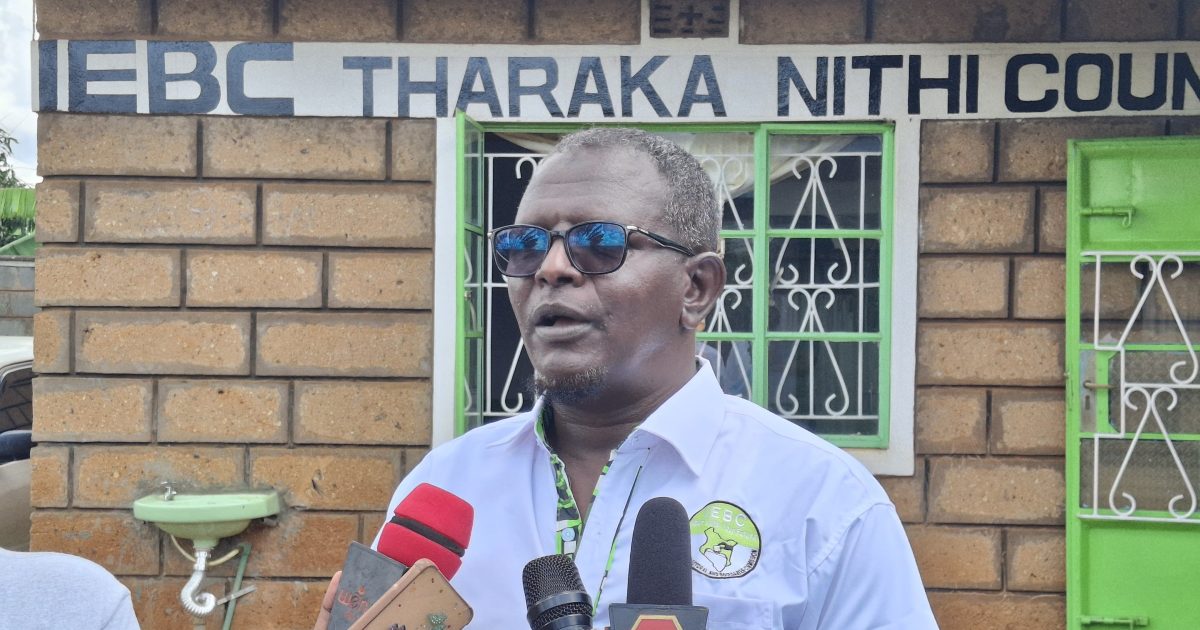
Speaking to Kenya News Agency, the County Elections Coordinator Mr. Mohammed Raka said so far, 3,185 new voters have been registered adding that they will put in more efforts to meet the target by the end of the 30 days registration drive.
He said a total of 52 voter registration kits have been distributed across the County with Maara Sub- County receiving 17, Chuka/Igambang’ombe 18, and Tharaka Sub- County 17.
Two additional kits, he added, have been stationed at Chuka University to facilitate student registration.
“We will do everything within our ability to ensure wider inclusivity and improved access for all eligible citizens across the county. What is different this time is that we are including everyone, and we have deployed registration kits across all areas. Each constituency and ward has access to registration services,” said Mr. Raka.
He added that registration services have been further decentralized to the ward and service centre levels to bring services closer to residents, noting that registration kits have been deployed to institutions of higher learning within the county to target eligible young voters.
He urged residents who have not yet registered to take advantage of the exercise to get a chance to exercise their constitutional right.
The officer also commended Chuka University students for turning out in large numbers, reporting that 615 students were registered within one week at the institution.
“We encourage the same spirit so that more young people can come forward and register,” he said.
Raka emphasized that the success of the voter registration exercise does not depend solely on the electoral body but also on effective public awareness and information sharing.
To enhance outreach, he said voter mobilisers will be deployed down to the village level to encourage eligible residents to register and participate in the electoral process.
By Dickson Mwiti and Christine Ngitori