The Independent Electoral and Boundaries Commission (IEBC) has reaffirmed its commitment to ensuring that persons with disabilities (PWDs) and other special interest groups are fully included and prioritized in all electoral processes across the country.
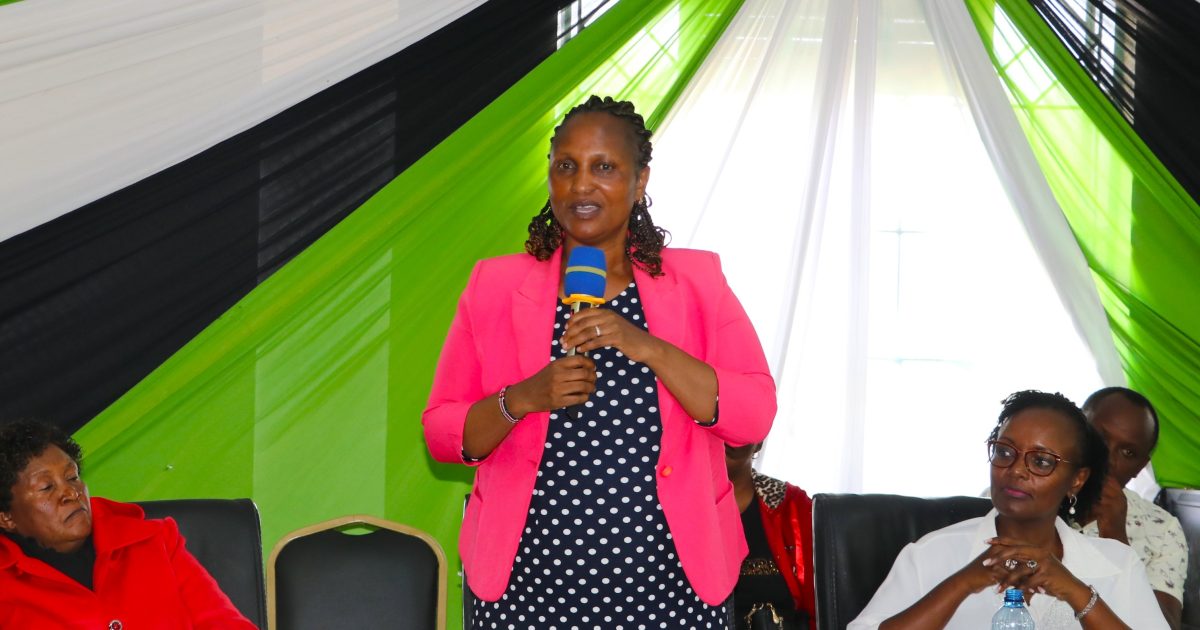
This assurance came during an election stakeholders’ forum held in Kerugoya, which brought together key electoral officials and stakeholders.
Ann Nderitu, IEBC Commissioner, Jane Gitonga, Kirinyaga County election coordinator, as well as constituency returning officers from all four constituencies across Kirinyaga County attended the meeting.
Speaking at the forum, Commissioner Nderitu underscored the commission’s obligation to uphold inclusivity by ensuring that no eligible voter is left behind, particularly those living with disabilities.
She stressed that PWDs must be accorded the necessary support and facilitation to enable them to participate fully in elections, both as voters and candidates.
Nderitu noted that disability is a condition that can affect anyone at any stage in life, and therefore society must adopt a supportive and inclusive approach. She pointed out that experiences have highlighted gaps that the commission is now actively working to address.
“We have had such incidences before, Let us all support persons with disabilities to ensure they exercise their democratic rights,” she said.
To enhance preparedness, the commissioner revealed that the IEBC is taking deliberate steps to ensure that all persons with disabilities are clearly identified in the voters’ register at every polling station. This includes capturing accurate data on their numbers and specific needs, enabling election officials to make adequate arrangements ahead of polling day.
She explained that presiding officers and other election officials are undergoing training to equip them with the skills and knowledge required to assist voters with different types of disabilities. This, she said, will ensure that every voter is served efficiently and with dignity, regardless of their condition.
“They will be served accordingly and must be able to vote. Our officers are well-trained and ready to use appropriate methods to assist each voter depending on their needs,” Nderitu stated.
While acknowledging that some polling stations may not yet fully meet accessibility standards, she assured stakeholders that measures have been put in place to ensure that all voters are still facilitated. She emphasized that PWDs will receive priority services at polling stations to minimize inconvenience and barriers to participation.
In addition to persons with disabilities, Nderitu said the commission will extend similar priority to other vulnerable groups, including nursing mothers, expectant women, and the elderly. These groups will be given special consideration to ensure a smooth and dignified voting experience.
The commissioner further called on persons with disabilities and their representatives to actively engage with registration officers and other electoral stakeholders. She encouraged them to collaborate in developing practical strategies to improve voter registration, civic education, and outreach efforts targeting special groups, particularly those in remote or hard-to-reach areas.
Nderitu emphasized that inclusivity is a shared responsibility and urged all stakeholders to play their part in eliminating barriers and discrimination within the electoral process.
“We should not stigmatize anybody because of their disability. Instead, we must work together to create an environment where everyone feels valued and empowered to participate,” she added.
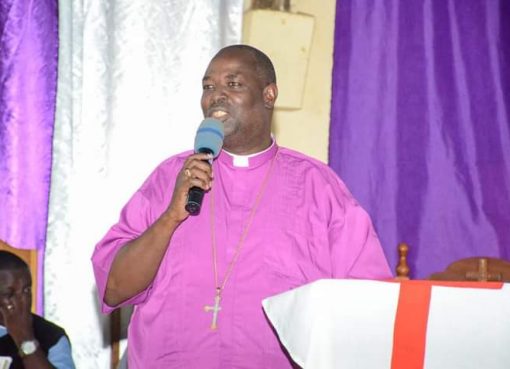
The forum provided a platform for stakeholders to discuss challenges, share experiences, and propose solutions aimed at strengthening electoral inclusivity in the county. National Government Administration Officers (NGAO), clergy, youth leaders and the media also attended the meeting.
By Mutai Kipng’etich