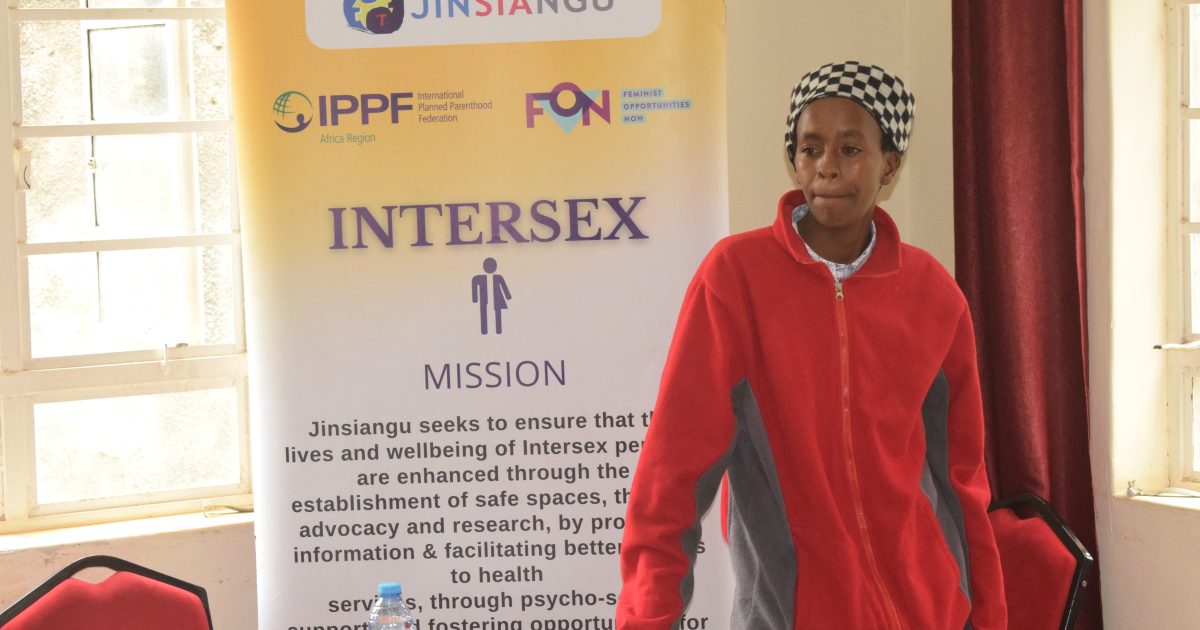
Jinsiangu Kenya, an organisation that advocates for the rights of intersex persons in Busia County, has embarked on sensitisation of administration officers in national government and county government to mitigate the stigma and debunk misconceptions associated with intersex persons.
Busia has about 28 intersex persons out of a total of 1,524 intersex persons countrywide based on the last census.
The local administrators led by Teso North Sub- County administrator, Silas Juma and Senior ACC, Patrick Powon Rotino, noted that they will be guided by children’s policies and laws on intersex persons in dealing with the category without making them feel discriminated even as they called on the community to embrace intersex children and give them equal opportunities.
“We will continue engaging the community to ensure no child is hidden or denied opportunities in life because of their gender identity. This is the first step in ending discrimination and stigmatisation,” Juma asserted.
He acknowledged existence of misconceptions and myths which are evident in the society with most cultures assigning baffling definitions on how they treat intersex people.
“There is need for aggressive sensitisation on intersex to debunk the misconceptions, the society lacks information and that is why administrators need to go an extra mile to champion the rights of intersex persons,” Juma added.
The sentiments were echoed by Teso North Children Officer Patrick Mukolwe and intersex activist Irene Nyambura, who urged the society to bring out intersex persons and not to force them to the gender they don’t belong to, noting that the law has clearly stipulated the handling of intersex persons.
“Intersex persons in Kenya face discrimination and stigma despite legal recognition under the Constitution and inclusion in the 2019 Census, which identified 1,524 individuals. They experience challenges in accessing healthcare, employment, and social acceptance, and are often forced to choose male or female identities on official documents,” said Mukolwe.
“The law clearly states that intersex persons deserve respect and equal access to education, healthcare, and protection. We want parents and teachers to know that these children are entitled to the same rights as any other Kenyan child,” he added.
Intersex activist, Irene Nyambura, urged parents and guardians to stop concealing intersex children or forcing them into a gender they do not identify with.
“The general public should understand that intersex people are not a mistake but part of human diversity. They should be cherished and loved because that is the way to accord them dignity and a chance to thrive in the society,” emphasised Nyambura.
The administrators agreed to extend the sensitisation efforts to schools and community groups to ensure long-term awareness.
Another intersex activist, Frankie Robert Kibagendi, noted that the initiative aims at securing the place of intersex identity as the third gender without plunging it into the controversy of contemporary debates.
Kibagendi urged Kenyans not to link intersex with LGBTQ noting that they are not even associated in any way adding that public sensitisation aims to address the stigma associated with intersex in the society and workplace.
By Absalom Namwalo